Energy Windows and Doors Benefits for Global Buyers?
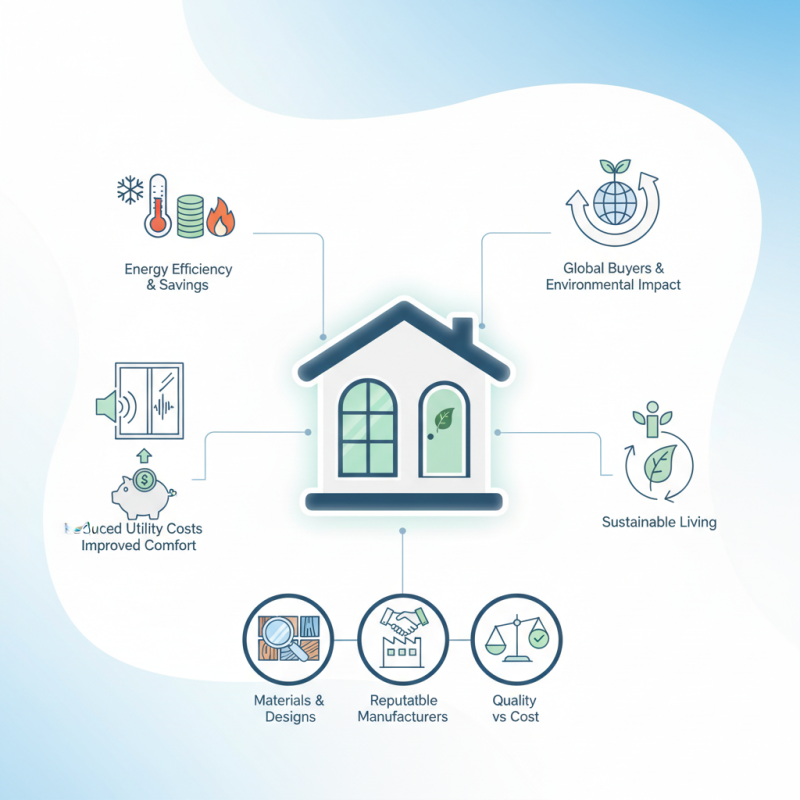
Energy windows and doors are becoming essential for modern buildings. These products offer numerous benefits to global buyers. They enhance energy efficiency and provide better insulation. Homeowners are increasingly aware of their environmental impact and utility costs.
Investing in energy windows and doors can lead to significant savings. Improved insulation reduces heating and cooling costs. Additionally, these products contribute to a more comfortable living environment. Buyers also appreciate the reduction in noise pollution, which enhances quality of life.
However, the choice of the right energy windows and doors can be overwhelming. With various materials and designs available, buyers must consider both aesthetics and functionality. It’s important to research reputable manufacturers. Understanding product specifications is key to making informed decisions. Balancing quality and cost is a challenge many face. Yet, embracing energy efficiency is a step toward sustainable living.
Energy Windows: Understanding Their Role in Energy Efficiency
Energy-efficient windows and doors play a vital role in reducing energy consumption. These products help maintain indoor temperatures and minimize heating and cooling costs. By creating a better seal, they prevent drafts and heat loss. Energy windows are designed with advanced materials that reflect heat back into the room during winters and block it during summers.
Tips: Check for Energy Star ratings when considering options. This label ensures that the product meets efficiency standards.
Selecting the right windows can greatly improve your home's comfort. Quality frames and high-performance glass reduce energy usage. However, many buyers overlook proper installation. A poorly installed window may still lose energy. Regular maintenance is also crucial. Inspections for leaks or damage can enhance efficiency.
Tips: Regularly inspect caulking and seals for wear. Simple repairs can improve efficiency significantly. Remember, even small gaps can lead to energy loss.
Energy Windows and Doors Benefits for Global Buyers
The Economic Impact of Energy-Efficient Doors on Global Markets
Energy-efficient doors significantly impact global markets. According to the International Energy Agency, energy-efficient buildings can reduce emissions by up to 30%. This shift contributes to cost savings on energy bills for homeowners. In fact, consumers can expect to save approximately $100 annually with energy-efficient doors.
The market for energy-efficient building products is projected to grow. Reports by Research and Markets indicate a compound annual growth rate of 7% from 2023 to 2030. Increased awareness of climate change drives this demand. Homeowners and businesses often seek to lower their carbon footprint. However, the initial installation cost can deter some buyers. It’s crucial for consumers to weigh long-term savings against upfront investments.
Economic factors play a crucial role in the decision-making process. The growing trend towards sustainability influences purchasing patterns. Yet, many buyers remain uncertain about efficiency ratings. Understanding the benefits of energy-efficient doors requires research. With the right information, buyers can make informed choices that align with their environmental goals.
Sustainability Metrics: Life Cycle Analysis of Energy Windows and Doors
Energy windows and doors play a crucial role in sustainability metrics. A life cycle analysis (LCA) evaluates the environmental impact of these products from production to disposal. By examining each stage, buyers can better understand their choices. This analysis helps identify ways to reduce energy consumption and carbon emissions.
During production, energy windows and doors must consider material sourcing. Sustainable materials should be prioritized. However, the manufacturing process can still create waste. This raises questions about how efficiently resources are utilized. A shift towards more eco-friendly practices can lead to better outcomes.
When assessing energy efficiency, performance matters. These windows and doors can lead to lower energy bills, benefiting users financially. Yet, the initial investment can be significant. Buyers must weigh immediate costs against long-term savings. This process highlights the complexity of making sustainable choices in the global market. It is essential to remember that every decision impacts our environment.
Technological Innovations Driving the Energy Efficiency of Windows and Doors
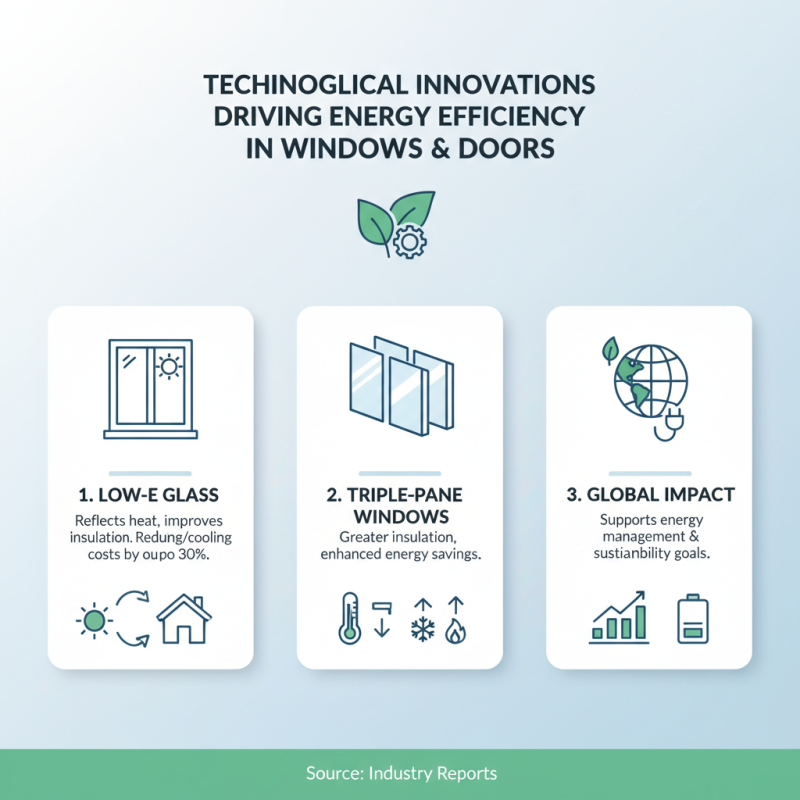
Technological innovations in windows and doors play a significant role in enhancing energy efficiency. Many modern materials, such as Low-E glass, reflect heat and improve insulation. This can reduce heating and cooling costs by up to 30%, according to industry reports. Additionally, triple-pane windows can provide even greater energy savings, assisting in energy management and sustainability goals for global buyers.
Smart windows are another innovative solution. They can adapt to environmental changes, adjusting their tint based on sunlight. This is an exciting development that not only enhances comfort but also contributes to energy conservation. Research indicates that using smart glass can reduce energy consumption by up to 20%. These technologies create an opportunity for buyers to invest in energy-efficient solutions while also reducing their carbon footprint.
Despite these advances, some challenges remain. The initial cost of installation can be high. Not all consumers are aware of the long-term savings each innovation offers. Moreover, the maintenance of such technologies requires constant attention. Ensuring they perform optimally is an ongoing process that could deter some potential buyers. Awareness and education will be crucial for buyers to make informed decisions regarding these energy-efficient products.
Comparative Assessment: Energy Performance Ratings for Global Buyers
Energy performance ratings are vital for global buyers of windows and doors. These ratings help consumers make informed decisions. A notable study found that energy-efficient windows can reduce energy consumption by 30% to 50%. Such figures underline the significance of selecting the right products.
When assessing energy performance, buyers must consider various factors. U-factor, solar heat gain coefficient, and visible transmittance are crucial metrics. According to the Department of Energy, products with a lower U-factor are more insulated. This translates to lower heating and cooling costs. Moreover, windows with a favorable solar heat gain coefficient can gain passive solar energy, enhancing energy efficiency.
However, not all products meet expectations. Some manufacturers may exaggerate performance ratings. Buyers need to verify claims through independent testing or certification programs. Quality varies widely, and peer-reviewed research suggests that misrepresentation can occur frequently. It’s essential for buyers to be diligent in their assessment to ensure long-term savings and sustainability.