10 Best Energy Efficient Sliding Doors for Modern Homes?
In modern home design, energy efficiency is paramount. Many homeowners seek energy efficient solutions to reduce utility costs. According to the U.S. Department of Energy, windows and doors account for 30% of heating and cooling energy use. This statistic emphasizes the importance of choosing the right products, like energy efficient sliding doors.
These doors enhance natural light while minimizing energy loss. Their advanced glazing and insulation technology can significantly improve a home's thermal performance. A study by Energy Star revealed that energy efficient sliding doors can save up to $500 annually on energy bills. However, selecting the right doors involves considering factors beyond just energy performance.
Not all sliding doors meet energy efficiency standards. Some may have poor construction or inadequate seals. It's essential to not only look at R-values but also the overall design and material quality to ensure lasting performance. Balancing style and functionality can be a challenge in finding the best options for modern homes.
Top Features to Look for in Energy Efficient Sliding Doors
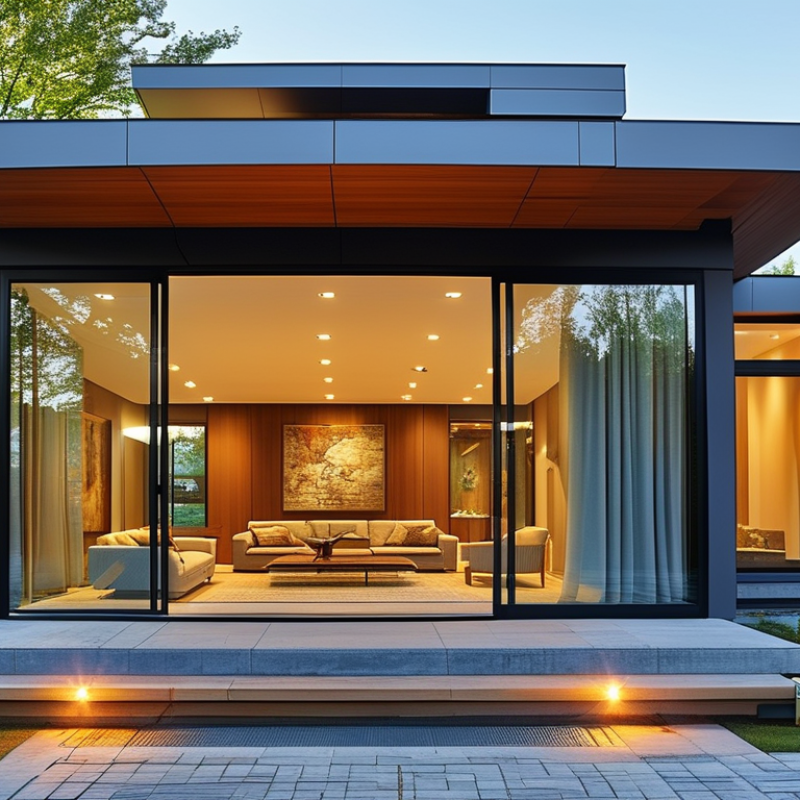
When choosing energy-efficient sliding doors, focus on the materials. Look for options made from fiberglass or vinyl. These materials offer excellent insulation properties. A well-insulated door can prevent heat loss, keeping your home comfortable. Many sliding doors also feature dual or triple glazing. This helps reduce heat transfer and noise pollution significantly.
Consider the frame design as well. Multi-chamber frames provide additional thermal efficiency. They trap air, acting as a barrier to outside temperatures. Weather stripping is another feature to look for. Quality weather stripping minimizes drafts and moisture entry. This can enhance overall energy savings.
Pay attention to the door's energy ratings. Look for products that have been certified for energy efficiency. High Solar Heat Gain Coefficient (SHGC) values are crucial in warmer climates. They indicate how well the door reflects solar energy. Additionally, low U-factors indicate better insulation. Balancing these features with aesthetics can be challenging. Energy efficiency often comes with style sacrifices. Consider what aligns best with your home’s design and your personal preferences.
Comparison of Materials: Vinyl, Wood, and Fiberglass for Efficiency
When considering energy-efficient sliding doors, the material is a crucial factor. Vinyl is often praised for its low maintenance. It has excellent insulation properties, which helps keep homes warm in winter. However, it may not offer the same aesthetic appeal as other materials.
Wood doors provide a classic, timeless look. They can be highly energy-efficient when properly treated. Still, wood requires regular maintenance to prevent warping. Homeowners often overlook this aspect. It’s essential to balance aesthetics and practicality with wooden options.
Fiberglass stands out for its strength and durability. It won’t warp or crack like wood. This material provides good thermal performance and is often energy efficient. However, the initial cost can be higher. Budget considerations may lead some homeowners to reconsider. Each material has its pros and cons, and the choice often depends on personal priorities.
Design Options: How Style Impacts Energy Efficiency in Sliding Doors
When it comes to energy-efficient sliding doors, design options play a crucial role in their effectiveness. The style of a door can significantly impact insulation and energy savings. According to the U.S. Department of Energy, poorly designed sliding doors can decrease a home's energy efficiency by up to 30%. Therefore, selecting the right materials and styles is essential.
For instance, double-glazed glass panels are more effective than single panes. They reduce heat transfer, keeping interiors comfortable year-round. Low-emissivity (Low-E) coatings can further enhance this efficiency. However, not all sliding doors come with these features. Homeowners should scrutinize product specifications before making a decision.
Aesthetics can also influence energy performance. While slim frames may seem modern, they often compromise insulation. On the flip side, bulkier frames can provide better thermal performance but may not suit minimalist designs. Striking a balance between style and energy efficiency is vital. It's important for homeowners to consider how design choices impact the overall energy consumption of their homes.
Review of the Top 10 Energy Efficient Sliding Doors Available Today
In today’s eco-conscious world, energy-efficient sliding doors have become essential for modern homes. These doors not only enhance aesthetic appeal but also offer significant energy savings. Many options exist, featuring advanced materials and technologies to minimize energy loss.
When choosing sliding doors, pay attention to insulation. Low-emissivity (Low-E) glass blocks harmful UV rays while reflecting heat. Double glazing can further enhance energy efficiency. Consider the frame materials as well. Fiberglass and vinyl provide excellent insulation compared to traditional wood.
Here are some tips: Check for the Energy Star label on sliding doors. This indicates compliance with energy efficiency standards. Ensure proper installation, as gaps can lead to energy loss. Regular maintenance, though often overlooked, is crucial. Clean tracks periodically to ensure smooth operation and increase the lifespan of the door.
Ultimately, selecting energy-efficient sliding doors requires careful consideration. Homeowners should reflect on their specific needs and environments. A well-chosen sliding door can elevate comfort while reducing energy costs. Balancing aesthetics and functionality is key in making an informed choice.
10 Best Energy Efficient Sliding Doors for Modern Homes
| Model |
U-Value |
Energy Rating |
Material |
Price Range |
| Model A |
0.29 |
A+ |
Vinyl |
$800 - $1200 |
| Model B |
0.25 |
A++ |
Aluminum |
$1000 - $1500 |
| Model C |
0.30 |
A+ |
Fiberglass |
$900 - $1300 |
| Model D |
0.28 |
A++ |
Wood |
$1100 - $1600 |
| Model E |
0.24 |
A+++ |
Composite |
$1200 - $1700 |
| Model F |
0.26 |
A+ |
Vinyl |
$850 - $1250 |
| Model G |
0.22 |
A++ |
Aluminum |
$950 - $1400 |
| Model H |
0.27 |
A+ |
Fiberglass |
$1150 - $1550 |
| Model I |
0.23 |
A+++ |
Wood |
$1300 - $1800 |
| Model J |
0.20 |
A++ |
Composite |
$1400 - $2000 |
Installation Tips for Maximizing Energy Efficiency in Your Home
When upgrading your home, energy-efficient sliding doors are a great choice. Choosing the right door is just the beginning; proper installation enhances energy efficiency significantly. Always measure the door frame accurately. Inaccurate measurements lead to gaps, which cause drafts. Sealing these gaps during installation is essential for maintaining indoor temperatures.
Ensure you use high-quality weatherstripping. Poor quality materials can wear out quickly and create leaks. Spend time selecting the right materials; it pays off in the long run. Consider hiring a professional installer if you are unsure about the process. Their experience can prevent common mistakes, such as poor alignment and inadequate sealing.
Another key aspect is insulation. Look for sliding doors that come with insulated frames and double or triple glazing. These features help retain heat during winter and keep your home cool in summer. Aim for a U-factor of 0.30 or lower for maximum efficiency. Remember, if not installed properly, even the best doors won’t perform as expected. Keeping these tips in mind will help you maximize the energy efficiency of your home.
Energy Efficiency Ratings of Sliding Doors