China Best Remote Controlled Animatronics Supplier?
China’s visitor economy gives attractions a strong reason to invest in memorable, interactive experiences. The Ministry of Culture and Tourism reported 5.615 billion domestic trips in China in 2024. That figure signals a vast audience, but it does not guarantee demand for every animatronic installation. Visitors notice details: a dinosaur’s uneven breathing motion, a servo’s sudden whine, or a character that stops responding during a busy afternoon.
The TEA/AECOM 2023 Theme Index and Museum Index reported 244.6 million visits across the world’s top 25 theme parks, up 23.1% from 2022. This recovery underlines the value of reliable attractions. It also raises practical questions for buyers seeking a China Best Remote Controlled Animatronics Supplier. A convincing model must do more than look lifelike under showroom lights. Buyers should examine movement range, control-system compatibility, material durability, maintenance access, and documented testing. Ask for operating videos, component specifications, and references for comparable projects. Small details matter.
Remote Controlled Animatronics can serve theme parks, museums, exhibitions, and themed retail spaces, but supplier quality varies. A polished sample is not proof of dependable long-term operation. Request clear warranty terms and realistic delivery schedules, then assess how the supplier handles repairs and spare parts. No checklist removes every risk. The best choice depends on the installation, budget, and expected operating hours. This guide explores the questions that help buyers compare Chinese suppliers with care, rather than relying on attractive photos or broad promises.
What Are Remote-Controlled Animatronics?
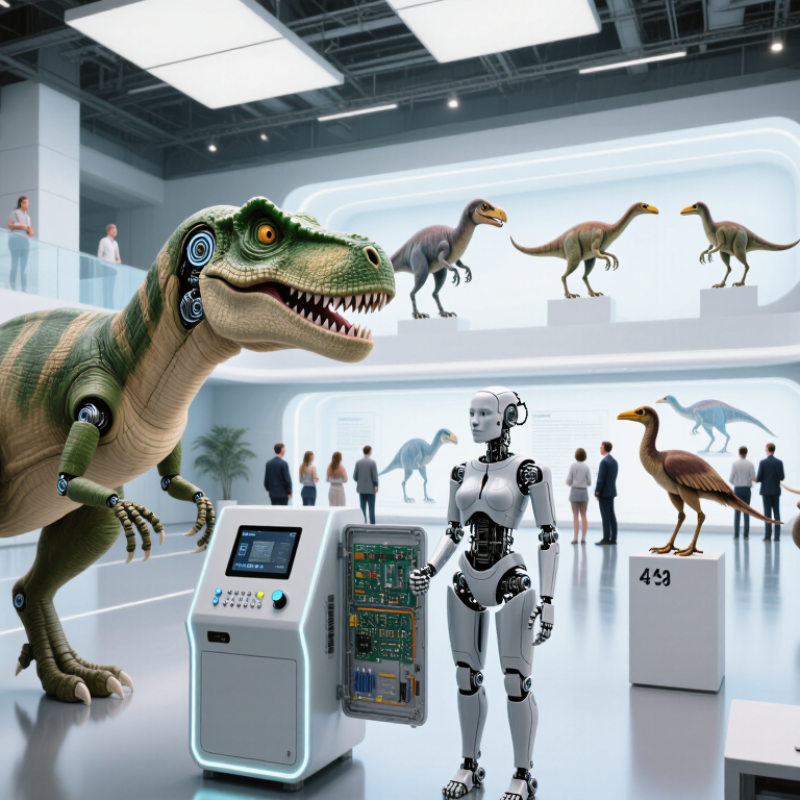
Remote-controlled animatronics are mechanical figures designed to imitate living movement. Motors or small actuators move parts such as a jaw, eyes, neck, or hands. An operator sends commands through a handheld transmitter, wired console, or programmed control system. Some figures also use sound playback or simple sensors. The result can be subtle: a slow blink, a turning head, and a mouth that moves with recorded speech.
Not magic. Just coordinated mechanics, control, and careful timing.
They appear in exhibitions, themed attractions, museums, and stage displays. Remote control gives staff direct control over gestures and timing, which helps when audience flow changes. Performance depends on build quality, power supply, control range, and maintenance. A heavy costume can restrict movement; a loose cable may interrupt a cue. When comparing suppliers, ask about operating distance, battery life, spare parts, and service instructions. Specifications can look neat on paper, but real venues are less tidy.
Tips: Request a demonstration under conditions close to your venue. Check how quickly the figure stops, how the controller feels, and whether routine access panels are easy to open. Keep movements simple at first. More motion is not always more convincing. Leave time for adjustments; a small timing flaw can be noticeable.
How Do Remote-Controlled Animatronic Systems Work?
Remote-controlled animatronic systems translate an operator’s input into controlled movement. A handheld transmitter sends commands to a receiver inside the figure. The receiver passes those signals to a controller, which coordinates motors, servos, or pneumatic valves. Each actuator moves a specific part, such as a jaw, eyelid, neck, or tail. Small servos often manage precise facial movements, while stronger drives move heavier parts. The system design depends on the figure’s weight, required speed, range of motion, and performance space.
Technicians assign controls to movements and test each motion before a show. A joystick might turn the head, while a trigger opens the mouth to match recorded audio. Limit switches and software settings can help prevent parts from moving too far. Cable routing, battery capacity, and wireless interference also affect reliability. Test it slowly. Inspect joints, fasteners, and wiring between sessions, and keep moving parts guarded. A smooth rehearsal can still miss a loose connector or overheating motor. No test catches everything. Operators should practice responding to faults, not only follow the show sequence.
How Can Buyers Evaluate Animatronics Suppliers in China?
When evaluating a remote controlled animatronics supplier in China, ask for evidence from the exact production process—not polished showroom footage. Request drawings, material specifications, wiring diagrams, and a sample inspection record. Check how the team tests motion range, control response, noise, and repeated operating cycles. A jaw that moves smoothly once may behave differently after hours of use. Proof matters more.
Manufacturing scale is not the same as product quality. The International Federation of Robotics reported 276,288 industrial robot installations in China in 2023, about 51% of global installations. This indicates a broad automation base, but it does not certify any animatronics supplier. Ask who makes the mechanisms, how component changes are recorded, and whether critical parts can be traced to inspection results. The detail matters.
For remote control, request a live demonstration under realistic conditions: test the stated operating distance, signal stability, emergency stop, and recovery after power loss. Get tolerances and acceptance criteria in writing before production. Deloitte’s 2024 Smart Manufacturing and Operations Survey found that 92% of surveyed manufacturers viewed smart manufacturing as important to competitiveness. That supports asking for digital quality records, not assuming every factory keeps them. No checklist catches everything. I would still budget time for an independent pre-shipment inspection; it can reveal issues that a video call misses.
What Makes a Supplier the Best Fit for a Project?
Choosing the best remote-controlled animatronics supplier starts with the project, not a sales ranking.
A museum exhibit, touring display, and indoor attraction place different demands on movement, noise, access, and daily operation. Ask how the team will test control range in the actual venue, where walls and wireless traffic can affect response. Small details matter. Request drawings showing service panels, cable routes, and clearances through the loading door.
A reliable supplier should explain materials, motion limits, maintenance intervals, and which parts are replaceable. Ask for an operating manual, fault-response steps, and hands-on training for the people who will run the figure. A polished demonstration is useful, but it cannot prove long-term reliability. I would also check whether spare components can be packed and shipped on the project schedule. No plan is perfect. Venue conditions often change late, so confirm who approves adjustments and documents each change. That conversation can reveal more than a glossy specification sheet.

