How to Choose the Best Home Windows and Doors for Your Needs?
Choosing the right home windows and doors is essential for any homeowner. This decision affects both aesthetics and energy efficiency. High-quality windows and doors can drastically impact comfort and security.
When selecting home windows and doors, consider your local climate. Do you need energy-efficient designs to combat the heat or cold? The materials also matter; wood, vinyl, and fiberglass each offer unique benefits. Think about the maintenance involved. Some options require more care than others.
Not all windows and doors fit every home. Every style has its strengths and weaknesses, which can lead to mistakes in choice. Take time to research different options. Consult professionals for insights that align with your specific needs. Ultimately, the right choices can enhance your home's value and appeal. Balancing aesthetics with functionality may require careful thought and reflection.
Factors to Consider When Selecting Home Windows and Doors
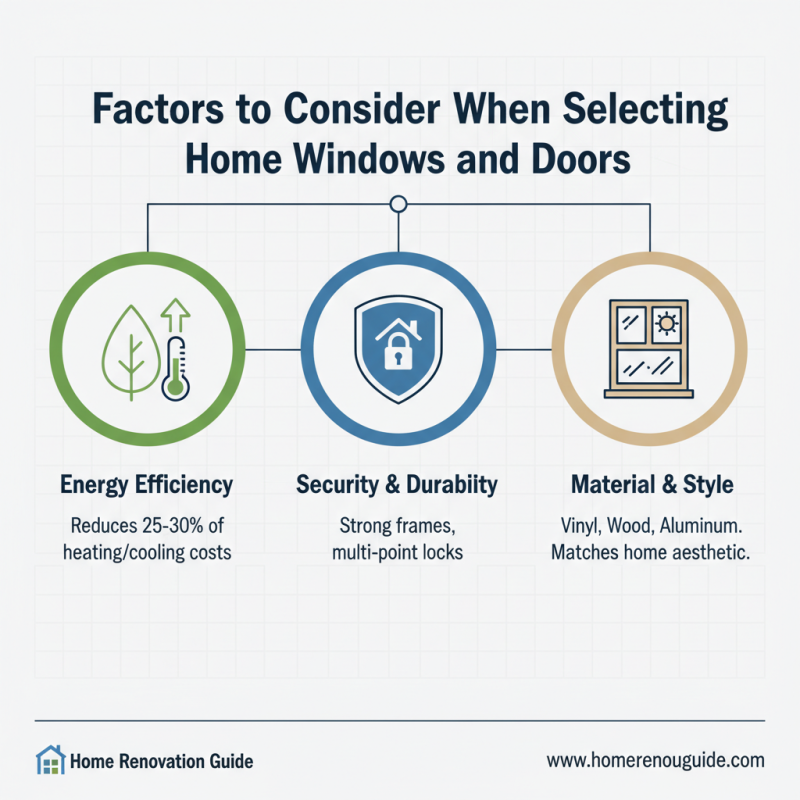
When selecting home windows and doors, several factors must guide your decision. Energy efficiency is crucial. According to the U.S. Department of Energy, windows account for approximately 25-30% of residential heating and cooling costs. High-quality, energy-efficient models can significantly reduce these expenses.
Aesthetic appeal also plays a significant role. Your windows and doors should complement the style of your home. Consider the architectural design and choose materials that enhance its beauty. For instance, wood and fiberglass offer various finishes and styles, allowing for personalization.
Tips for homeowners: Measure your space accurately before purchasing. Miscalculated dimensions can lead to costly adjustments. Also, don’t overlook maintenance. Certain materials require more upkeep than others, so choose based on your lifestyle and willingness to maintain appearance and function. Consider energy ratings; those with high ratings can ensure better insulation and lower utility bills. Reflect on your long-term needs. What works today may not be suitable in the future. Make informed choices.
Types of Windows and Doors: Pros and Cons
When selecting windows and doors, understanding the various types available is crucial.
Vinyl windows
offer excellent insulation and are low maintenance. According to the U.S. Department of Energy, properly installed vinyl windows can reduce energy costs by 10% to 25%.
However, they may not be suitable for extremely high temperatures.
In contrast, wooden doors provide a classic aesthetic and superior durability. Yet, they require regular upkeep to prevent rot and warping.
Fiberglass doors are gaining popularity due to their strength and energy efficiency. They resist dents and are less prone to damage compared with wood. Still, some people find fiberglass less appealing without the option of real wood grain.
On the other hand, aluminum frames are lightweight and offer a modern look, but they can conduct heat, leading to increased energy costs.
Choosing the right type involves weighing pros and cons. Consider factors like climate, maintenance, and aesthetic preference.
Windows and doors can account for 30% to 50% of a home's heating and cooling needs.
Research from the National Association of Home Builders reveals homeowners often overlook this critical factor.
Exploring your options thoroughly will help optimize your investment in comfort and energy efficiency.
Energy Efficiency Ratings and Their Importance
When choosing windows and doors, energy efficiency ratings play a crucial role. These ratings indicate how well products can insulate your home. The U-factor measures heat transfer. A lower U-factor means better insulation. The Solar Heat Gain Coefficient (SHGC) indicates how much solar heat enters your home. You want a balance based on your climate.
Consider your location. If you live in a cooler climate, low U-factors are essential. In warmer areas, focus on SHGC. A product with a low U-factor might not be as beneficial in hot climates. Take the time to research and understand these ratings before making a purchase decision.
Energy efficiency can lead to lower utility bills. However, initial costs might be higher. Investing in high-rated products could save money long-term. Reflect on your priorities: cheaper upfront costs or long-term savings. Striking a balance between efficiency, aesthetics, and cost can be challenging. Understanding these ratings empowers you to make informed choices.
Energy Efficiency Ratings of Home Windows and Doors
This chart illustrates the energy efficiency ratings of various types of home windows and doors, highlighting their importance in reducing energy consumption and improving comfort.
Materials Used in Windows and Doors: A Comparison
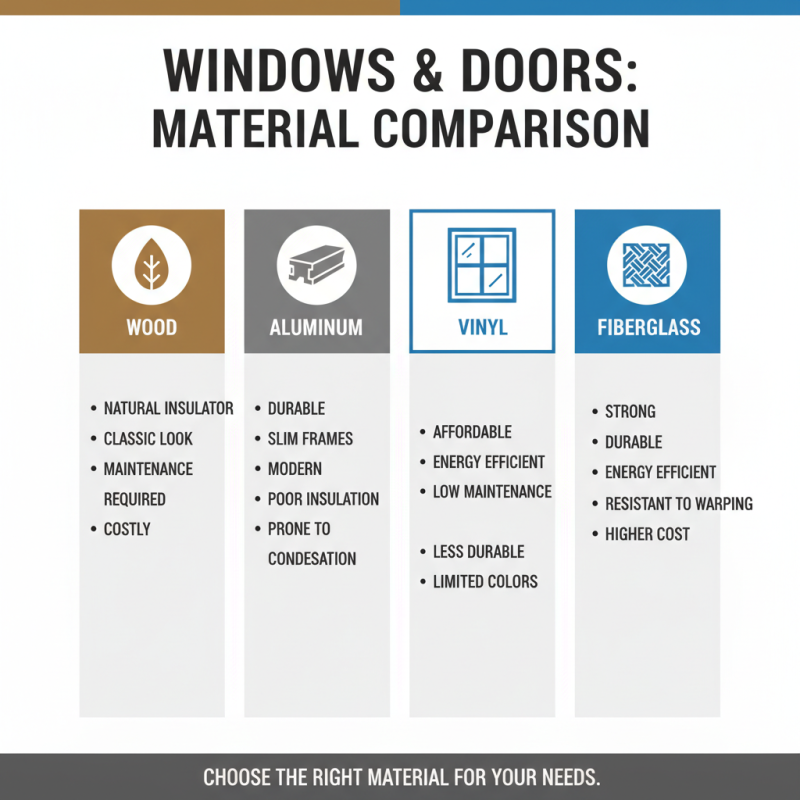
When selecting materials for windows and doors, several options stand out. Wood, aluminum, vinyl, and fiberglass are the most common. Each material has distinct characteristics that cater to different needs.
Wood offers beauty and natural insulation. It is customizable and provides a classic look. However, wood requires regular maintenance to prevent rot and warping. Aluminum is durable and resistant to rust. It's ideal for modern designs but lacks insulating properties. Vinyl is popular for its affordability and low maintenance. However, it can fade or crack in extreme temperatures. Lastly, fiberglass is strong and energy-efficient. It mimics wood but comes at a higher cost.
As you consider materials, reflect on your priorities. Are aesthetics your main concern? Or is durability more important? Knowing the climate where you live can also influence your choice. Each material has its strengths and weaknesses; the best choice depends on your unique situation.
Installation and Maintenance Tips for Longevity
When it comes to the installation of windows and doors, precision is key. Secure fitting ensures energy efficiency and reduces noise pollution. Start by measuring your openings accurately. If they are uneven, adjustments may be needed, often requiring a professional. Poor installation can lead to drafts, resulting in higher energy bills. It is wise to consider hiring experienced installers.
Maintenance is equally important for longevity. Regularly inspect seals and frames for wear and tear. Cleaning is essential. Use a gentle cleanser and avoid abrasive materials that can scratch surfaces. Check for signs of rot or pest infestation, especially in wooden frames. Regular upkeep can prevent costly repairs down the line.
Be mindful of the materials you choose. Some options require more maintenance than others. Vinyl and fiberglass can be low-maintenance, while wood may need more attention. Assess your lifestyle and choose accordingly. Reflect on your choices. An informed decision today can save time and money in the future.