How to Choose the Best Residential Glass Doors for Your Home
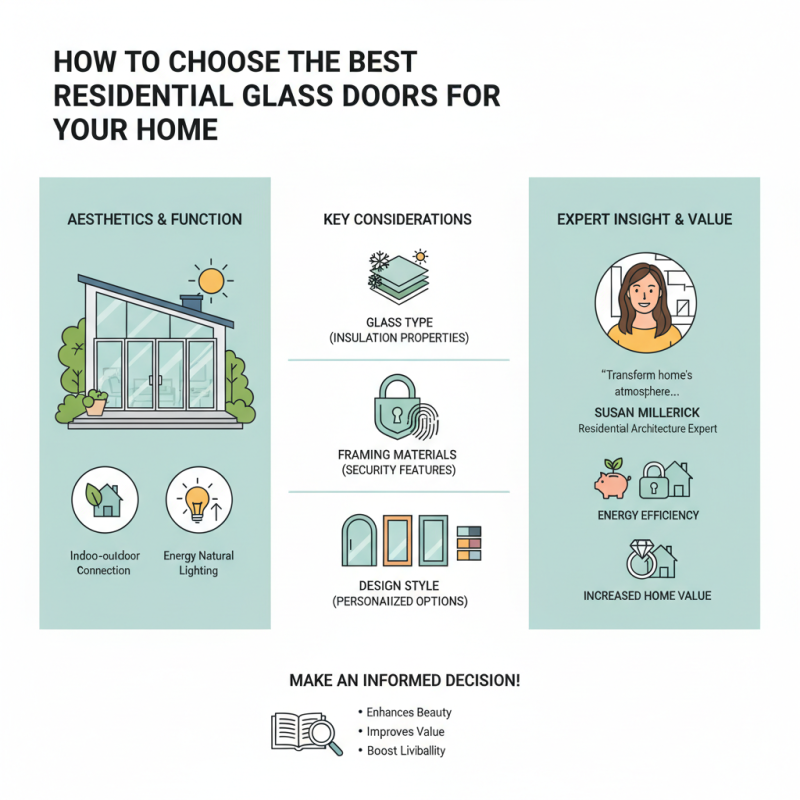
When it comes to enhancing the aesthetic and functional aspects of your home, choosing the right residential glass doors is crucial. These doors not only provide a seamless connection between the indoors and outdoors but also significantly impact the energy efficiency and natural lighting of your living space. According to Susan Millerick, a renowned expert in residential architecture, "The right glass doors can transform your home's atmosphere, creating an inviting environment that celebrates the beauty of nature."
In selecting the ideal residential glass doors, homeowners must consider a variety of factors such as the type of glass, framing materials, and design style. What may seem like a simple choice can actually represent a significant investment in terms of energy efficiency, security, and overall aesthetics. With innovations in glass technology, homeowners now have access to a plethora of options that cater to both functionality and design preferences.
In this guide, we will explore essential considerations and tips for selecting the best residential glass doors for your home. By understanding key elements such as insulation properties, safety features, and personalized design options, you can make an informed decision that not only enhances your home’s beauty but also improves its value and livability.
Understanding Different Types of Residential Glass Doors and Their Features
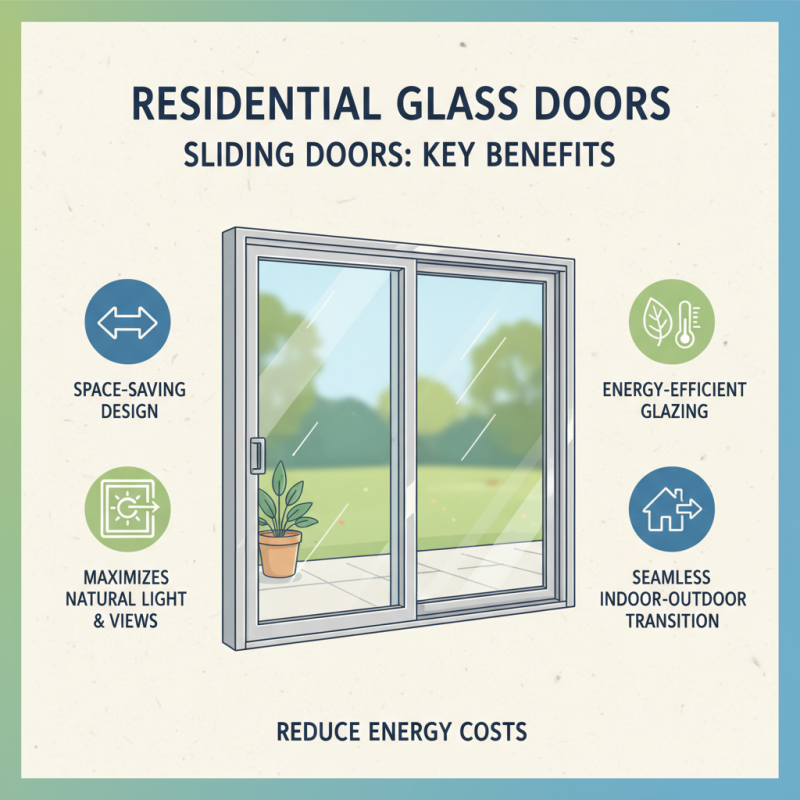
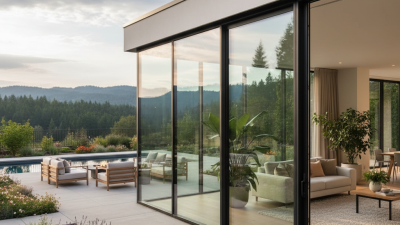
When choosing residential glass doors, it’s essential to understand the different types available, as each offers unique features suited for various needs. Sliding glass doors are a popular choice for their space-saving design and ability to provide a seamless transition between indoor and outdoor spaces. They typically feature large panes that maximize natural light while offering expansive views. This type of door often includes energy-efficient glazing options, making them a practical choice for homeowners wanting to reduce heating and cooling costs.
French doors, in contrast, are characterized by their classic aesthetics and hinged operation. These doors generally consist of two panels that open outward or inward, giving them an elegant look. French doors can be customized with decorative glass patterns and frames, allowing for personalization that complements the home’s architecture. Additionally, they serve as a functional divider between rooms, making them versatile for interior usage as well. Understanding these types of glass doors and their respective features can significantly influence your choice, ensuring that the selected door not only enhances your home’s style but also meets practical requirements.
Evaluating Energy Efficiency Ratings for Glass Doors in Residential Homes
When selecting residential glass doors, one of the most critical factors to consider is their energy efficiency ratings. Energy-efficient glass doors can significantly affect your home's comfort and utility bills. These doors are designed to minimize heat transfer, thereby keeping your home warm in the winter and cool during the summer. Look for doors with a low U-value, which measures the rate of heat transfer; the lower the U-value, the better the door is at insulating your home.
Additionally, pay attention to the Solar Heat Gain Coefficient (SHGC), which indicates how well the door blocks solar heat. A lower SHGC is favorable in warmer climates, where you want to reduce heat buildup, while a higher rating may be beneficial in cooler areas to harness natural sunlight for warmth. Choosing glass doors with double or triple glazing can further enhance energy efficiency, as the layers of glass create a buffer that improves insulation and reduces energy consumption. By carefully evaluating these ratings, homeowners can make informed decisions that lead to long-term energy savings and improved comfort.
How to Choose the Best Residential Glass Doors for Your Home - Evaluating Energy Efficiency Ratings for Glass Doors in Residential Homes
| Type of Glass Door |
Energy Efficiency Rating (U-Factor) |
Solar Heat Gain Coefficient (SHGC) |
Visible Transmittance (VT) |
Recommended Climate |
| Low-E Glass Door |
0.30 |
0.25 |
0.70 |
All Climates |
| Double Glazed Door |
0.28 |
0.30 |
0.60 |
Cold Climates |
| Fiberglass Door |
0.23 |
0.35 |
0.65 |
Moderate Climates |
| Triple Glazed Door |
0.20 |
0.20 |
0.55 |
Very Cold Climates |
Luxurious vs. Economical: Analyzing Cost vs. Benefits of Glass Doors
When choosing residential glass doors, homeowners often grapple with the dilemma of luxurious options versus economical solutions. According to a survey conducted by the American Institute of Architects, over 70% of homeowners express a desire for energy-efficient and aesthetically appealing glass doors, which often come at a premium. High-end glass doors, typically made from double or triple-pane tempered glass, provide superior insulation and UV protection, resulting in lower energy costs over time. In fact, Energy Star estimates that replacing old doors with energy-efficient models can reduce heating and cooling expenses by up to 20%.
On the other hand, economical glass doors, while more budget-friendly upfront, may lack the durability and energy efficiency offered by their luxurious counterparts. A report by the National Association of Home Builders reveals that installing well-crafted, energy-efficient doors can yield a return on investment of 70% to 80% at resale, indicating that opting for high-quality doors might be a wise financial decision in the long run. Homeowners should weigh these cost-benefit analyses carefully, factoring in both initial expenses and long-term savings to choose the right glass door option that complements their lifestyle and enhances their home's value.
Cost vs. Benefits of Residential Glass Doors
Choosing Glass Door Security Features: Importance of Impact Resistance
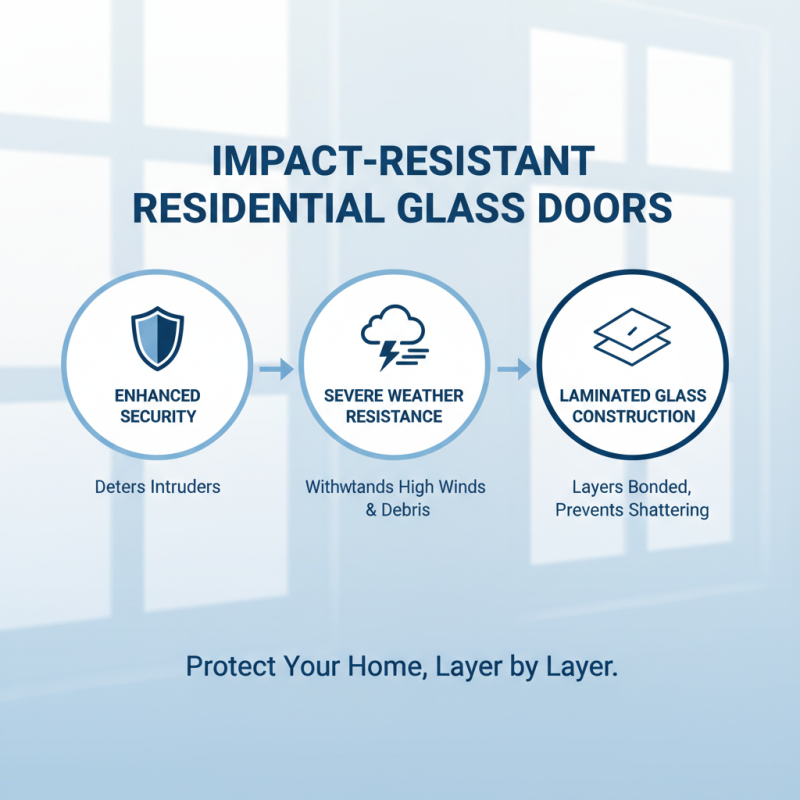
When selecting residential glass doors, one critical aspect to consider is security, particularly the impact resistance of the glass. Impact-resistant doors are designed to withstand severe weather conditions and potential break-ins, providing an additional layer of safety for your home. These doors are constructed using laminated glass, which consists of two or more layers of glass with an interlayer that holds them together upon impact. This not only prevents shattering but also deters intruders, making it a vital feature for any residential space.
Tips for choosing impact-resistant glass doors include assessing local environmental conditions. If your area is prone to storms or hurricanes, opting for doors with higher impact ratings can provide better protection. Additionally, look for glass doors that come with secure locking mechanisms, as they complement the impact resistance by offering better overall security. It's also beneficial to consult with a professional to ensure that the installation meets safety regulations and enhances the door's effectiveness.
Another essential factor is the framing of the glass door. Sturdy frames made from reinforced materials can significantly improve the door's durability and resistance to impacts. Ensure the door is installed properly to avoid any vulnerabilities at the edges, where forced entry is more likely. By focusing on these aspects, you can choose glass doors that not only elevate the aesthetic appeal of your home but also enhance its security.
Maintenance Tips for Prolonging the Lifespan of Glass Doors in Homes
Maintaining residential glass doors is essential in ensuring their longevity and aesthetic appeal. Regular cleaning is one of the most important maintenance tasks. Utilize a pH-neutral glass cleaner and a soft microfiber cloth to avoid scratching the surface. This practice not only keeps the doors sparkling but also prevents the buildup of grime and hard water stains that can weaken the glass over time. It’s advisable to clean them at least once a month, but more frequent cleaning may be necessary in areas with high dust or pollen levels.
Another crucial aspect of maintenance is checking the seals and hardware components regularly. Inspect the weather stripping for any signs of wear or damage, as properly sealed doors help maintain energy efficiency and protect against the elements. Lubricate hinges and locks periodically to ensure smooth operation and prevent rust. Additionally, be vigilant about any chips or cracks in the glass, as these can worsen over time.
Addressing minor imperfections promptly can save homeowners from more costly repairs or replacements down the line. By implementing these maintenance tips, you can significantly extend the lifespan of your glass doors and enhance the beauty of your home.