How to Choose the Best Sliding Windows and Doors for Your Home

When it comes to enhancing the aesthetic and functional appeal of your home, choosing the right sliding windows and doors is crucial. According to renowned expert in home design, Mark Thompson, “The right sliding windows and doors not only improve energy efficiency but also elevate the overall ambiance of your living space.” With a variety of styles, materials, and functionalities available, selecting the perfect sliding windows and doors can seem overwhelming, but understanding the key factors to consider will simplify the process.

From maximizing natural light to facilitating easy access to outdoor spaces, sliding windows and doors offer a unique blend of beauty and practicality. These features are not only a significant part of your home’s architecture but also play a vital role in your home's thermal efficiency and security. As homeowners look to invest in upgrades that provide both value and visual appeal, the importance of knowledgeable selection becomes clear. By exploring the latest innovations and styles in sliding windows and doors, you can ensure your choice complements your home’s design while meeting your lifestyle needs.

How to Choose the Best Sliding Windows and Doors for Your Home

Factors to Consider When Choosing Sliding Windows and Doors

When choosing sliding windows and doors for your home, several critical factors can influence your decision. One of the primary considerations is the performance of the building envelope, which includes insulation, airflow, and energy efficiency. According to industry insights, the latest sliding doors are designed to minimize air infiltration, which is crucial in maintaining a comfortable indoor climate. In Metro Vancouver, where weather can be variable, selecting sliding windows with superior thermal performance can significantly reduce heating costs and enhance energy efficiency.

Another aspect to consider is the aesthetic and functional design of the sliding doors. Innovations in the fenestration industry have led to sleek, minimalist designs that not only serve practical purposes but also elevate a home's visual appeal. Homeowners should evaluate their material preferences, such as durability and maintenance requirements, while ensuring that the chosen style complements their existing architecture.

Additionally, the introduction of new hardware and fixtures can improve the functionality of glass fittings, offering a smoother operation and improved security features.

Types of Sliding Windows and Doors Available for Homeowners

When selecting sliding windows and doors for your home, understanding the various types available is crucial. Homeowners can choose from several options, each designed to meet different needs and aesthetic preferences. For instance, traditional sliding windows feature two sashes, with one sliding horizontally to open. This design is ideal for spaces where you want to maximize natural light while saving interior space.

Another popular choice is the sliding patio door, which provides easy access to outdoor areas. These doors come in various materials, such as vinyl, aluminum, and wood, allowing homeowners to select the best option that complements their home’s style. Additionally, some sliding doors include built-in screening options, enhancing ventilation without compromising on security.

**Tips:** When choosing your sliding windows and doors, consider factors like energy efficiency, ease of maintenance, and the overall architectural style of your home. Always opt for high-quality materials to ensure durability and longevity. Don't forget to test the sliding mechanism in-store; smooth operation is key to enjoying your new installations for years to come.

Sliding Windows and Doors Types Comparison

Material Options for Sliding Windows and Doors: Pros and Cons

When selecting sliding windows and doors, the choice of material is crucial and can significantly affect both performance and aesthetics. Common material options include vinyl, wood, aluminum, and fiberglass, each with its own set of pros and cons. According to a recent report by the American Architectural Manufacturers Association, vinyl is favored for its low maintenance and energy efficiency, boasting a lifespan of over 20 years under optimal conditions. However, it can fade or warp in extreme temperatures.

Wood, on the other hand, provides a timeless aesthetic and excellent insulation but requires more upkeep to prevent rot and bowing. A study by the Window and Door Manufacturers Association highlights that wood windows can have a high return on investment, enhancing property value, yet they can be subject to more wear and tear. Aluminum offers durability and a sleek design, making it a popular option for contemporary homes, but it may lack the insulation properties of other materials.

**Tips:** When choosing a material, assess your local climate and maintenance preferences. For energy efficiency, consider windows with low-E glass coatings. Additionally, always check for warranties and certifications, as these can indicate quality and longevity.

Energy Efficiency Features to Look for in Sliding Windows and Doors

How to Choose the Best Sliding Windows and Doors for Your Home

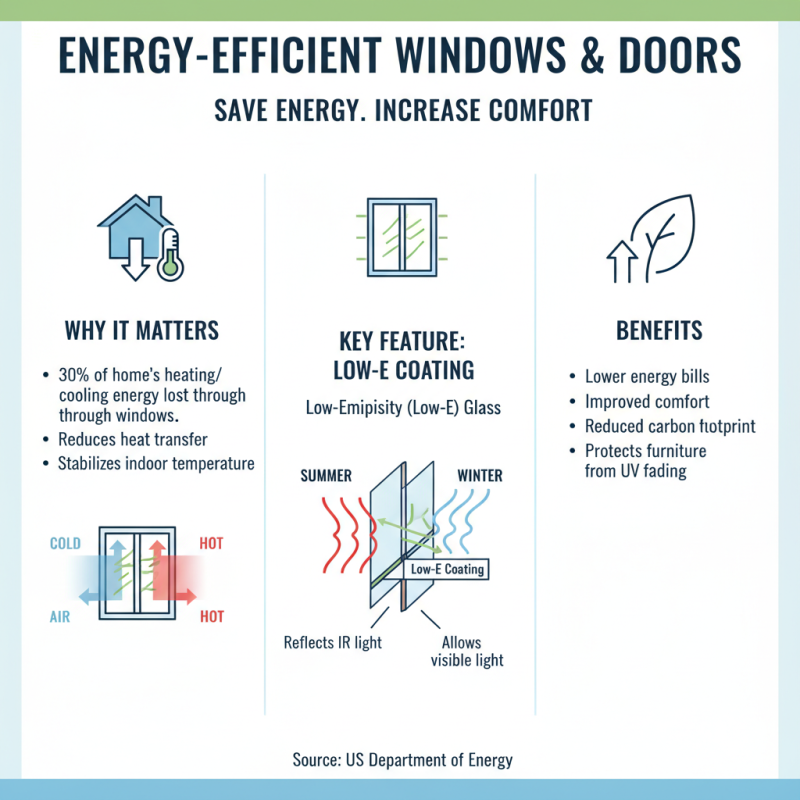
When selecting sliding windows and doors, energy efficiency should be a top priority. According to the U.S. Department of Energy, nearly 30% of a home’s heating and cooling energy can be lost through inefficient windows. This highlights the importance of looking for features that enhance energy performance, such as low-E (low emissivity) coatings. These coatings reflect infrared light while allowing visible light to pass through, effectively reducing heat transfer and stabilizing indoor temperatures.

Additionally, the National Fenestration Rating Council (NFRC) provides crucial ratings for windows and doors that can guide consumers in making informed choices. Look for products with a high Energy Star rating, which indicates lower energy consumption and superior thermal performance. For instance, sliding doors with multiple panes of glass and argon gas fills can significantly improve insulation. A report by the American Council for an Energy-Efficient Economy suggests that energy-efficient windows can save homeowners an average of $465 a year on energy bills, proving that investing in quality sliding windows and doors is not just a matter of aesthetics, but a smart financial decision as well.

Installation and Maintenance Tips for Sliding Windows and Doors

When considering the installation and maintenance of sliding windows and doors, proper planning and execution are key to ensuring longevity and functionality. According to the American Architectural Manufacturers Association, sliding doors can enhance energy efficiency, potentially reducing heating and cooling costs by 10-20% when installed correctly. To achieve these benefits, carefully select energy-efficient models that comply with ENERGY STAR guidelines. Proper sealing and insulation during installation will also minimize drafts, contributing to a comfortable home environment.

Regular maintenance is essential for keeping sliding windows and doors in top condition. Inspect tracks for dirt and debris, as these can impede smooth operation. The Window and Door Manufacturers Association recommends lubricating the rollers and tracks at least once a year to prevent wear and tear. Additionally, checking and replacing weather stripping can enhance insulation and protect against moisture damage, prolonging the lifespan of your investment. Following these essential installation and maintenance tips not only boosts the performance of sliding windows and doors but also elevates the overall aesthetic appeal of your home.

How to Choose the Best Sliding Windows and Doors for Your Home - Installation and Maintenance Tips for Sliding Windows and Doors

Feature Description Maintenance Tips
Material Choose durable materials like vinyl, aluminum, or wood for long-lasting performance. Regularly clean and inspect for signs of wear to prevent damage.
Energy Efficiency Look for windows with double or triple glazing for improved insulation. Check seals and caulking annually to maintain efficiency.
Security Select sliding doors with multi-point locking systems for enhanced security. Test locks regularly and lubricate them to ensure smooth operation.
Design Consider architectural style and color that complements your home. Periodically repaint or refinish wood frames to maintain appearance.
Installation Professional installation ensures proper fitting and functionality. Inspect installations for any gaps or misalignments.