How to Choose Between Windows and Sliding Glass Doors for Your Home
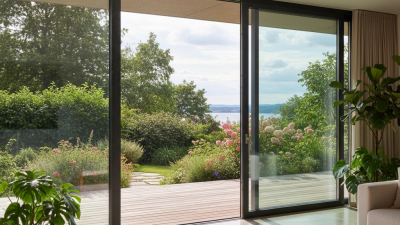
When it comes to enhancing the aesthetics and functionality of your home, one of the critical decisions you will face is choosing between windows and sliding glass doors. Both options serve unique purposes and can dramatically influence the overall ambiance of your living space. Windows provide ample natural light, ventilation, and a view of the outside world while maintaining a level of separation and privacy. On the other hand, sliding glass doors offer seamless access to patios, decks, and gardens, creating a sense of openness and connectivity with outdoor areas.
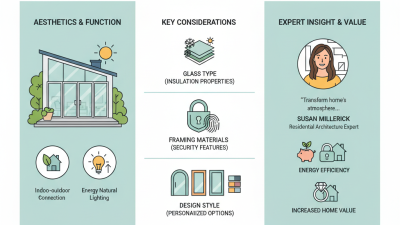
In this guide, we will explore the various factors to consider when deciding between windows and sliding glass doors for your home. From energy efficiency and security features to design flexibility and space considerations, understanding the advantages and disadvantages of each option will help you make an informed choice that aligns with your lifestyle and aesthetic preferences. By evaluating your specific needs and the overall layout of your home, you can choose the best solution that enhances both the interior and exterior of your living environment.
Factors to Consider When Choosing Doors for Your Home
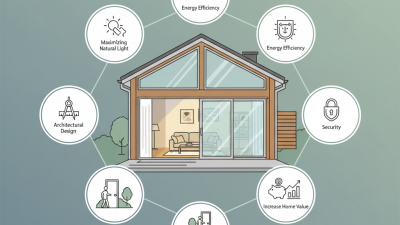
When choosing between windows and sliding glass doors for your home, several factors should be taken into consideration to ensure that you make the right decision. One of the primary considerations is the amount of natural light you wish to introduce into your space. Sliding glass doors typically offer a broader view and allow more light to flood into a room compared to traditional windows. This can create an open and inviting atmosphere, particularly in living areas that lead to a patio or garden.
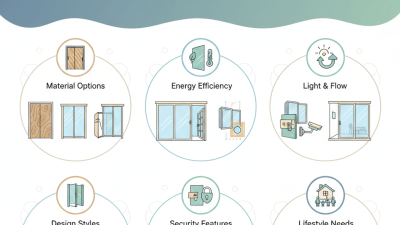
Another important factor is energy efficiency. The materials and insulation properties of the doors or windows you choose can greatly affect your home's heating and cooling costs. Sliding glass doors may come with advanced thermal features, but it is essential to compare them to high-quality windows. Additionally, think about the functionality and accessibility of the entrance. Sliding doors can provide a seamless transition to outdoor spaces and can be easier to operate in certain configurations, making them ideal for areas where you expect high foot traffic. On the other hand, if security is a concern, windows that can incorporate multi-point locking systems might be preferable.
Lastly, consider aesthetic appeal and how each option fits within your home's design. Sliding glass doors can create a contemporary look, enhancing modern architecture, while traditional windows might better suit classic or rustic styles. The choice between the two should align with both your functional needs and personal style preferences, ensuring that you select the right option for your living space.
How to Choose Between Windows and Sliding Glass Doors for Your Home - Factors to Consider When Choosing Doors for Your Home
| Factor |
Windows |
Sliding Glass Doors |
| Space Requirements |
Require less space when opened. |
Requires more space for sliding action. |
| Natural Light |
Great for natural light without compromising wall space. |
Offers maximum natural light due to larger glass panels. |
| Energy Efficiency |
Available with energy-efficient glass options. |
May have a larger surface area, impacting efficiency; choose low-E glass to mitigate. |
| Accessibility |
May require steps or a ledge. |
Easier access; suitable for patios or decks. |
| Aesthetic Appeal |
Traditional styles may vary; fits various home designs. |
Modern look; great for blending indoor and outdoor spaces. |
| Maintenance |
Requires regular cleaning of glass and frames. |
Also requires regular maintenance; may have tracking issues. |
Understanding the Unique Benefits of Windows vs. Sliding Glass Doors
When considering the choice between windows and sliding glass doors, it is essential to understand the distinct advantages each option presents. Windows serve as a traditional element of home design, providing natural light and ventilation while also enhancing energy efficiency. According to a report by the U.S. Department of Energy, properly installed windows can reduce energy bills by up to 15%, making them not only a design choice but also a financial one. In addition, advancements in double and triple glazing technologies have improved thermal insulation, enabling homeowners to enjoy comfort while minimizing heating and cooling costs.
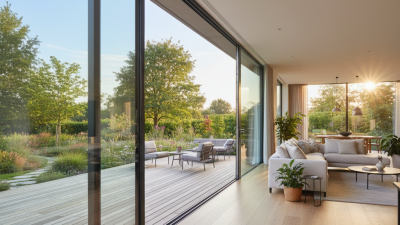
On the other hand, sliding glass doors transform spaces by creating seamless transitions between indoor and outdoor areas. They are particularly favored in homes with patios or decks, allowing for easy access to outdoor living spaces. A study by the Joint Center for Housing Studies of Harvard University indicates that homes with such transitions can increase not only personal enjoyment but also the property's value, appealing to prospective buyers looking for a modern lifestyle. Additionally, sliding glass doors often allow for larger openings than traditional windows, maximizing natural light and enhancing the overall ambiance of a room. This choice is complemented by options to incorporate security features and energy efficiency, further aligning with contemporary home design preferences.
Comparison Between Windows and Sliding Glass Doors
Evaluating Aesthetic Preferences in Door Selection
When evaluating aesthetic preferences in door selection, it’s essential to consider how the design and functionality of windows and sliding glass doors complement your overall home decor.
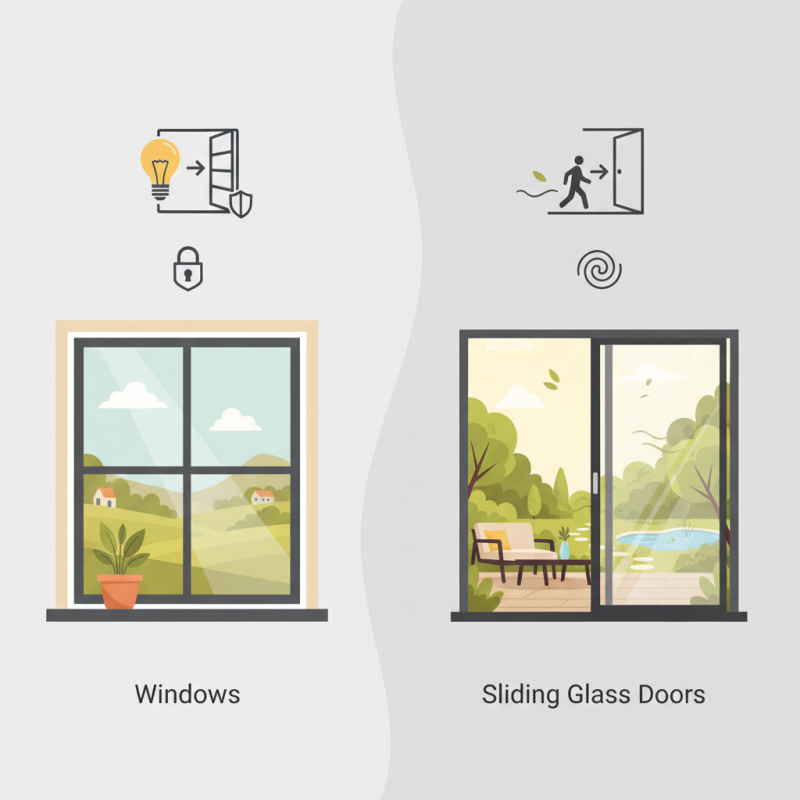
 Windows often provide a classic look, aligning with traditional architectural styles, while sliding glass doors offer a contemporary flair with their expansive glass panels. The choice can significantly impact the ambiance of your living space, influencing not just the appearance but also the amount of natural light that enters the home.
Incorporating either option into your design requires a careful assessment of color, frame materials, and hardware styles. For example, if your home features a rustic aesthetic, wooden-framed windows might be more suitable, creating a warm and inviting atmosphere. Conversely, if a modern look is your goal, sleek sliding glass doors with minimalist frames can enhance the open feel of your interior.
Ultimately, the decision should reflect your personal taste while also harmonizing with the existing elements of your home, ensuring a cohesive and stylish appearance.
Assessing Practical Considerations: Space, Functionality, and Use
When choosing between windows and sliding glass doors for your home, it’s essential to consider the practical aspects of space, functionality, and intended use. Windows are typically more space-efficient, allowing for larger openings without encroaching on floor space. This makes them ideal for smaller rooms or areas where movement is a priority. Additionally, windows can offer better insulation and energy efficiency, especially when double-glazed, contributing to lower utility bills and a more comfortable indoor environment.
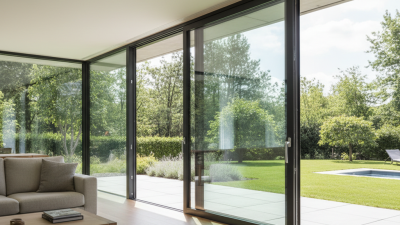
On the other hand, sliding glass doors can enhance accessibility and provide a seamless transition between indoor and outdoor spaces. They are particularly useful in settings where you want to maximize natural light and views, giving a sense of openness. However, it’s crucial to ensure adequate space for the sliding mechanism to function without obstruction. Furthermore, consider the intended use; if you often host gatherings or have a family, sliding doors may provide a more inviting and expansive feel. However, if security and privacy are top priorities, windows offer a more secure option while still allowing light to enter.
Cost Analysis: Comparing Expenses for Windows and Sliding Glass Doors
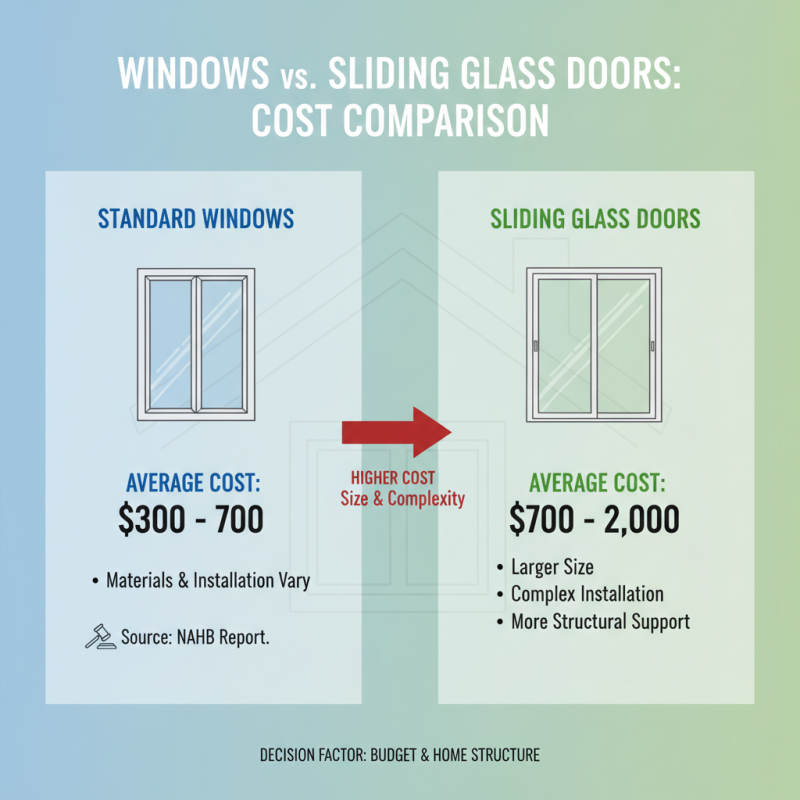
When deciding between windows and sliding glass doors for your home, cost is a significant factor to consider. A report by the National Association of Home Builders indicates that the average cost of a standard window ranges from $300 to $700, depending on materials and installation costs. In contrast, sliding glass doors typically fall within a higher range, averaging between $700 and $2,000. This price difference can be attributed to the size and complexity of installation; sliding doors require more extensive structural support than standard windows.
Tips for cost savings include considering the long-term energy efficiency of both options. Energy-efficient windows can reduce energy bills by up to 30%, according to the U.S. Department of Energy. If your budget is tight, investing in energy-efficient windows can save you money in the long run. Meanwhile, while sliding glass doors provide excellent natural light and aesthetics, their installation may require ongoing maintenance that can add to costs.
Always assess not just the initial purchase price, but also the life-cycle costs associated with each choice. Evaluating average maintenance, repair costs, and your home's energy consumption is essential for making an informed decision. Remember, selecting the right option is not solely about upfront cost but about ensuring lasting value in your investment.