2025 How to Choose the Perfect Sliding Doors for Your Home
When it comes to enhancing the aesthetic appeal and functionality of your home, choosing the right sliding doors can make a significant difference. Sliding doors not only provide an architectural elegance but also offer practical solutions to maximize space. As homeowners increasingly seek to create fluid transitions between indoor and outdoor areas, understanding how to select the perfect sliding doors becomes essential.
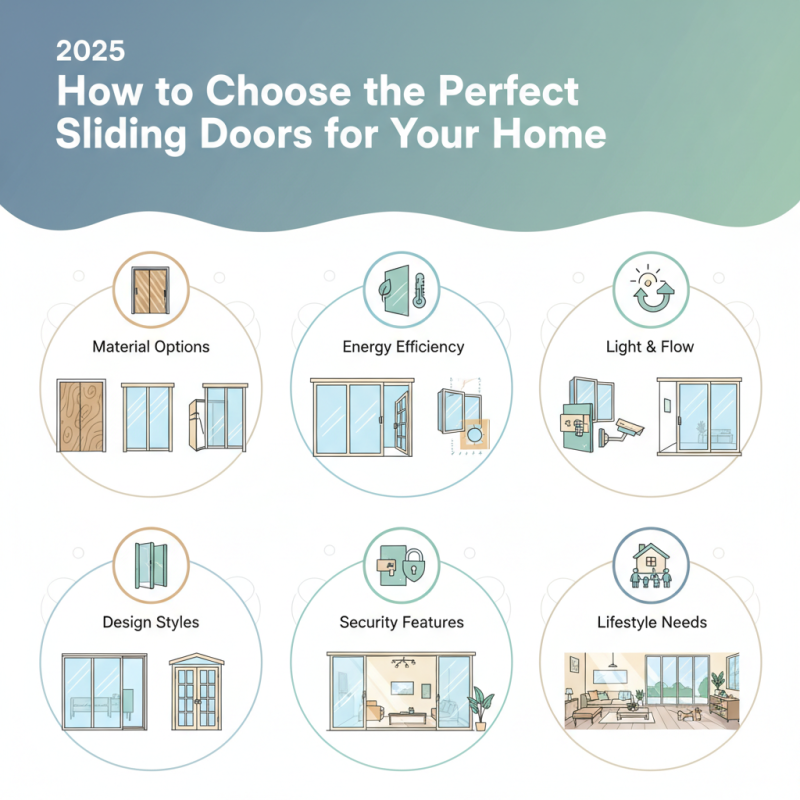
In this guide, we will explore various aspects to consider when choosing sliding doors for your home, from material options and design styles to energy efficiency and security features. By delving into these key factors, you'll be equipped to make an informed decision that complements your living space and meets your lifestyle needs. Whether you're looking to brighten up a room with natural light or create a seamless flow from your patio to the interior, the right sliding doors can transform your home into a more inviting and functional environment.
Understanding the Different Types of Sliding Doors Available
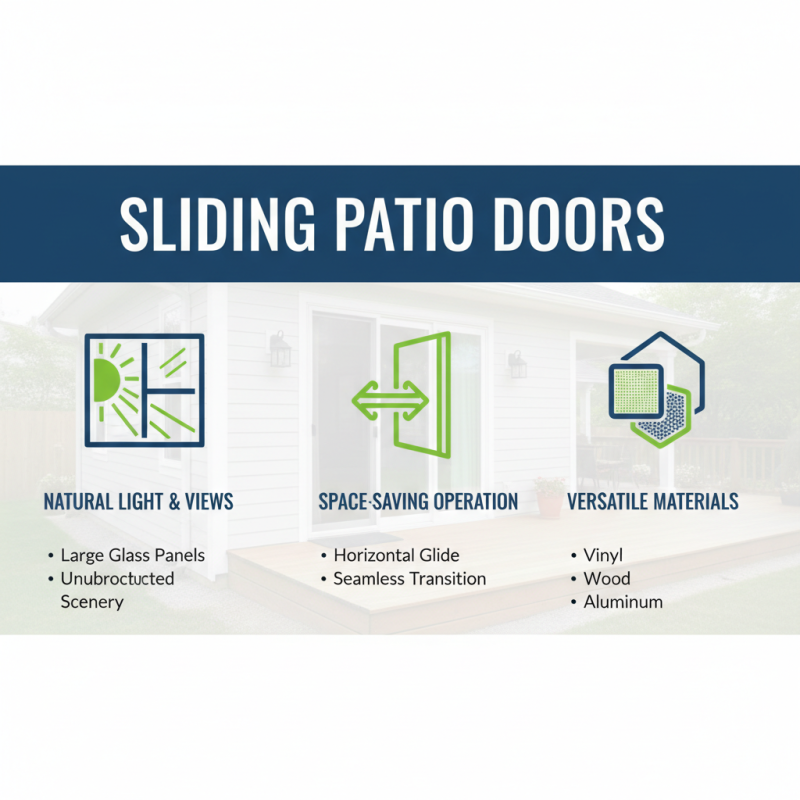
When selecting sliding doors for your home, it's essential to understand the various types available, as each comes with its unique features and benefits. One popular option is the classic sliding patio door, characterized by its large glass panels that invite natural light and provide unobstructed views of the outdoors. These doors glide open horizontally, making them ideal for spaces that require a seamless transition between indoor and outdoor living areas. They are often available in multiple frame materials, including vinyl, wood, and aluminum, allowing homeowners to match them with their home’s aesthetic.
Another type to consider is the bi-fold sliding door. Unlike traditional sliding doors, these consist of multiple panels that fold open accordion-style, creating a wider opening. This feature makes bi-fold doors especially suitable for connecting living spaces to gardens or balconies. They are perfect for entertaining guests and maximizing views while allowing for flexibility in how much space you wish to open up. Additionally, there are pocket sliding doors, which slide into the wall when opened, saving space and providing a clean, minimalist look. This option is particularly advantageous in smaller rooms where floor space is at a premium, allowing for a functional and stylish solution without compromising on design.
Key Factors to Consider When Choosing Sliding Doors
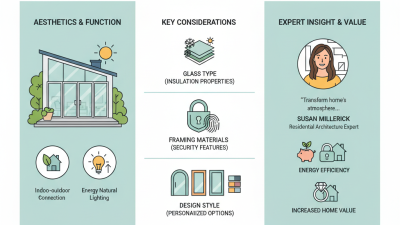
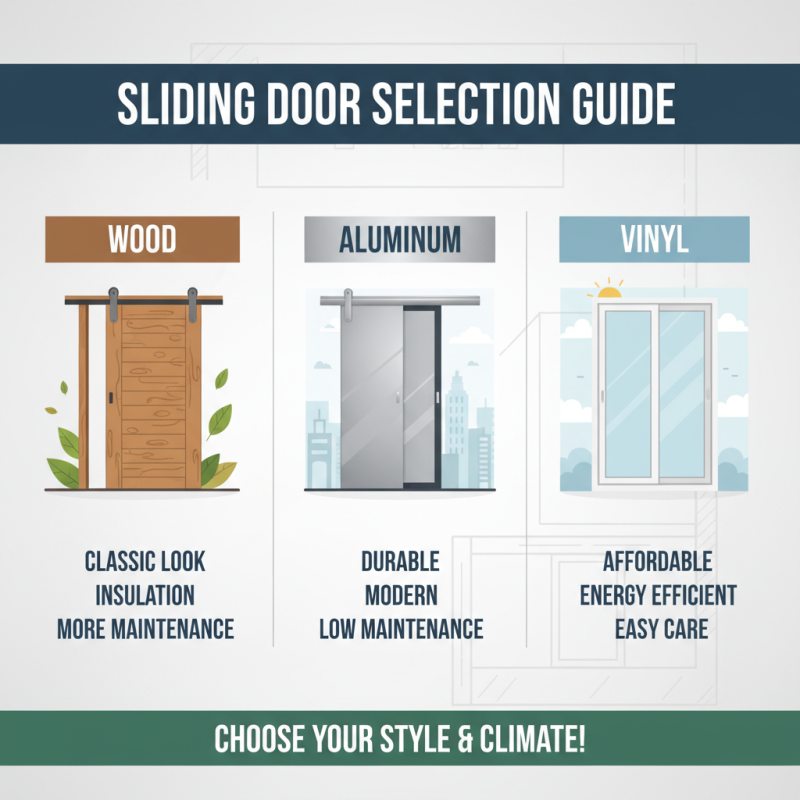
When selecting the perfect sliding doors for your home, several key factors should guide your decision. First and foremost, consider the material of the doors. Options range from traditional wood to modern aluminum and vinyl. Wood offers a classic appeal and excellent insulation but requires more maintenance, while aluminum and vinyl provide durability and lower maintenance needs. Each material contributes differently to aesthetics and energy efficiency, so choose one that aligns with your home’s style and climate.
Another essential factor is the size and layout of the space where the doors will be installed. Measure the opening meticulously to ensure the doors fit well without compromising the flow of the room. Additionally, consider the door’s functionality. Do you need a single or double sliding door? Would you prefer a pocket door that disappears into the wall? These choices can impact privacy and convenience. Lastly, think about security features, such as multi-point locks and impact-resistant glass, to ensure your sliding doors provide not only beauty but also safety for your home.
Material Options: Which Sliding Door Fits Your Style and Needs
When it comes to choosing sliding doors for your home, the material you select plays a vital role in both aesthetics and functionality. Common materials include vinyl, wood, aluminum, and fiberglass, each offering distinct benefits tailored to different styles and needs. Vinyl sliding doors are known for their low maintenance and energy efficiency, making them an excellent choice for homeowners seeking durability without much upkeep. On the other hand, wood provides a classic and warm aesthetic, perfect for traditional or rustic designs, though it may require more maintenance to protect against weathering.
Aluminum sliding doors offer a modern and sleek look while being lightweight and highly durable, making them ideal for contemporary homes. This material is typically resistant to corrosion and can withstand harsh outdoor conditions. For those seeking the versatility of both styles and superior insulation, fiberglass sliding doors combine the strength of aluminum with the appearance of wood, providing a wide range of finishes and colors. Ultimately, the choice of material should reflect not only personal style but also the practical requirements of your living environment, ensuring both beauty and performance in your functional living space.
2025 Perfect Sliding Doors Material Options
Measuring Your Space for the Perfect Sliding Door Installation
When selecting the perfect sliding doors for your home, the first critical step is accurately measuring your space. The installation area must be assessed meticulously to ensure that the doors will fit seamlessly and function properly. Begin by measuring the width and height of the opening where the sliding doors will be installed. It's essential to consider the size of the frame and whether it will fit within the existing wall structure. Taking note of any obstructions, such as handles or light switches, is equally important, as they can affect both the aesthetics and functionality of the doors.
In addition to basic dimensions, consider the amount of clearance you have for the doors to slide open and closed. This involves measuring the space to the sides of the opening and above it. Ensure there is enough room for the tracks and that the door panels can glide without obstruction. If your space is limited or irregularly shaped, custom measurements may be required to achieve the ideal fit. By paying close attention to these details during the measuring process, you will be equipped to choose sliding doors that not only enhance your home’s design but also operate effectively within your space.
Tips for Maintaining and Caring for Your Sliding Doors
Maintaining and caring for your sliding doors is essential to ensure their longevity and functionality. Regular cleaning is the foundation of good maintenance. Clean the tracks with a soft brush to remove dirt and debris that can accumulate and hinder the smooth operation of the door. Use a mild detergent mixed with water to wipe down the glass surfaces, ensuring they remain clear and free of smudges. It’s also important to check the seals and weather stripping for any wear or damage, as these components help to insulate your home and prevent air leaks.
Another key aspect of caring for sliding doors is lubrication. Periodically, apply a silicone-based lubricant to the rollers and tracks to maintain smooth movement. Avoid using oil-based lubricants, as they can attract dust and grime, leading to more maintenance issues in the long run. Additionally, inspect the door frame for any signs of wear, such as cracks or warping, and address these issues promptly to prevent further damage. By dedicating time to care for your sliding doors, you can enjoy their beauty and functionality for years to come.
2025 How to Choose the Perfect Sliding Doors for Your Home - Tips for Maintaining and Caring for Your Sliding Doors
| Feature |
Description |
Maintenance Tips |
| Material |
Common materials include wood, aluminum, vinyl, and fiberglass. |
Regularly inspect for damage or wear; clean with appropriate cleaners for each material. |
| Style |
Options include contemporary, traditional, or minimalist designs. |
Choose a style that complements your home’s architecture; keep frames dust-free. |
| Energy Efficiency |
Look for doors with good insulation properties and low-E glass options. |
Check seals regularly for leaks; consider weather stripping replacements. |
| Security Features |
Consider multi-point locking systems and shatter-resistant glass. |
Regularly test locks for functionality; reinforce with additional hardware if needed. |
| Track & Wheel System |
Sliding doors operate on tracks with wheels for smooth movement. |
Clean tracks regularly; lubricate wheels to prevent sticking. |