How to Choose the Best Sliding Windows and Doors for Your Home
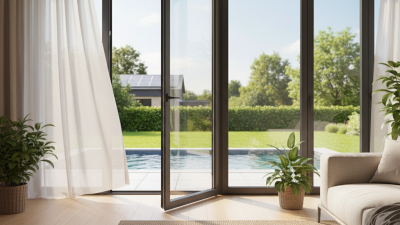
Choosing the right sliding windows and doors for your home is a significant decision that can enhance both the aesthetics and functionality of your living space. These architectural elements not only provide seamless access to your outdoor areas but also allow natural light to flood into your interiors, creating a warm and inviting atmosphere. With a variety of styles, materials, and features available, selecting the best sliding windows and doors involves careful consideration of your specific needs and preferences.
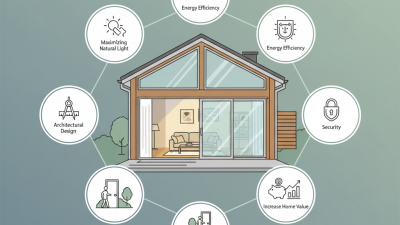
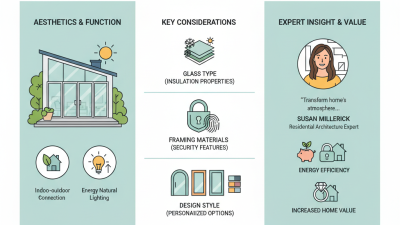
Begin by evaluating the design and layout of your home. The ideal sliding windows and doors should complement your home's architecture while also maximizing energy efficiency and security. Factors such as insulation properties, durability, and ease of operation are essential to ensure that your chosen products provide long-term value. Additionally, consider how the sliding windows and doors can enhance your indoor-outdoor connection, creating a harmonious space for relaxation and entertainment. By taking the time to assess these aspects, you will be better equipped to make an informed choice that not only elevates your home’s appeal but also adds to its overall comfort.
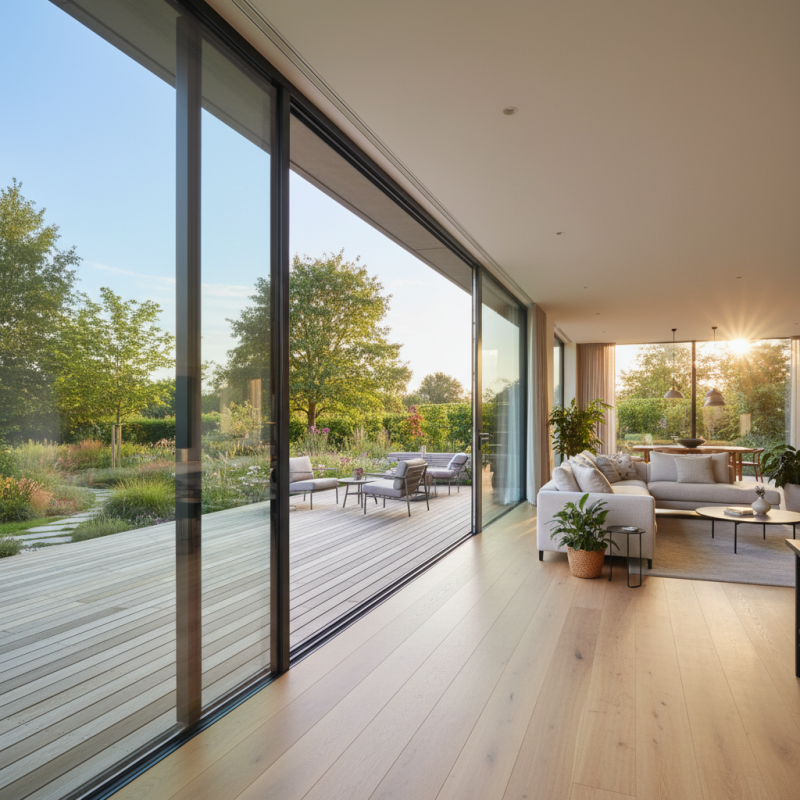
Understanding the Benefits of Sliding Windows and Doors in Home Design
Sliding windows and doors have become increasingly popular in modern home design due to their numerous benefits, particularly in enhancing natural light and improving indoor-outdoor flow. According to a report by the American Institute of Architects, more than 70% of homeowners prioritize natural light in their renovation projects, and sliding windows effectively address this desire. Their expansive glass panes allow ample sunlight to flood living spaces, which not only boosts the aesthetic appeal but also contributes to energy savings—since natural light reduces the need for artificial lighting during the day.
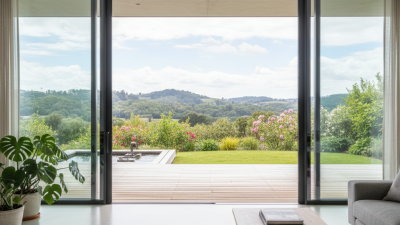
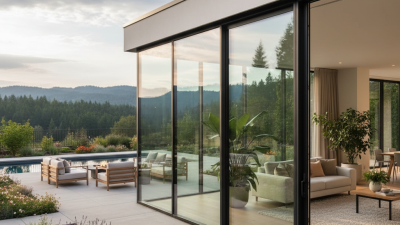
Moreover, sliding windows and doors contribute to a seamless connection to outdoor spaces, making them ideal for homes with patios or decks. The National Association of Home Builders reports that homes incorporating such features can increase their market value by engaging homeowners with outdoor living areas. The ease of access promotes a more vibrant lifestyle, with homeowners enjoying the fresh air and beautiful views, which can enhance overall well-being. Additionally, sliding mechanisms often require less space compared to traditional hinged doors, making them suitable for smaller rooms while still providing functionality and style.
Benefits of Sliding Windows and Doors in Home Design
Key Features to Consider for Sliding Windows and Doors Selection
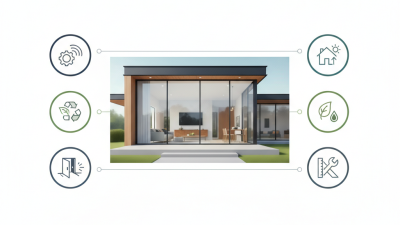
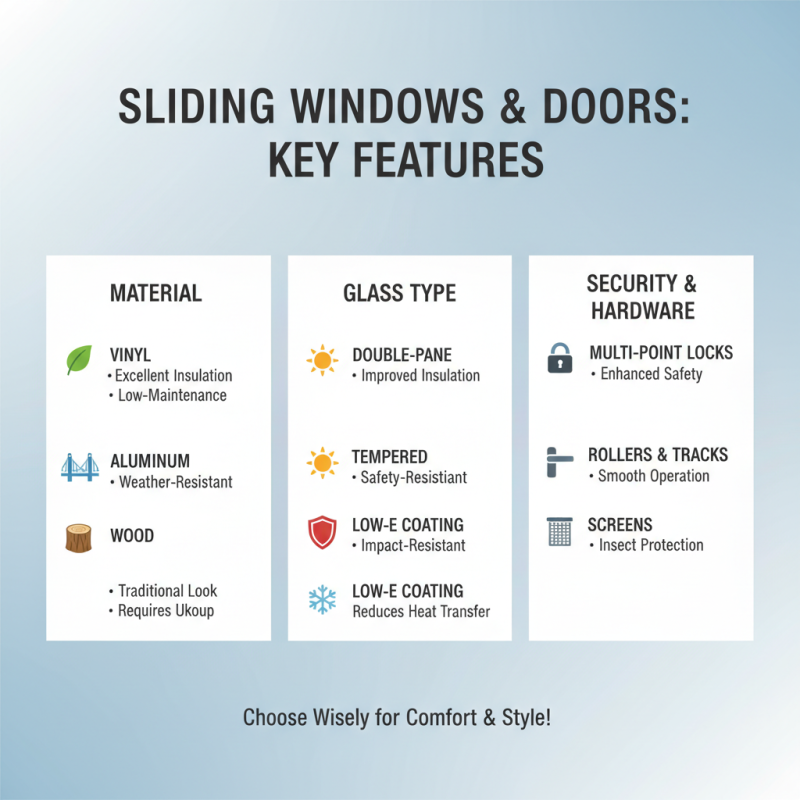
When selecting sliding windows and doors for your home, several key features should be carefully considered to ensure both functionality and aesthetics. First, the material of the frames plays a critical role in durability and maintenance requirements. Options such as vinyl, aluminum, and wood each have distinct advantages and drawbacks. Vinyl offers excellent insulation and is low-maintenance, while aluminum is sturdy and resistant to the elements. Wood, though beautiful and traditional, may require regular upkeep to prevent deterioration over time.
Another important aspect to evaluate is the glazing type used in the windows and doors. Double or triple-glazed glass can significantly enhance energy efficiency by providing better insulation against heat loss and external noise. Additionally, consider options with low-emissivity (Low-E) coatings, which reflect heat back into the room during winter while keeping out excess heat in the summer. Security features, such as multi-point locking systems, should also be a priority, as they provide peace of mind while ensuring ease of use. Ultimately, finding the right combination of materials, glazing, and security features will lead to the best choice for sliding windows and doors that complements your home while meeting your lifestyle needs.
Evaluating Energy Efficiency Ratings for Sliding Windows and Doors
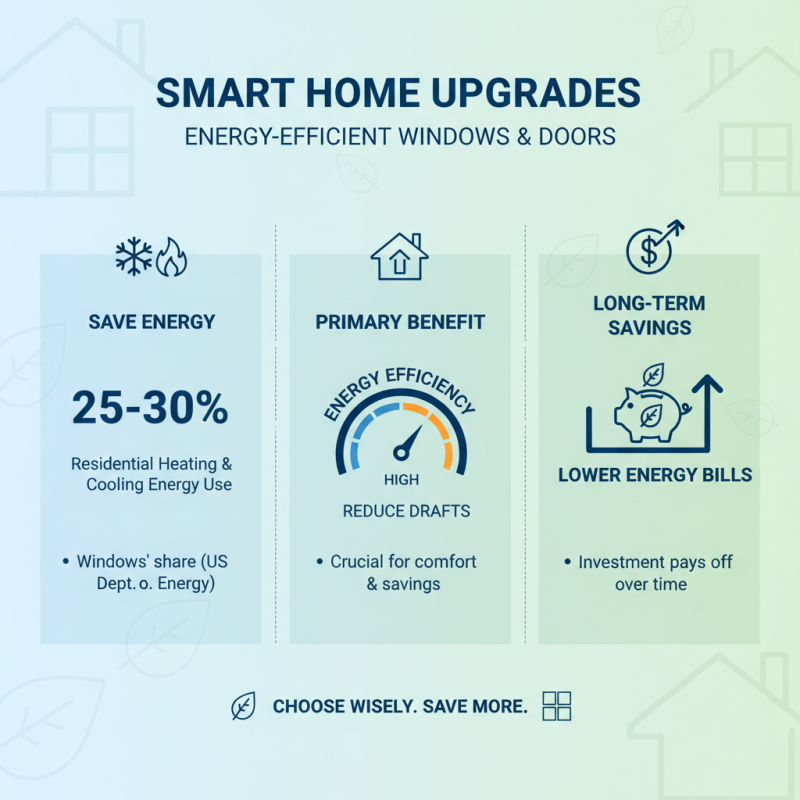
When selecting sliding windows and doors for your home, energy efficiency should be a primary consideration. According to the U.S. Department of Energy, windows account for 25% to 30% of residential heating and cooling energy use. Therefore, evaluating energy efficiency ratings is crucial to ensuring that your investment not only enhances the aesthetics of your home but also contributes to long-term savings on energy bills.
One of the key metrics to consider is the National Fenestration Rating Council (NFRC) label, which provides reliable performance ratings. Look for the U-factor, which measures the rate of heat transfer; a lower U-factor indicates better insulation. Additionally, the Solar Heat Gain Coefficient (SHGC) indicates how much solar radiation is admitted through the window. A lower SHGC is preferable in warmer climates, while a higher value may be beneficial in colder regions, allowing sunlight to naturally warm your space. Research from the American Council for an Energy-Efficient Economy (ACEEE) suggests that windows with high energy efficiency ratings can save homeowners between $126 to $465 annually, depending on the local climate and home characteristics.
Moreover, the use of double or triple glazing can significantly enhance the energy performance of sliding doors and windows. These layers create insulating air spaces that reduce heat loss in winter and heat gain in summer. In fact, ENERGY STAR estimates that if all Americans replaced poorly insulated windows, the country would save over $44 billion each year in energy costs. By prioritizing energy efficiency ratings and features in your selection process, you can create a comfortable home environment while minimizing your carbon footprint and energy expenses.
Materials Comparison: Vinyl, Aluminum, and Wood for Sliding Systems
When selecting sliding windows and doors, choosing the right material is crucial for both functionality and aesthetic appeal. A comparison of the most popular materials—vinyl, aluminum, and wood—can help homeowners make an informed decision. According to industry reports, vinyl is recognized for its excellent insulation properties and low maintenance needs. It does not require painting or staining, making it a cost-effective option over time. The Durable Vinyl Report highlights that vinyl frames can last more than 40 years if properly maintained, appealing to homeowners seeking longevity without the hassle.
On the other hand,
aluminum offers a sleek, modern look and is incredibly versatile in design. While aluminum frames are generally stronger than their vinyl counterparts, they can conduct heat, which may lead to less efficient insulation unless thermal breaks are included. The Aluminum Association notes that aluminum windows can be designed to meet high-performance standards, making them suitable for diverse climates. However, many homeowners are turning to aluminum-clad wood windows that combine the warmth of wood interiors with the strength and durability of aluminum exteriors.
Wood sliding systems remain popular for their natural aesthetic and extensive customization options. They can be stained or painted to match virtually any décor, but they require regular maintenance to prevent rot and degradation. Reports from the American Hardwood Information Center indicate that well-maintained wood can last 30 years or more, highlighting the trade-off between aesthetic appeal and upkeep. Each material has its own set of advantages and drawbacks, thus emphasizing the importance of personal preference and lifestyle when making a choice for the best sliding windows and doors for home installations.
Essential Installation Tips for Optimal Performance of Sliding Doors
When installing sliding doors, proper preparation is key to ensuring optimal performance. Begin by measuring the opening accurately to select the right door size. A well-fitted door not only enhances aesthetic appeal but also maximizes energy efficiency by minimizing drafts and preventing air leaks. It's essential to level the door frame during installation, as uneven surfaces can lead to difficulty in opening and closing the door smoothly. Use shims to adjust the frame as needed, ensuring it is plumb on all sides.
Next, pay attention to the track system. A high-quality track allows for smooth operation, reducing wear and tear over time. Make sure that the track is clean and free from debris before installing the door. Lubricate the track regularly with a suitable product to prevent sticking and ensure longevity. Additionally, ensure that the rollers are properly aligned; misalignment can cause the door to derail over time, leading to costly repairs. By focusing on these essential installation tips, you can enjoy the functionality and beauty of your sliding doors for years to come.