How to Choose the Best Spc Plank Flooring for Your Home?
Choosing the right flooring can transform any space in your home. Among various options, SPC plank flooring stands out for its durability and design flexibility. This innovative flooring combines stone powder and PVC for exceptional strength. It is ideal for high-traffic areas, making it suitable for families and pets.
SPC plank flooring offers a variety of styles and colors. Homeowners can achieve a sophisticated look without compromising on practicality. However, the abundance of choices can be overwhelming. Consider factors such as thickness and texture. Not all SPC planks are created equal, and it's essential to research brands and products for reliability.
Investing in SPC plank flooring requires careful thought. It must complement your home's existing decor while meeting functional needs. Explore samples and consult professionals to ensure you make an informed choice. Reflecting on your lifestyle can guide you in selecting the best option.
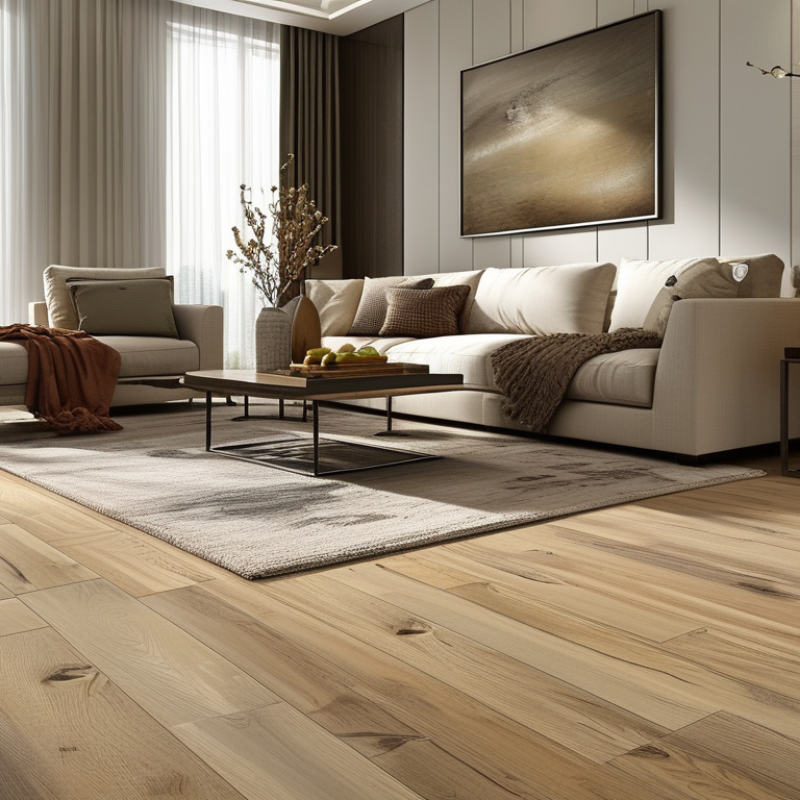
Understanding SPC Plank Flooring: What It Is and Its Benefits
SPC (Stone Plastic Composite) plank flooring has gained popularity in modern homes due to its unique combination of durability and aesthetic appeal. It is made of a mixture of limestone and PVC, providing a sturdy, waterproof surface. According to a report by the National Wood Flooring Association, SPC flooring can withstand moisture better than traditional laminate and hardwood options, making it suitable for kitchens and bathrooms.
In addition to its water resistance, SPC flooring is designed for heavy foot traffic. Studies show that it can handle everyday wear and tear without showing significant signs of damage. This makes it ideal for households with pets and children. However, it's crucial to consider installation methods. Some SPC products can expand or contract in extreme temperatures, potentially leading to gaps if not installed correctly. Proper acclimatization is essential to minimize these risks.
A significant benefit of SPC flooring is its ease of maintenance. Regular sweeping and occasional mopping suffice to keep it looking new. However, the use of harsh cleaning chemicals can dull its finish over time. Homeowners should research cleaning recommendations to maintain its appearance. Investing in SPC flooring may offer longevity and beauty, but it requires careful consideration of installation and maintenance requirements.
How to Choose the Best SPC Plank Flooring for Your Home?
| Dimension | Description | Benefits |
| Thickness | Typical thickness ranges from 4mm to 8mm. | Thicker planks may offer better durability and sound insulation. |
| Water Resistance | SPC flooring is highly water-resistant, making it suitable for kitchens and bathrooms. | Prevents warping and damage in humid environments. |
| Design Variety | Available in numerous colors, patterns, and finishes. | Allows customization to match any interior décor. |
| Installation | Can be installed as a floating floor with a click-lock system. | Simplifies DIY installations and reduces labor costs. |
| Maintenance | Easy to clean with regular sweeping and occasional mopping. | Low maintenance saves time and effort. |
| Durability | High resistance to scratches and dents due to its rigid core. | Ideal for high-traffic areas, enhancing longevity. |
Key Factors to Consider When Choosing SPC Plank Flooring
Choosing the right SPC plank flooring for your home involves several key considerations. First, evaluate the thickness of the planks. Industry experts recommend a thickness of at least 5 mm for residential use, as this offers better durability and comfort underfoot. Reports indicate that thicker planks provide improved sound insulation, reducing noise pollution within your space.
Next, consider the wear layer. A wear layer of 20 mil is ideal for high-traffic areas. This layer protects against scratches and stains, extending the life of your flooring. According to the National Wood Flooring Association, 40% of homeowners prioritize durability when selecting flooring materials, making SPC an attractive option due to its resilience.
Tip: Always request samples to assess texture and color before making a decision. This simple step can prevent future regrets and mismatches.
Lastly, think about the
installation method.
Floating floors are easier to install and suitable for DIY projects. However, they may not have the same stability as glued-down options. Industry reports suggest that about
30% of installations fail due to improper methods. Taking the time to understand your choices is essential for a successful project.
Different Styles and Designs of SPC Plank Flooring Available
SPC plank flooring comes in various styles and designs to suit different preferences. This flooring type integrates stone-plastic composite technology, resulting in resilience and visual appeal. According to industry reports, the global SPC flooring market was valued at approximately $1.5 billion in 2021 and is expected to grow significantly in the coming years. This trend highlights the popularity of SPC flooring among homeowners looking for a stylish yet durable solution.
When choosing SPC planks, homeowners can consider options in color, texture, and finish. Styles range from classic wood look to modern stone patterns. Textures can add depth to the flooring, enhancing realism. For example, matte finishes provide a softer appearance, while gloss finishes can create a more contemporary vibe. According to experts, around 70% of consumers prefer wood-look SPC flooring for its warm aesthetic. Patterns and graphics can also add a unique touch, appealing to those looking for something distinctive.
Despite these advantages, some challenges can arise. Consumers may find certain styles more prone to scratches or fading under direct sunlight. Not all SPC flooring is created equal; quality can vary. Research indicates that about 30% of buyers report dissatisfaction due to unexpected wear and tear. It's crucial to assess the specific needs of your space before making a final decision. Balancing style with functionality will help ensure lasting satisfaction with your flooring choice.
Installation Methods and Requirements for SPC Plank Flooring
When considering SPC plank flooring, understanding the installation methods is crucial. One popular method is floating installation. This technique allows the planks to "float" above the subfloor. It is essential to ensure the subfloor is smooth and clean. Any imperfections can cause the planks to buckle or warp over time.
Another commonly used method is glue-down installation. This approach provides a strong bond between the planks and the subfloor. However, it requires careful application of adhesive without creating lumps. Incorrect installation can lead to long-term issues like peeling or damage.
Before installation, checking the room’s humidity and temperature is vital. SPC flooring can expand or contract based on environmental conditions. Slamming doors or heavy furniture can create stress on the joints. Some might rush this stage, but patience is crucial. Proper acclimation of the planks can prevent these issues. Each method has its challenges, and careful consideration can lead to better outcomes.
SPC Plank Flooring Selection Criteria
Maintaining and Caring for Your SPC Plank Flooring for Longevity
Maintaining and caring for your SPC plank flooring is crucial for its longevity. Proper care ensures your flooring maintains its beauty and functionality for years. SPC flooring, known for its durability, can last over 20 years with the right maintenance.
Regular cleaning is essential. Use a soft broom or vacuum cleaner to remove dirt and debris. Avoid using excessive water, as it may damage the underlayment. A damp mop with a mild cleaner works best. For tough stains, a specialized cleaner for SPC flooring may be necessary.
**Tips:**
- Place mats at entryways to reduce dirt accumulation.
- Use furniture pads to prevent scratches.
- Don't exceed the manufacturer's moisture recommendations.
Temperature and humidity play a significant role in SPC flooring maintenance. Aim for indoor temperatures between 60°F and 80°F and humidity levels between 35% and 55%. This helps prevent expansion or contraction, which could cause gaps. Keeping an eye on these factors is vital for maintaining the integrity of the flooring.
Routine inspections can help identify issues early. Check for loose seams, scratches, or discoloration. Early intervention can prevent larger problems later. Reflect on the way you maintain your floors. A proactive approach can save you time and money in the long run.

