How to Choose the Best Windows Glass and Doors for Your Home?
Choosing the right windows glass and doors for your home may seem daunting. Many factors influence this decision, including style, energy efficiency, and security. The right choice can enhance your home's appeal and provide comfort year-round.
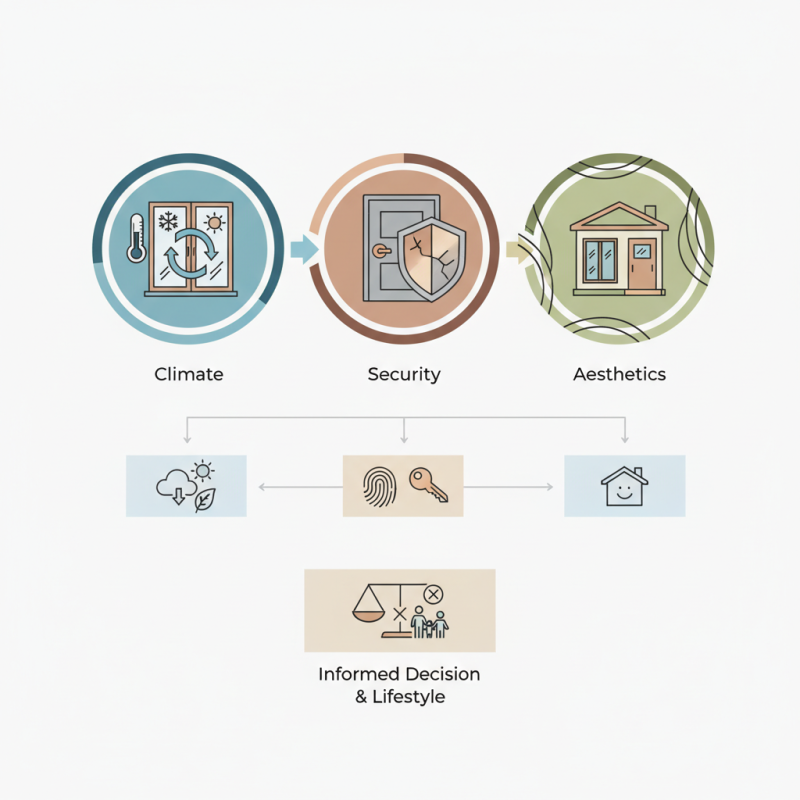
Start by considering the climate in your area. Different glass options might perform better in various temperatures. For instance, double-glazed glass increases insulation, reducing energy costs. Security is another vital aspect. Select doors that come with robust locking mechanisms and impact-resistant glass for added safety.
Keep aesthetics in mind; how do you want your home to look? Mismatched windows glass and doors can lead to a disjointed appearance. Take the time to reflect on your choices. It’s not just about what looks good; it’s about what works best for your lifestyle and needs. Make an informed decision, weigh the pros and cons carefully, and ensure every aspect is considered. The right windows glass and doors can transform your home.
Understanding Different Types of Windows and Doors Available
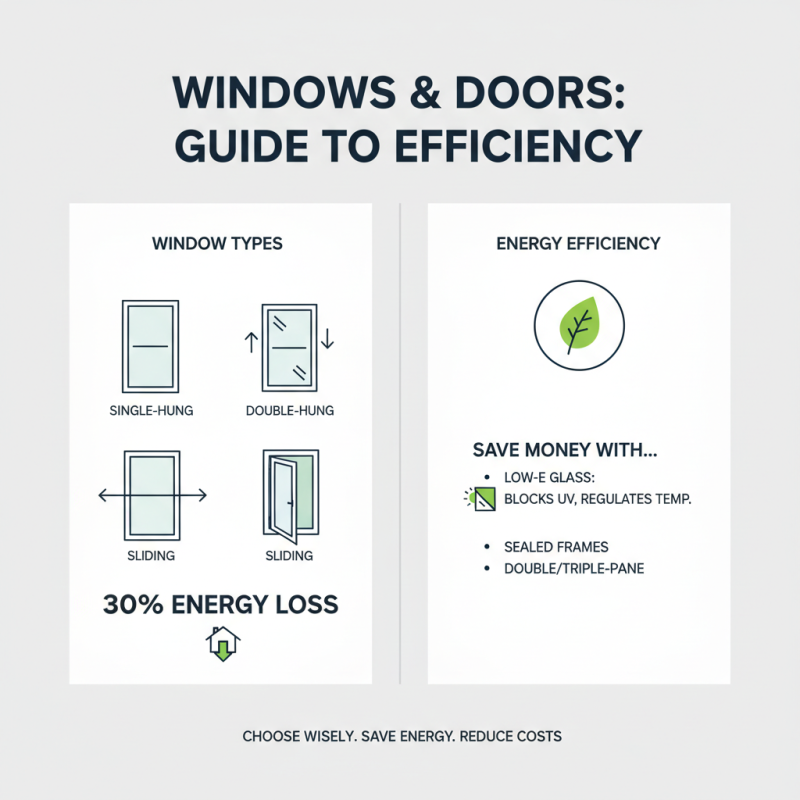
When selecting windows and doors for your home, understanding types is crucial. Windows generally come in single-hung, double-hung, casement, and sliding designs. Research indicates that 30% of energy loss occurs through windows. Therefore, choosing energy-efficient options can significantly reduce costs. For instance, low-E glass minimizes UV rays and helps maintain indoor temperatures.
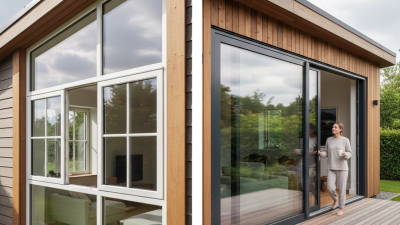
Doors vary from traditional hinged types to modern sliding and bi-fold models. According to industry reports, well-insulated doors can lower heating and cooling bills by up to 20%. Consider materials too. Fiberglass offers durability while wood provides aesthetic appeal. Each material has pros and cons, affecting maintenance and lifespan.
While style is essential, functionality should not be overlooked. Security features are vital. Many homeowners overlook this aspect, potentially compromising safety. Investing in high-quality locks and reinforced frames can provide peace of mind. Balancing aesthetics with practicality can be challenging, requiring careful thought and sometimes expert guidance. Choose wisely to create a comfortable, secure environment.
Evaluating Energy Efficiency: The Importance of Insulation Ratings
When evaluating energy efficiency for windows and doors, insulation ratings play a crucial role. High-quality insulation reduces energy loss. According to the U.S. Department of Energy, nearly 30% of heating and cooling energy is lost through windows alone. Selecting products with an Energy Star rating ensures better insulation performance.
Consider the U-factor and R-value for windows. The U-factor measures heat transfer. A lower U-factor means better insulation. The R-value measures resistance to heat flow. Higher R-values indicate superior insulation. Ideally, look for windows with a U-factor below 0.30 and R-values above 4.
Keep in mind that installation quality affects insulation performance. Improperly sealed windows and doors can diminish energy efficiency. This aspect is often overlooked. Regular maintenance checks can identify air leaks that develop over time. Addressing these weak points can significantly improve your home's overall energy efficiency.
Assessing Aesthetics: Style and Design Considerations for Your Home
Choosing the right windows, glass, and doors is crucial for your home’s aesthetic appeal. Their style and design impact both the interior and exterior. According to a recent survey by the American Institute of Architects, 78% of homeowners prioritize aesthetics when selecting these elements. They play a significant role in defining a home’s character.
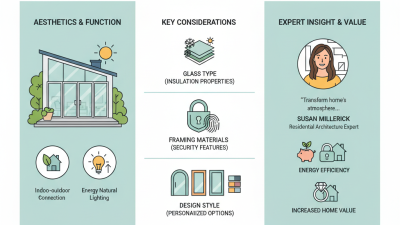
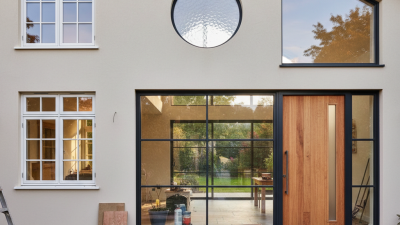
Consider the architectural style of your home. A modern home may benefit from sleek, minimalist frames, while traditional styles could require more ornate designs. Opt for energy-efficient glass, as 67% of energy loss can occur through windows. This not only enhances aesthetics but also improves functionality. Incorporating large glass panels can create seamless transitions between indoor and outdoor spaces, inviting natural light.
Personal reflection is important here. You might find yourself drawn to trends that may not suit your home’s style. Carefully evaluate your preferences. Classic designs never age, yet contemporary styles can provide a fresh feel. Understanding the balance between style, durability, and efficiency is key. Use resources like design magazines and expert consultations to inform your choices. Make selections that truly resonate with your vision for your home.
How to Choose the Best Windows Glass and Doors for Your Home? - Assessing Aesthetics: Style and Design Considerations for Your Home
| Feature |
Description |
Aesthetic Impact |
Recommended Style |
| Frame Material |
The material used for window frames (wood, vinyl, aluminum). |
Can enhance or detract from the overall style of your home. |
Traditional: Wood; Modern: Aluminum |
| Glass Type |
Types include insulated, tempered, and low-E glass. |
Affects energy efficiency and natural light. |
Eco-friendly: Low-E; Safety: Tempered |
| Color Finish |
The color options available for frames and doors. |
Complements your home's exterior color scheme. |
Neutral tones for classic, bold colors for modern. |
| Design Style |
Refers to the architectural features and style (casement, sliding, etc.). |
Influences the vibe and functionality of your home. |
Modern: Sliding; Classic: Double-Hung |
Material Choices: Wood, Vinyl, Aluminum, and Their Benefits
Choosing the right materials for windows and doors is crucial. Wood, vinyl, and aluminum are popular choices, each with unique benefits. Wood offers classic beauty and excellent insulation. According to the U.S. Department of Energy, wood can reduce energy costs significantly due to its natural insulating properties.
Vinyl is another great option. It is low-maintenance and resistant to moisture. Studies show that vinyl windows can enhance energy efficiency by up to 30% compared to older models. Their variety in colors and styles allows homeowners to match any aesthetic.
Aluminum frames are strong and durable. They are ideal for larger openings due to their lightweight nature. However, aluminum is a poor insulator, which can lead to higher energy costs. Investing in thermal breaks can help improve efficiency.
Tip: Always check energy ratings when selecting windows and doors. Look for labels like ENERGY STAR for assurance.
Deciding among these materials often requires reflection. What suits your home best? While wood may provide warmth, consider the upkeep. Vinyl’s affordability can sometimes clash with aesthetic preferences. Balancing these factors is essential for a smart investment.
Material Choices for Windows and Doors
Installation and Maintenance: Ensuring Longevity and Performance
Installation of windows and doors is crucial for energy efficiency. According to the U.S. Department of Energy, improper installation can lead to air leaks, resulting in energy losses of 20% or more. This waste not only increases bills, but it also impacts your home’s comfort. Professional installation is recommended. Trained installers can ensure a tight seal, preventing drafts and moisture intrusion.
Regular maintenance is vital for longevity. Clean the glass and frames with suitable cleaners to avoid damage. A study by the Window and Door Manufacturers Association found that 30% of homeowners neglect regular upkeep, leading to deterioration. Inspect seals and weather stripping annually. Replacing worn components is essential in prolonging the life of your windows and doors.
Investing in the right materials can also impact performance. Double-glazed and low-E glass options enhance insulation. A survey indicates that homes with energy-efficient windows increase their market value by 10-20%. When considering upgrades, think about both aesthetics and functionality. A balanced approach ensures that your installations not only look good but perform well over time.