How to Choose Energy Efficient Doors for Your Home in 2025
In the quest for a sustainable future, choosing energy efficient doors has become a priority for homeowners looking to reduce their carbon footprint while enhancing comfort. As we project into 2025, the importance of selecting the right materials and designs cannot be overstated. According to Dr. Emily Carter, a renowned expert in energy sustainability, "Investing in energy efficient doors not only improves the thermal performance of a home but also creates a healthier living environment." With advancements in technology and a growing awareness of energy conservation, the options available today offer more than just aesthetic appeal.
The decision to upgrade to energy efficient doors entails understanding various factors, from insulation properties to cost-effectiveness. Awareness of these factors allows homeowners to make informed choices that align with both their environmental goals and financial considerations. In the coming years, we expect to see innovations that further enhance the efficiency and functionality of these essential elements in home design. Thus, selecting the right energy efficient doors is not just an aesthetic choice; it is a fundamental step towards a more sustainable and cost-effective home.
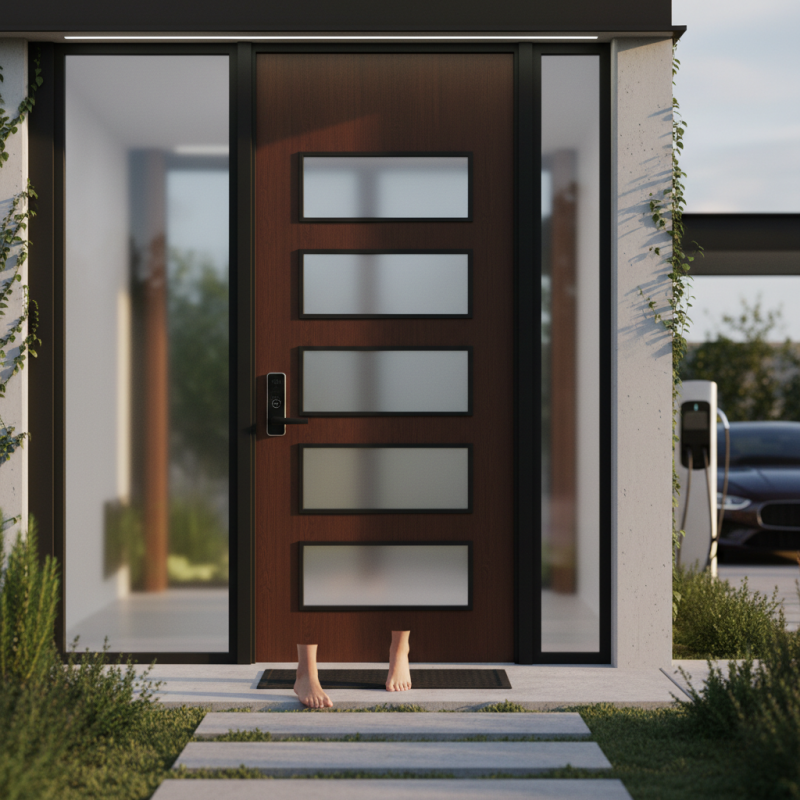
Understanding Energy Efficiency in Home Doors
When considering energy efficiency in home doors, it’s essential to understand how different factors contribute to their overall performance. Energy-efficient doors help minimize heat transfer, which can significantly reduce heating and cooling costs. Look for doors with a high R-value, which indicates better insulation properties. Materials play a crucial role as well; fibreglass and steel are typically better insulators than traditional wood.
Tips for choosing the right energy-efficient door include examining the door’s weatherstripping and seals. Ensure that they are tight and in good condition to prevent air leaks. Additionally, consider the door’s design—solid doors tend to offer improved energy efficiency compared to hollow-core options. If possible, choose doors that meet or exceed specific energy performance standards, as this will further enhance your home's overall energy efficiency.
Lastly, don’t overlook the importance of proper installation. Even the most energy-efficient door will underperform if it is not installed correctly. Be sure to work with professionals who understand the nuances of energy-efficient door installation to ensure optimal performance and maximized savings in your energy bills.
Key Features of Energy Efficient Doors
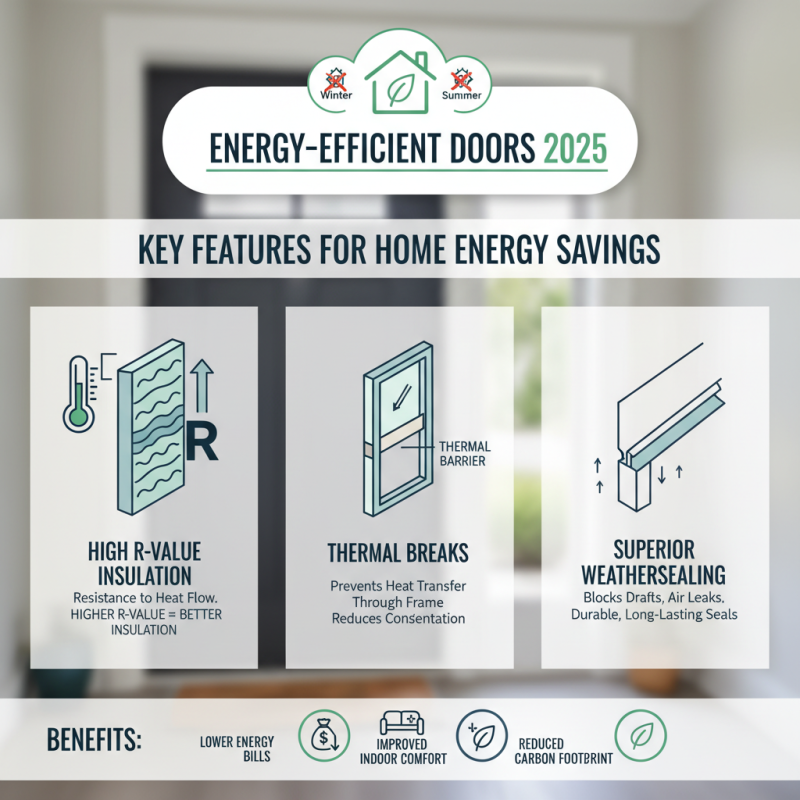
When selecting energy-efficient doors for your home in 2025, focusing on key features can greatly enhance your home's energy performance. Firstly, look for doors with high-quality insulation. A door's insulation property is typically measured by its R-value, which indicates its resistance to heat flow. The higher the R-value, the better the door insulates your home from external temperature changes. Ensure that the door you choose has strong thermal resistance to reduce energy costs and improve indoor comfort.
Another essential feature to consider is weather resistance. Energy-efficient doors should have robust seals and materials that create a tight barrier against drafts and moisture. Look for options with energy-efficient glazing if the doors include glass panels. Double or triple glazing with low-emissivity coatings can significantly reduce heat transfer, keeping your home cooler in the summer and warmer in the winter. Additionally, consider the door's lifecycle impact; materials with sustainable sourcing and longevity contribute to lower energy usage over time. By prioritizing these features, you can make informed choices that align with your energy efficiency goals.
Material Options for Energy Efficient Doors
When choosing energy-efficient doors for your home, the material plays a crucial role in both thermal performance and durability. One of the most popular options is fiberglass, which offers excellent insulation properties while closely resembling the look of wood. Its resistance to warping and cracking makes it an ideal choice for those looking to maintain energy efficiency without sacrificing aesthetics. Additionally, fiberglass doors often come with energy-efficient glazing options, further reducing heat transfer and contributing to a lower energy bill.
Another excellent material to consider is steel. Steel doors, when properly insulated, can provide superior energy efficiency and security. Their dense construction helps minimize air leaks, while modern designs can incorporate thermal breaks to prevent heat loss. Moreover, steel doors are highly durable and require less maintenance compared to wood, making them a practical and energy-saving choice for homeowners. It's important to ensure that any steel option has a high energy performance rating to maximize its efficiency benefits.
Lastly, wood remains a classic choice for entry doors, but it’s vital to select options treated with energy-efficient insulation techniques. Solid wood doors provide a warm aesthetic but should be paired with weather stripping and proper finishing to enhance their energy performance. The key is to balance beauty and functionality, ensuring that the materials chosen help to minimize energy consumption while adding value to your home.
Assessing Door Ratings and Certifications
When selecting energy-efficient doors for your home in 2025, understanding door ratings and certifications is crucial. These ratings provide insight into the door's performance in terms of insulation, air leakage, and overall energy efficiency. Look for doors that carry Energy Star certification, which indicates they meet strict energy efficiency guidelines set by the U.S. Environmental Protection Agency and the Department of Energy. This certification signifies that the door is designed to reduce energy costs while maintaining comfort in your home.
Additionally, pay attention to the door's U-factor and R-value, which measure thermal performance. The U-factor indicates the rate of heat transfer, with lower values representing better insulation. The R-value reflects the door's resistance to heat flow; higher values indicate increased energy efficiency. It's also beneficial to check for labels from organizations such as the National Fenestration Rating Council (NFRC), which provides standardized performance metrics, making it easier to compare products. By focusing on these ratings and certifications, you can make an informed decision that enhances your home's energy efficiency and contributes to a sustainable environment.
Energy Efficiency Ratings of Different Door Types
Tips for Installation and Maintenance of Energy Efficient Doors
When it comes to the installation of energy-efficient doors,
proper preparation is key to ensuring maximum performance and longevity.
Begin by carefully measuring the door frame to ensure a snug fit. This step is crucial,
as even small gaps can lead to drafts and energy loss.
If your existing door frame is in poor condition, consider repairing or replacing it before installing the new door.
Depending on the door's material, you may need to use specific tools or techniques for a successful fit,
so always consult the manufacturer's guidelines for installation methods.
Maintenance is equally important in preserving the energy efficiency of your doors.
Regularly inspect seals and weatherstripping for any signs of wear and tear,
replacing them as needed to prevent air leaks.
Cleaning the door surface with appropriate non-abrasive materials will ensure
that it remains in optimal condition and doesn't accumulate dirt or grime that could impact its efficiency.
Check the hinges and locks regularly, applying lubricant to ensure smooth operation.
By following these installation and maintenance tips,
you can enhance the performance of your energy-efficient doors,
contributing to a more sustainable home.