Top Tips for Choosing Energy Efficient Sliding Doors

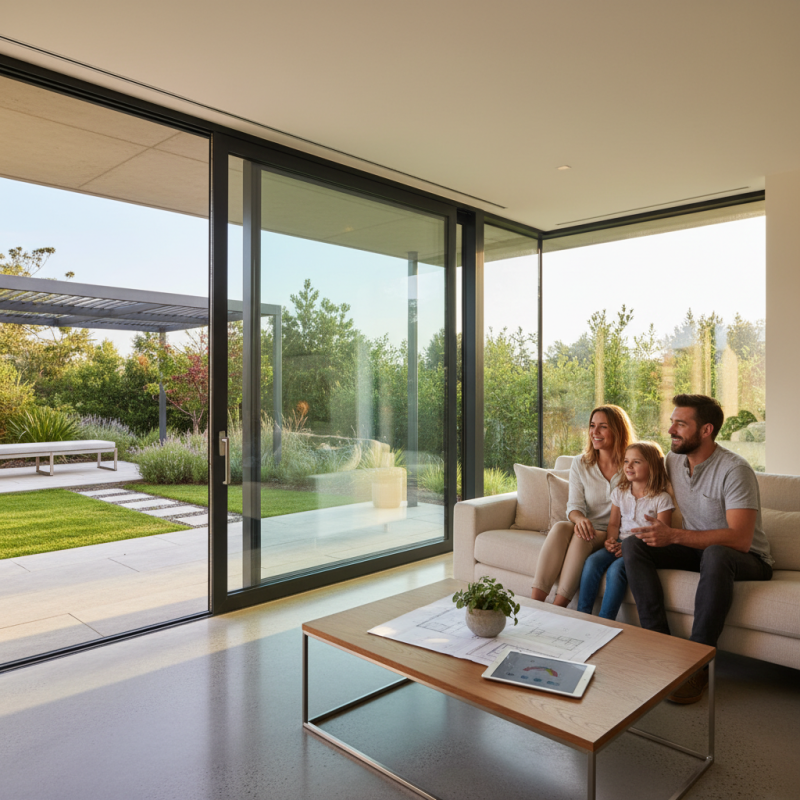
Choosing the right doors for your home can transform your living space. Energy efficient sliding doors offer a perfect blend of style and functionality. They are designed to minimize energy loss, making your home more comfortable and cost-effective.

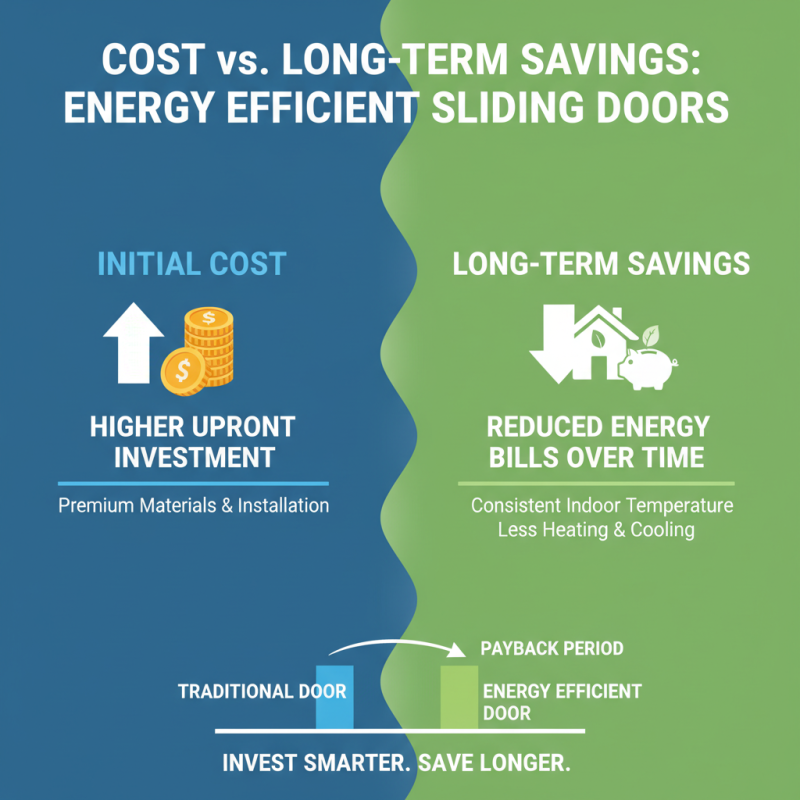
When selecting these doors, consider materials and insulation properties. Double-glazing and thermal breaks are key features to look for. The right choice not only reduces energy bills but also enhances your home’s aesthetic appeal. However, not all brands deliver on their promises, leading to confusion.

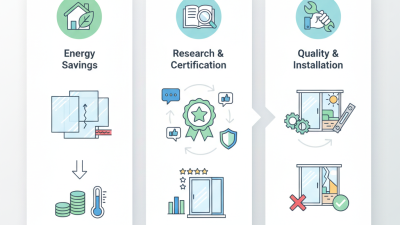
It’s essential to do your research. Look for products certified by energy efficiency ratings. Check reviews and seek recommendations to avoid potential pitfalls. Quality door installations can be a game changer, but the wrong choice may lead to regret. Embrace the benefits of energy efficient sliding doors while being mindful of your selections.

Top Tips for Choosing Energy Efficient Sliding Doors

Benefits of Energy Efficient Sliding Doors for Homeowners

Energy-efficient sliding doors offer numerous benefits for homeowners. They provide better insulation, reducing energy costs. Well-designed doors keep the cold air in during summer and warmth in winter. This balance leads to a more comfortable living space.

Moreover, these doors often come with double or triple glazing. This feature minimizes heat loss. They also help reduce outside noise. Imagine sitting in your living room, enjoying the peace without distracting sounds. Energy-efficient sliding doors allow for greater natural light, brightening your interiors without sacrificing efficiency. However, homeowners must ensure proper installation to reap these benefits fully.

Not all energy-efficient options are created equal. It’s vital to evaluate features carefully. Some styles may not fit well with particular home designs. The wrong choice can lead to aesthetic problems. Homeowners should think about both the functionality and visual appeal of these doors. It's an essential aspect of the selection process that shouldn't be overlooked.

Key Energy Efficiency Ratings to Consider When Choosing Sliding Doors

Choosing sliding doors with energy efficiency in mind is crucial for every homeowner. Consider ratings carefully before making a decision. The National Fenestration Rating Council (NFRC) sets key performance metrics. Among them, the U-factor indicates heat loss. A lower U-factor means better insulation. Ideally, aim for a U-factor of 0.30 or lower.

Look at the Solar Heat Gain Coefficient (SHGC) as well. This measures how much solar heat enters through the door. A SHGC of 0.25 or lower offers good protection against overheating. This is especially important in warmer climates. On the other hand, in cooler regions, a higher SHGC may be beneficial to harness passive solar heating.

While many options are available, performance can vary. Sometimes, even double-glazed doors don’t meet expectations. It's important to check for certifications. Ensure they match or exceed ENERGY STAR® standards. A common mistake is overlooking air leakage ratings. Even the most efficient doors can fail in this area. Consider all these aspects for more energy-efficient living.

Comparing Material Options: Vinyl, Aluminum, and Wood for Efficiency

When selecting energy-efficient sliding doors, the material plays a crucial role. Vinyl is popular due to its excellent insulation. It resists moisture and doesn't warp easily. However, it may not appeal to everyone’s aesthetic preferences. The color options are limited, which could be a downside for some homeowners.

Aluminum is another choice worth considering. It is lightweight and durable. This option provides a modern look and allows for larger glass panels. Yet, it conducts heat and cold, which can reduce energy efficiency. Insulated aluminum doors can solve this, but they come at a higher price.

Wood is classic and beautiful. It offers great insulation naturally. Wood can be customized and painted in any color. On the downside, it requires regular maintenance. Without care, wood can deteriorate. Each material has its strengths and weaknesses. Reflect on your priorities, such as efficiency versus maintenance. Choose wisely based on what fits your space and lifestyle.

Understanding the Role of Glazing in Energy Performance of Sliding Doors

When selecting sliding doors, the glazing type plays a critical role in energy efficiency. Double glazing is a popular choice. It can reduce heat loss by about 50% compared to single glazing. A report from the National Renewable Energy Laboratory highlights that upgrading from single to double glazing can yield energy savings of up to $500 annually for some households.

The gas fill between the panes also matters. Inert gases like argon or krypton improve insulation. Their low thermal conductivity prevents heat transfer. Homes with such glazing can maintain temperature better, leading to lower heating and cooling costs. However, the effectiveness of glazing can vary greatly based on installation quality. Poor installation may lead to drafts, reducing the expected energy savings.

Consider the U-value of the glass, which measures thermal performance. A lower U-value indicates better insulation. Opt for sliding doors with a U-value less than 1.0. This can significantly enhance energy efficiency. But remember, other factors like frame materials and alignment affect overall performance. Even the best glazing won't compensate for a poorly aligned door. Always review the complete design before making a decision.

Top Tips for Choosing Energy Efficient Sliding Doors - Understanding the Role of Glazing in Energy Performance of Sliding Doors

Tip Description Impact on Energy Efficiency Recommended Glazing Type
Choose Low-E Glazing Select sliding doors with low-emissivity (Low-E) glass to minimize heat transfer. Reduces heating and cooling costs significantly. Low-E coated double or triple glazing.
Consider Gas Fills Look for doors with insulated glass units filled with argon or krypton gas. Improves thermal performance and insulation. Triple glazing with gas fill.
Check the U-Factor Evaluate the U-factor of sliding doors to determine heat transfer effectiveness. Lower U-factors indicate better insulation and energy efficiency. U-factor of 0.30 or lower is ideal.
Consider Frame Materials Select frames made from energy-efficient materials like fiberglass or vinyl. Reduces thermal bridging, enhancing overall energy efficiency. Vinyl or fiberglass frames.
Consider Multi-Panel Systems Multi-panel sliding doors allow for more light and better insulation. Improves ambiance and reduces the need for artificial lighting. Systems with energy-efficient glazing.

Tips for Proper Installation to Maximize Energy Efficiency of Sliding Doors

Top Tips for Choosing Energy Efficient Sliding Doors

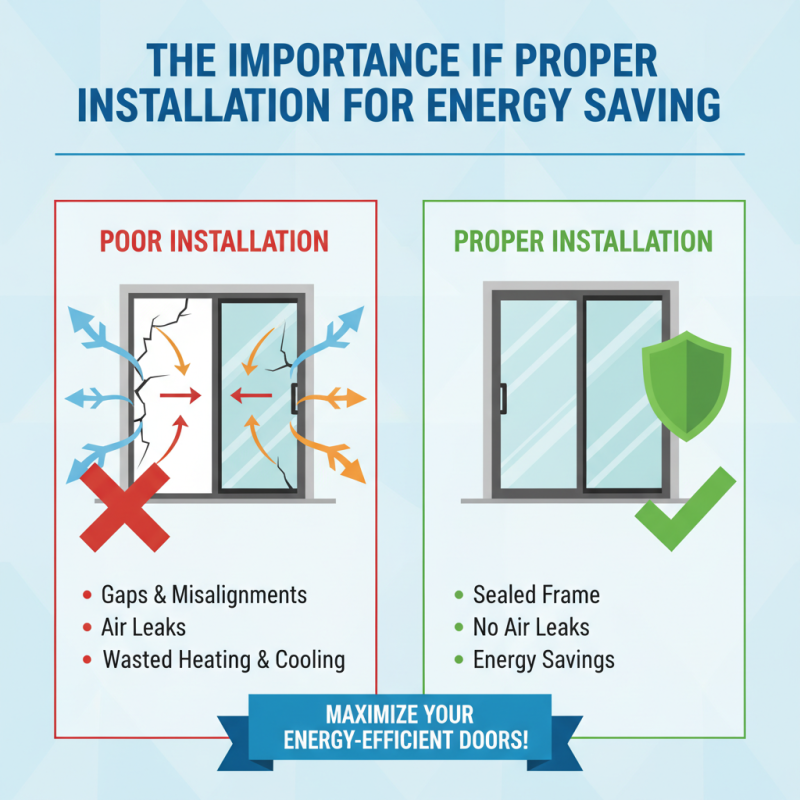
When installing sliding doors, proper alignment is crucial for energy efficiency. Misaligned doors can create gaps that let air escape. This can lead to higher energy bills over time. Take the time to check the tracks and ensure everything is level. Adjustments may seem tedious, but they make a significant difference in performance.

Weatherstripping is another key aspect. It seals gaps around the door and minimizes drafts. High-quality materials can last longer and provide better insulation. Make sure to inspect these seals regularly. If you notice wear or damage, replace them promptly. Small leaks can cause larger problems later.

Don’t overlook the importance of professional installation. While DIY can save money, it can also invite errors. Seek help if you're uncertain about the process. Installation mistakes can negate the benefits of energy-efficient doors. Investing in expert help can save you headaches in the future, ensuring your home remains comfortable and efficient.