Why Choosing the Right Home Windows and Doors is Essential for Energy Efficiency
Choosing the right home windows and doors is a critical decision that significantly impacts a household's energy efficiency. According to renowned industry expert, John Smith, a leading figure in the field of energy-efficient building solutions, "The quality of your home windows and doors can make or break your home's energy efficiency." This statement resonates in today's environment where energy costs are soaring, and homeowners are increasingly seeking ways to reduce their carbon footprints while enhancing comfort.
Home windows and doors not only serve as essential barriers against the elements but also play a vital role in regulating indoor temperatures. A well-insulated window or door can prevent drafts and heat loss, ensuring that your heating and cooling systems operate more efficiently. As homeowners become more conscious of their energy consumption, understanding the significance of these elements in home design becomes paramount. Investing in high-quality home windows and doors is not merely a design choice but a strategic move towards long-term savings and sustainability.
In an era where energy efficiency is paramount, making informed decisions about home windows and doors can lead to a more sustainable living environment and reduced energy bills. The right choices empower homeowners to create more comfortable spaces while contributing positively to the planet.
Understanding Energy Efficiency in Homes
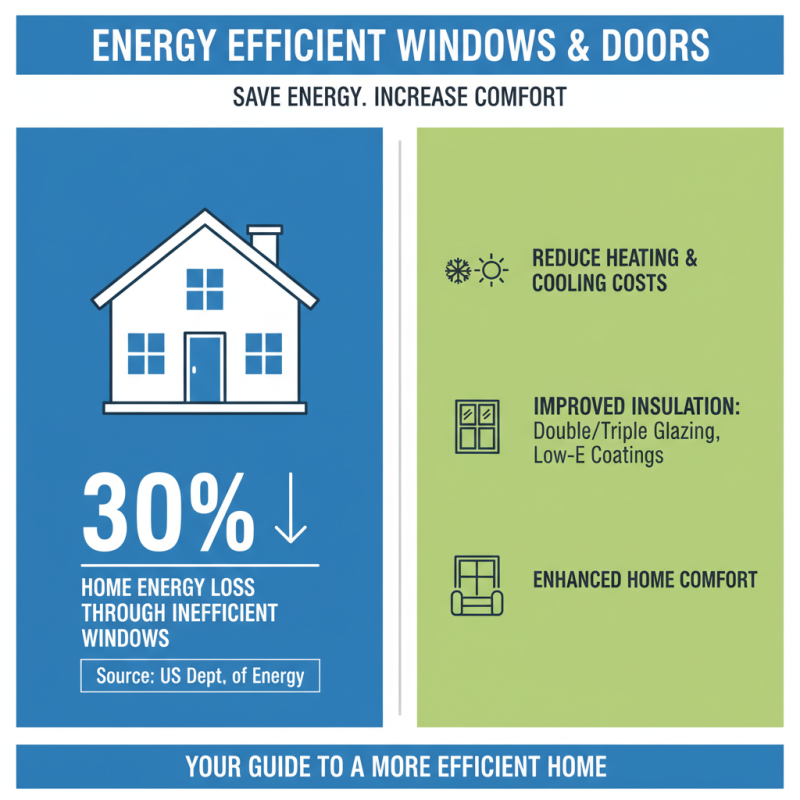
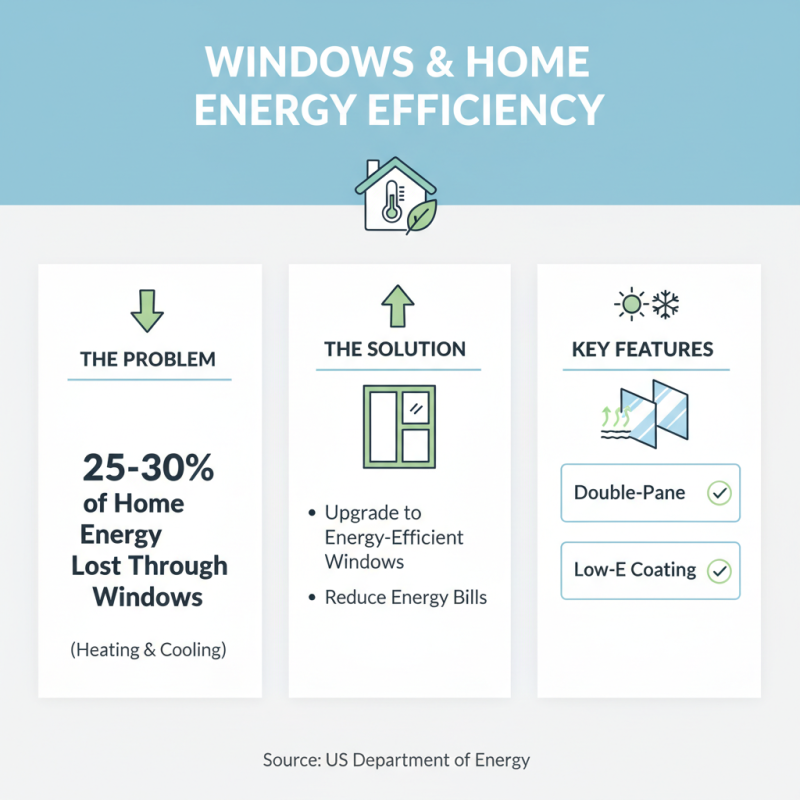
When considering energy efficiency in homes, selecting the right windows and doors plays a critical role. According to the U.S. Department of Energy, nearly 30% of a home's heating and cooling energy is lost through inefficient windows. This significant energy loss not only affects utility bills but also impacts overall home comfort. High-performance windows, which include double or triple glazing, low-emissivity (Low-E) coatings, and proper insulation, help in minimizing this energy drain, thereby enhancing the thermal performance of a home.
Tips for energy-efficient selections include opting for windows with a high Energy Star rating and ensuring that doors fit tightly in their frames to prevent air leakage. Additionally, the installation of energy-efficient products should be conducted during the right season; for instance, installing windows in warmer months allows for better sealing and fewer drafts. Furthermore, utilizing natural ventilation, in conjunction with energy-efficient windows, can optimize energy usage throughout the year.
It’s also worthwhile to consider the orientation and placement of windows. South-facing windows can harness passive solar gain during winter months, significantly reducing heating needs. The National Renewable Energy Laboratory suggests that strategic window placement, combined with energy-efficient materials, can lead to energy savings of up to 40% in a typical home. Balancing aesthetics and functionality in choosing windows and doors not only complements the architectural design but also fortifies energy conservation efforts, making a notable difference in household energy consumption.
The Role of Windows in Home Energy Consumption
Windows play a critical role in a home’s energy efficiency, significantly influencing heating and cooling costs. According to the U.S. Department of Energy, roughly 25-30% of residential heating and cooling energy is lost through inefficient windows. This statistic underscores the importance of selecting the right windows, as high-quality, energy-efficient models can dramatically reduce energy consumption. For instance, double-pane and low-emissivity (Low-E) windows can help minimize heat transfer, effectively keeping homes warmer in winter and cooler in summer.
Moreover, the selection of windows can also affect natural lighting and ventilation, which are essential components of a sustainable home environment. Industry reports indicate that homes designed with expansive, strategically placed windows can reduce reliance on artificial lighting by up to 30%. This not only cuts energy costs but also enhances the indoor living experience. Additionally, proper installation and maintenance of windows are crucial; poorly installed windows can lead to drafts and air leaks, negating any benefits gained from investing in energy-efficient models. Thus, making informed decisions about window selection and positioning is essential for optimizing home energy performance and ensuring long-term savings.
Choosing the Right Materials for Windows and Doors
Choosing the right materials for windows and doors is crucial for enhancing energy efficiency in homes. The selection of materials directly impacts insulation, durability, and overall energy performance. Common materials include wood, vinyl, fiberglass, and aluminum, each offering distinct advantages. For example, vinyl windows tend to provide excellent thermal insulation at a lower cost, while fiberglass frames are known for their strength and resistance to weathering. Understanding the energy efficiency ratings and properties of these materials can guide homeowners in making informed choices.
Tips for selecting window and door materials include considering your local climate—opt for materials that perform well under your specific weather conditions. Additionally, look for options with a high energy efficiency rating, such as low-E coatings, which help to reflect heat and keep your home comfortable year-round. Lastly, invest in double or triple-glazed windows; they are more effective at reducing energy loss compared to single-glazed options, thereby lowering energy bills over time.
Another important factor is maintenance; some materials require more upkeep than others. For instance, wooden frames may need regular painting or sealing to prevent rot, while vinyl options often come with minimal maintenance needs. Assessing both the aesthetics and functionality of materials will ensure that your windows and doors not only enhance energy efficiency but also complement the overall design of your home.
The Importance of Proper Installation Techniques
The installation of windows and doors plays a critical role in the overall energy efficiency of a home. According to the U.S. Department of Energy, approximately 30% of a home's heating and cooling energy can be lost through poorly installed windows and doors. This highlights the necessity of not just selecting energy-efficient products, but also ensuring they are installed correctly. Proper installation techniques minimize air leaks, which can significantly improve a home's insulation and reduce energy bills.
In addition, a report by the National Renewable Energy Laboratory shows that homes with properly installed windows and doors can achieve energy savings of up to 15%. This can result in substantial savings over time, with estimates suggesting that homeowners could save an average of $200 annually on their energy costs when efficiency standards are met through correct installation.
Moreover, the use of vapor barriers and insulating foams during the installation process is essential to prevent moisture accumulation, which can lead to long-term structural damage and increased energy consumption. By focusing on proper installation techniques, homeowners not only enhance their comfort but also contribute to broader energy conservation efforts.
Long-term Benefits of Energy-Efficient Windows and Doors
The choice of windows and doors in a home significantly impacts energy efficiency, leading to substantial long-term benefits. According to the Department of Energy, approximately 30% of a home’s heating energy is lost through inefficient windows. Energy-efficient windows are designed to minimize this loss by using technologies such as double glazing, low-emissivity coatings, and gas fills, which help retain heat in the winter and keep out heat in the summer. This translates into lower energy bills, offering homeowners an average savings of 10-25%, as reinforced by a report from the National Renewable Energy Laboratory.
Moreover, investing in energy-efficient doors enhances insulation and energy conservation, which is particularly important in regions with extreme weather. A study by the Lawrence Berkeley National Laboratory found that households could save around $400 annually on energy expenses through the installation of efficient doors. Over time, these savings accumulate, making the initial investment worthwhile. Additionally, many homeowners find that energy-efficient windows and doors increase the overall comfort of their living space, reducing drafts and maintaining a consistent interior temperature. In essence, selecting the right windows and doors is not only an aesthetic choice but an essential step towards long-term energy savings and comfort.
Energy Efficiency Benefits of Different Window and Door Types