How to Choose the Right Windows and Sliding Doors for Your Home?
When it comes to enhancing your home, choosing the right windows and sliding doors is essential. David Johnson, a leading expert in the windows and sliding doors industry, emphasizes, "The right choice can transform your space." This statement rings true as these features greatly influence both aesthetics and functionality.
Windows and sliding doors serve multiple purposes. They provide natural light, offer views, and improve ventilation. However, the options can be overwhelming. Different materials and styles can make it difficult to decide. You might find yourself wondering about energy efficiency or durability. Consider various factors, such as climate and personal style.
Finding the perfect fit may require some trial and error. Sometimes, a choice may not meet your expectations after installation. It's a journey that involves reflection and adjustment. The right windows and sliding doors can elevate your living experience, creating a welcoming atmosphere.
Understanding the Different Types of Windows and Sliding Doors
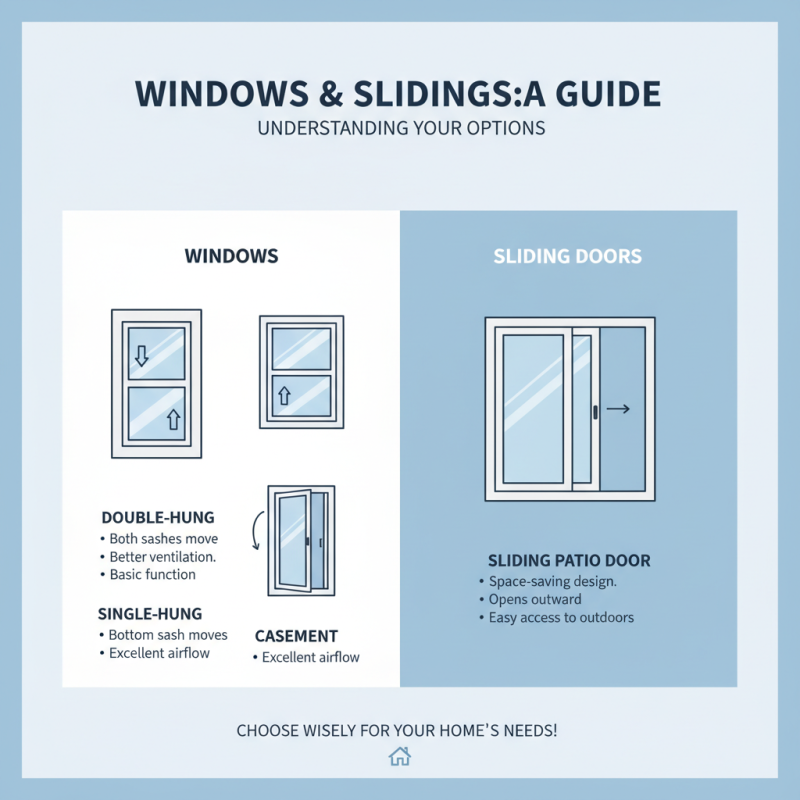
Choosing the right windows and sliding doors for your home involves understanding various types available on the market. Windows come in several forms such as single-hung, double-hung, and casement styles. Each type has its unique features. For instance, double-hung windows allow for better ventilation with both sashes operable. Meanwhile, casement windows open outward and are excellent for airflow.
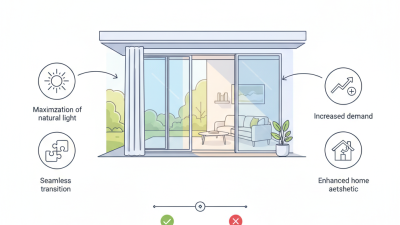
Sliding doors are another crucial aspect. They save space and offer a seamless transition between indoor and outdoor areas. Options include traditional sliding doors and newer lift-and-slide models. The latter provides enhanced insulation but might require more maintenance. It's important to consider the materials as well. Vinyl, wood, and aluminum options each have distinct advantages and drawbacks.
When selecting, think about your climate and energy efficiency. Not all windows or doors suit every environment. For example, wooden frames look beautiful but can warp in humid conditions. Always measure your space carefully. Mistakes in sizing can lead to costly adjustments later. Reflect on your lifestyle as well - do you need easy access to your outdoor space? Each decision shapes your home's comfort and aesthetics.
Assessing Your Home's Architectural Style and Needs
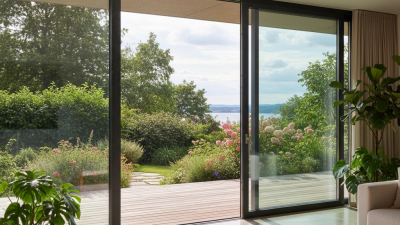
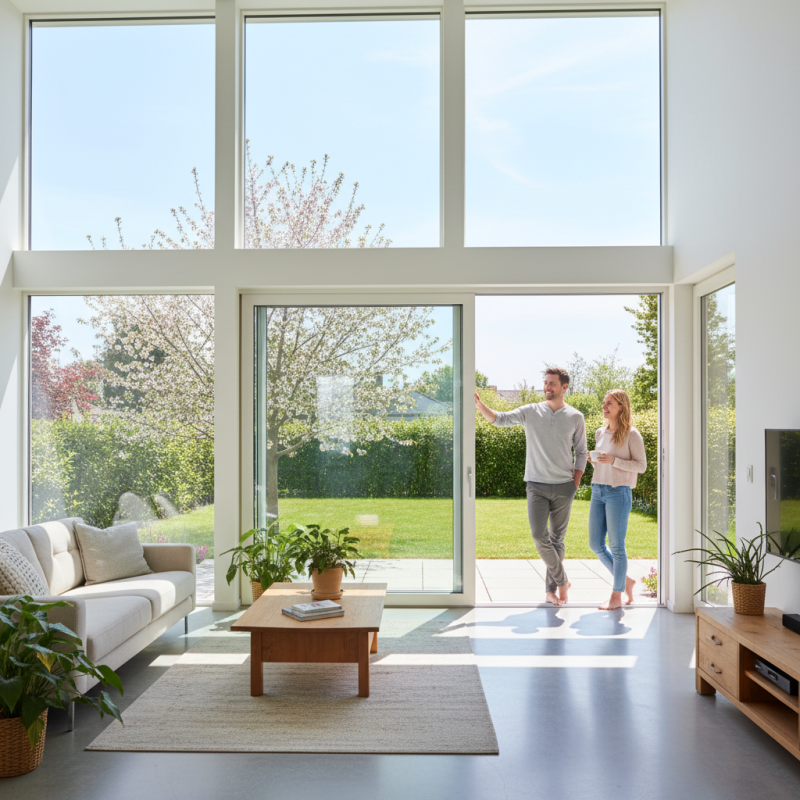
When choosing windows and sliding doors, consider your home's architectural style. Each home has a unique character and charm. Look at the overall design. A sleek modern house may pair well with large glass panels, while a traditional cottage might need smaller, divided panes. Balance is key.
Next, evaluate your needs. Do you prefer natural light? Large windows could brighten your space. However, think about privacy as well. Sometimes, smaller windows work better in cozy corners. Sliding doors can open up spaces, but ensure they fit well with the chosen style. Oversized doors can be striking but might overwhelm a smaller room.
Remember the practicality of maintenance. Some materials require more upkeep than others. Reflect on your lifestyle. If you have children or pets, durability is essential. You might be tempted by fancy designs, but function should not be overlooked. Balance aesthetics with what really works for your home.
Choosing the Right Windows and Sliding Doors: A Comparison of Styles
Evaluating Energy Efficiency Ratings for Windows and Doors
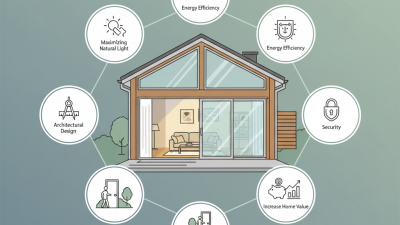
When choosing windows and sliding doors, energy efficiency is crucial. Look at the ratings. Energy Star labels indicate high efficiency. Check the U-factor, which measures insulation. A lower U-factor means better performance. Solar heat gain coefficient (SHGC) is another important number. It tells you how much heat comes in through the glass. Aim for a balance between light and heat control.
Don’t forget about materials. Vinyl, wood, and aluminum all have different energy performance. Vinyl tends to insulate better. Also, consider the type of glazing. Double or triple glazing can significantly improve efficiency. But think about your climate. In warmer areas, minimizing heat gain is a priority. In cooler climates, focus on retaining warmth.
Installation also matters. Poor installation can lead to drafts and higher energy bills. Take your time to find a skilled installer. Even the best products can underperform if installed incorrectly. Window treatments can also impact energy efficiency. Thick curtains or external shades might help reduce heat loss or gain. Reflect on these factors for the right choice.
Selecting the Right Materials for Durability and Aesthetics
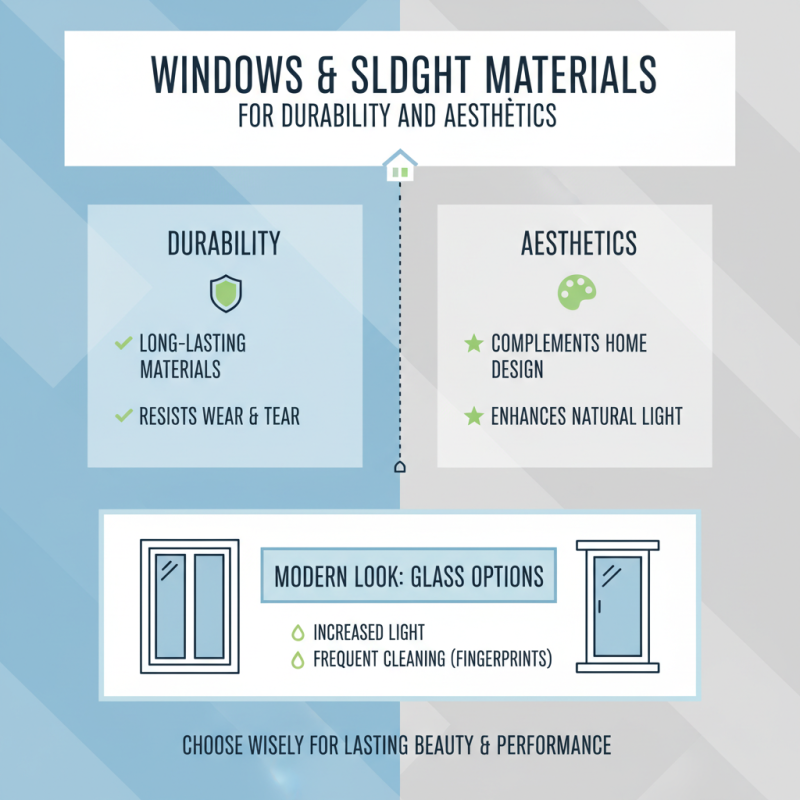
When selecting materials for windows and sliding doors, durability and aesthetics matter. Consider how these elements complement your home’s design. For a modern look, glass options can enhance natural light. However, they require frequent cleaning and can show fingerprints easily.
Vinyl frames offer a practical choice. They are resistant to weather and don’t need painting. But, color choices may be limited. Wooden options provide warmth and elegance, yet they demand regular maintenance to avoid rot and warping.
Think about energy efficiency too. Double or triple-glazed windows can reduce heating costs. However, they often come at a higher price. Assess your budget and lifestyle needs before making a decision. Prioritize both function and style, but remember, no option is perfect. Always weigh the pros and cons based on your individual preferences.
Considering Installation and Maintenance Factors for Longevity
When choosing windows and sliding doors, installation and maintenance are crucial for their longevity. According to a report by the American Architectural Manufacturers Association, improper installation can lead to a 30% decrease in lifespan. Sealing matters. Good insulation prevents drafts and moisture. Without it, you might face increased energy costs and damage.
Regular maintenance is also essential. Manufacturers recommend cleaning tracks and seals at least every six months. This simple task can prevent costly repairs. Issues like dirt accumulation can cause sliding doors to stick or misalign. In fact, nearly 40% of homeowners reported issues due to lack of upkeep.
Choosing durable materials is equally important. Vinyl windows can last up to 50 years with the right care, while wood requires regular painting or staining. Take time to reflect on your environment. For instance, homes in coastal areas need more resistance to salty air. Consider these factors to ensure your windows and sliding doors stand the test of time.
How to Choose the Right Windows and Sliding Doors for Your Home?
| Feature |
Windows |
Sliding Doors |
| Material |
Vinyl, Wood, Aluminum |
Vinyl, Aluminum, Glass |
| Energy Efficiency |
Double or Triple Glazing |
Low-E Glass Options |
| Maintenance |
Requires periodic sealing |
Easy cleaning, occasional lubrication |
| Security |
Multi-point locking system |
Reinforced frames, secure locks |
| Aesthetics |
Various styles and colors |
Sleek designs, customizable finishes |
| Cost |
$300 - $800 per window |
$400 - $1,200 per door |