What is the Difference Between Windows and Sliding Glass Doors?
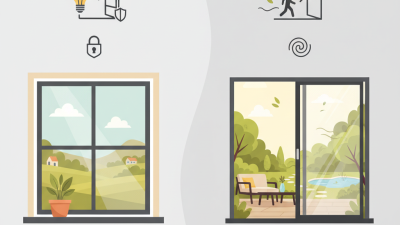
When choosing between windows and sliding glass doors, considerations abound. Industry expert John Miller states, “Understanding the differences can transform your home’s functionality and aesthetic.” Both items serve the purpose of bringing natural light into spaces. Yet, their designs and functionalities vary significantly.
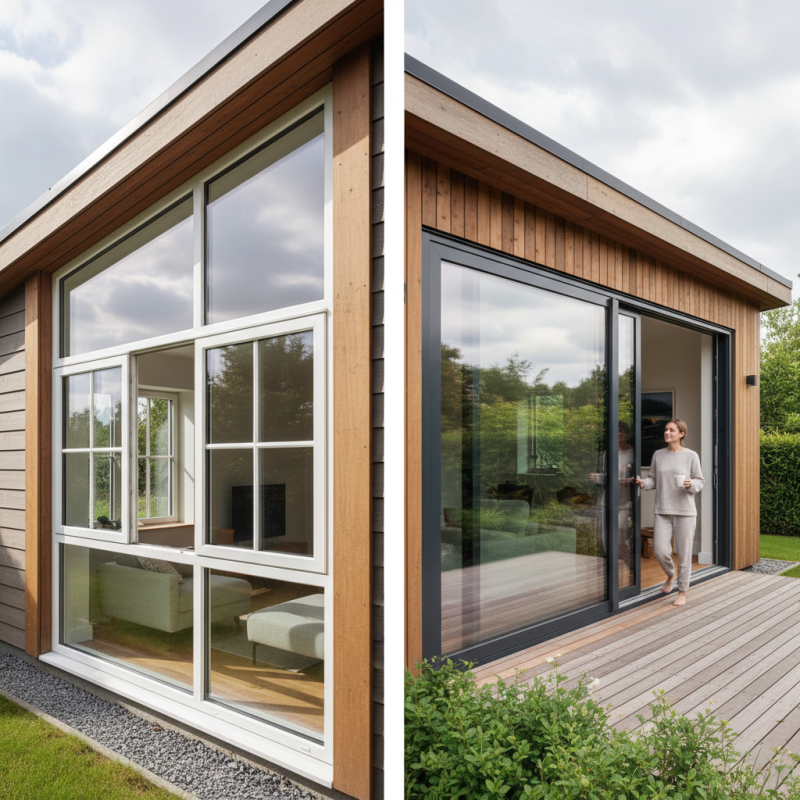
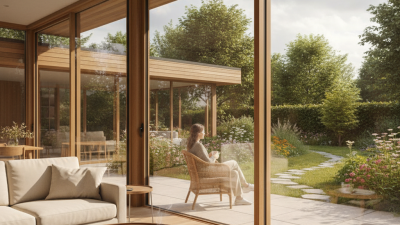
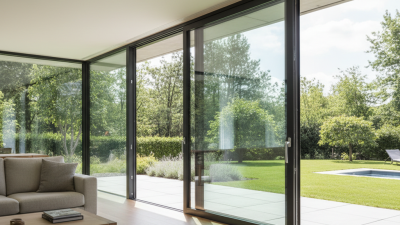
Windows are generally fixed structures. They provide ventilation and light but may not offer easy access to outdoor areas. Sliding glass doors, however, serve as both entrances and a source of light. They can make a room feel larger and connect indoor and outdoor areas seamlessly.
Choosing between windows and sliding glass doors can be complex. Many homeowners struggle to decide what suits their needs better. The balance between aesthetics and practicality often needs reflection. It's essential to consider how each option will serve your lifestyle.
Differences in Mechanisms: Windows vs. Sliding Glass Doors
When comparing windows and sliding glass doors, the mechanisms differ significantly. Windows typically open by pushing or lifting. They can be casement, double-hung, or awning styles. Each style serves a different ventilation purpose. Sliding glass doors, on the other hand, operate on a track system. They slide horizontally, offering a wide opening while saving space.
Consider the aesthetics of both options. Windows can enhance a room's charm, framing views beautifully. Sliding glass doors bring the outdoors in, allowing natural light to flood your space. They create an illusion of openness. However, a sliding door may require more maintenance. The tracks can gather dirt and debris, affecting function.
Tips: Keep the tracks of sliding doors clean. Regularly inspect hinges and locks. For windows, use a gentle cleaner to avoid scratches. Remember, your choice should reflect your lifestyle and space needs. Each option has its merits and drawbacks, and the best choice depends on personal preference. Each mechanism has its nuances; take time to consider what works for you.
Energy Efficiency Comparison: Windows and Sliding Glass Doors
When considering energy efficiency, both windows and sliding glass doors have unique characteristics.
Windows generally have better insulation compared to sliding doors. They can retain heat during the winter and keep it out in the summer. This helps maintain a steady indoor temperature. In contrast, sliding glass doors may have more air leakage. Their large openings can lead to higher energy costs if not properly sealed or insulated.
However, sliding glass doors can also be energy-efficient. Many models are available with double or triple glazing, which enhances insulation. They can bring more natural light into a space. This can reduce the need for artificial lighting during the day. Despite these advantages, improper installation might negate the benefits. A poorly fitted sliding door can become a source of drafts.
Ultimately, examining the specifics of each option is critical. Look into the materials used and the R-values of different products. An energy-efficient choice can greatly impact comfort and energy bills. It's essential to weigh these aspects carefully when making a decision.
Design Aesthetics: Choosing Between Windows and Sliding Glass Doors
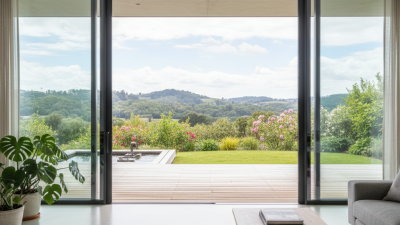
When considering design aesthetics, the choice between windows and sliding glass doors can significantly impact a space. Sliding glass doors create a seamless connection between indoor and outdoor areas. They provide a panoramic view and flood rooms with natural light. In fact, studies suggest that homes with more natural light can enhance mood and productivity by up to 15%.
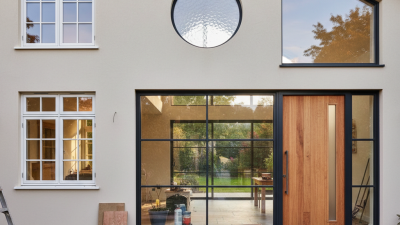
On the other hand, traditional windows offer a variety of designs. They can be crafted in numerous shapes, sizes, and styles. Windows often match different architectural themes better than sliding doors. This versatility can be essential in maintaining a cohesive look throughout your home. However, they generally do not provide the same level of accessibility to outdoor spaces as sliding doors do.
Tip: Think about how each option will affect your home’s flow. Consider how often you'll use your outdoor space. If you entertain frequently, sliding doors might be more appealing. For smaller rooms, a window’s simplicity could enhance the aesthetics without overwhelming the space. Balance is crucial in these choices; think deeply about your lifestyle and personal style.
Cost Analysis: Installation and Maintenance of Each Option
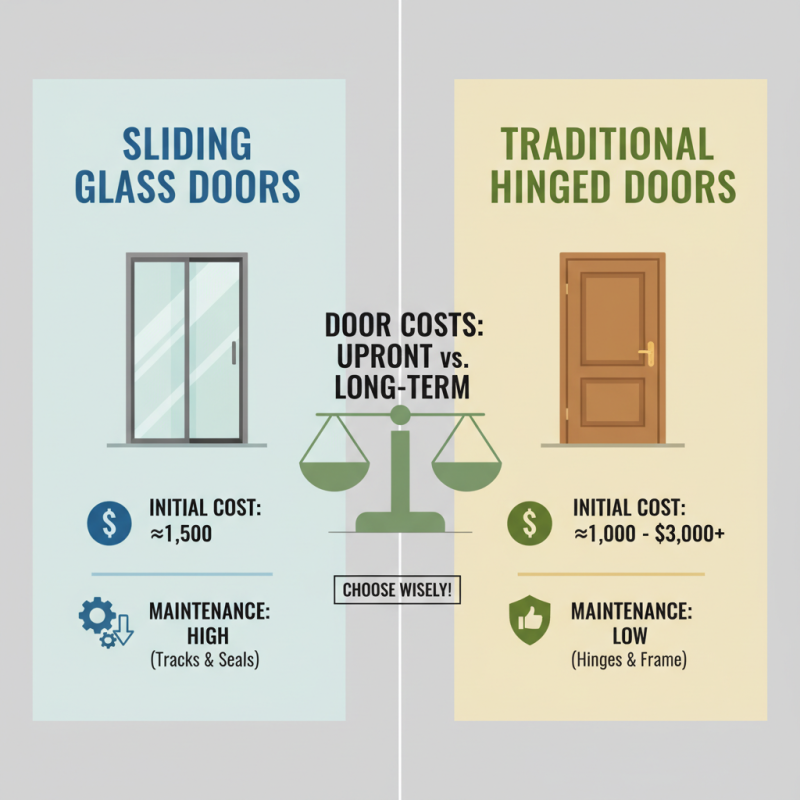
When considering doors, cost plays a critical role. Installation costs can vary widely. Sliding glass doors can be less expensive initially, averaging around $1,500. Yet, the long-term cost for maintenance should not be neglected. Reports indicate that sliding doors often require more regular upkeep to prevent track issues and seal leaks.
In contrast, traditional windows typically range from $600 to $2,000. Maintenance for these installations is generally lower. With proper care, they can last longer without significant wear and tear. In a recently published data report, professionals noted that homeowners spend about 15% more on sliding glass doors over five years compared to traditional windows.
The choice may also rely on personal preferences. If aesthetics and view matter, sliding doors win. However, if durability and upkeep matter more, windows could be better. Understanding these costs deeply affects decision-making. Evaluating your priorities can lead to a more informed choice, even if it takes time.
Security Features: How Windows and Sliding Doors Protect Your Home
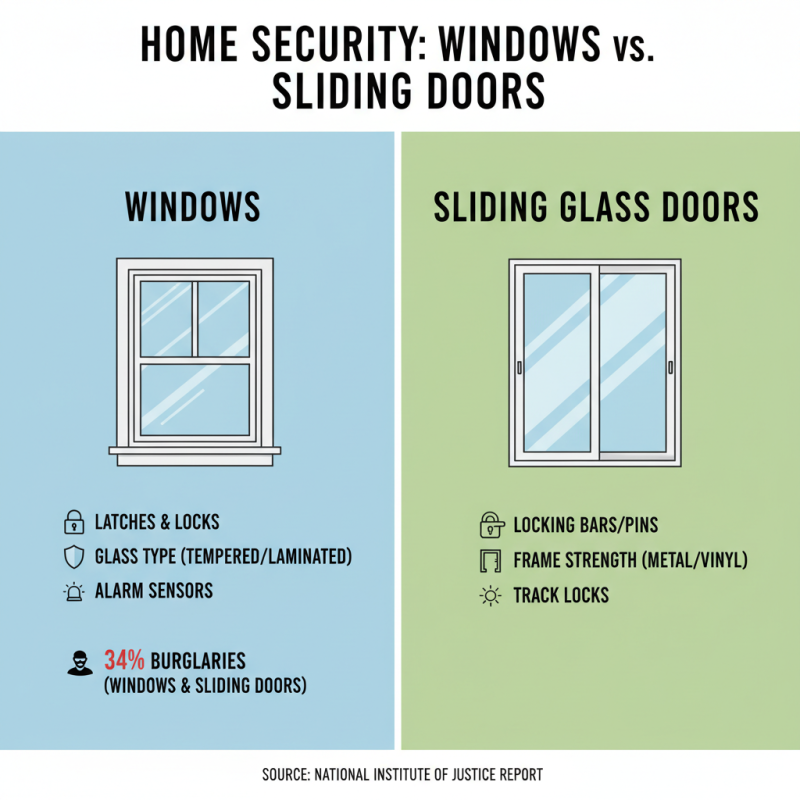
When considering home security, the difference between windows and sliding glass doors plays a crucial role. Both serve as entrances for light and air, but they offer varying levels of protection. According to a report by the National Institute of Justice, about 34 percent of burglars enter homes through first-floor windows and sliding doors. The design and materials of these openings significantly impact their security features.
Windows often come with multi-point locking systems, which enhance their resistance to forced entry. High-quality locks are essential. Factors like glass thickness also matter—thicker, tempered glass is harder to break. Meanwhile, sliding doors, while providing aesthetic appeal, can be vulnerable. Many manufacturers recommend installing security bars or additional locks. These can deter casual break-ins but may not withstand determined attempts.
Lighting is an overlooked aspect too. Studies show that well-lit entrances deter 30 percent of intruders. Motion sensor lights near sliding doors and windows offer an extra layer of security. However, improper placement can leave dark corners. Homeowners should assess their property layout. Identifying weaknesses is vital. Security features are only effective when strategically used.