Top 10 Energy Efficient Sliding Doors for Save on Energy Bills
In today's world, where energy conservation is more crucial than ever, homeowners are constantly seeking effective solutions to reduce their energy bills. One of the most impactful choices you can make is investing in energy efficient sliding doors. These innovative designs not only enhance the aesthetic appeal of your home but also significantly improve insulation, helping to maintain a comfortable indoor temperature year-round. By minimizing heat loss in winter and reducing heat gain in summer, energy efficient sliding doors ensure that your heating and cooling systems work more effectively, leading to long-term savings.
As property owners become increasingly aware of the importance of sustainability, the demand for energy efficient sliding doors continues to rise. With various designs and materials available, these doors offer a blend of functionality and elegance that suits any home style. Selecting the right doors can help reduce reliance on air conditioning and heating, thus contributing to lower energy consumption and a smaller carbon footprint. In this article, we will explore the top 10 energy efficient sliding doors that can help homeowners achieve their energy-saving goals while enhancing their living spaces. By understanding the features and benefits of these doors, you can make an informed choice that aligns with both your aesthetic preferences and your commitment to environmental mindfulness.
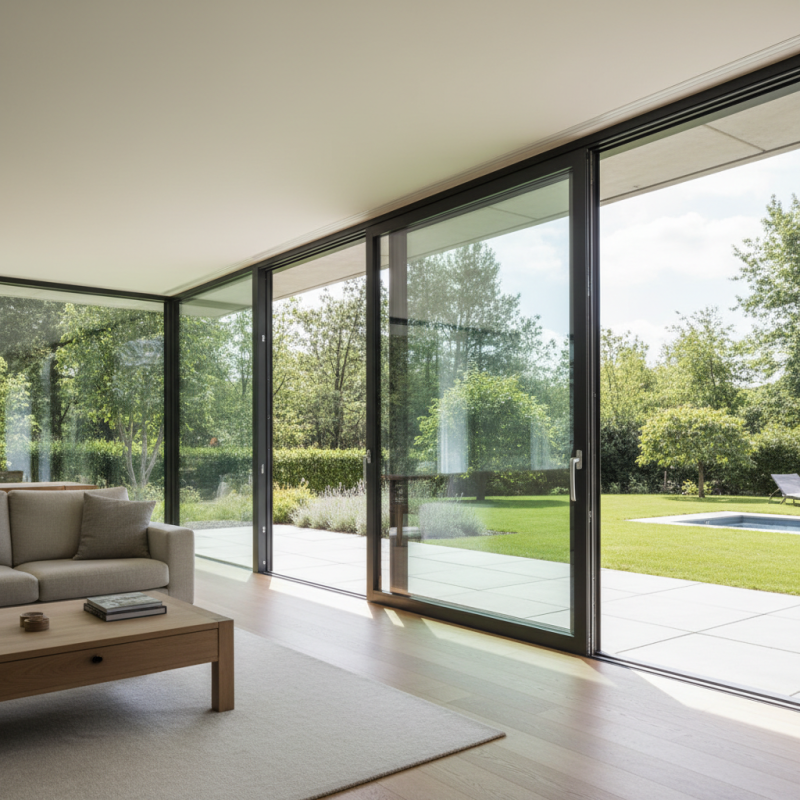
Top Features to Look for in Energy Efficient Sliding Doors
When selecting energy-efficient sliding doors, there are several key features to consider that can significantly affect your energy bills. First and foremost, look for doors with dual or triple-pane glass. These multi-layered options provide improved insulation by creating an air barrier that helps maintain interior temperatures. In addition, low-emissivity (Low-E) coatings can further enhance energy efficiency by reflecting heat back into your home during winter and keeping it out during summer.
Another essential feature is the quality of the frame. Choose sliding doors made from materials with good thermal performance, such as fiberglass, vinyl, or treated wood. These materials reduce thermal bridging, which can cause energy loss. Additionally, ensure that the doors have weather stripping and are fitted tightly to prevent drafts.
Tips for maximizing energy efficiency include regularly inspecting and maintaining the seals around your sliding doors to ensure they remain airtight. Consider adding curtains or shades to further reduce heat transfer, especially during extreme weather conditions. Lastly, installing sliding doors that open to a south-facing patio can harness natural light while shielding your home from the cold northern winds, enhancing your overall energy savings.
Top 10 Energy Efficient Sliding Doors
This chart illustrates the energy efficiency ratings of different sliding door styles. The ratings are based on factors such as insulation, materials used, and design effectiveness in reducing energy consumption.
Understanding U-Factors and Their Impact on Energy Efficiency
When considering energy-efficient sliding doors, understanding the U-factor is crucial in determining their performance and impact on energy bills. The U-factor measures the rate of heat transfer and insulation effectiveness; it is expressed in units of BTU/hr·ft²·°F. A lower U-factor indicates better insulation properties, meaning less heat escapes during colder months and less heat enters during warmer ones. According to the U.S. Department of Energy, selecting doors with a U-factor of 0.30 or lower can significantly reduce heating and cooling costs, as these doors can keep homes more comfortable and reduce reliance on HVAC systems.
In a study conducted by the National Fenestration Rating Council (NFRC), sliding doors with superior U-factors can result in energy savings of 10-25% compared to standard models. Incorporating advanced glazing technology and better framing materials enhances the U-factor of sliding doors, making them a viable option for homeowners looking to save on energy bills. Furthermore, as energy codes evolve, understanding U-factors helps homeowners make informed decisions about renovations, with many new building codes mandating energy-efficient windows and doors that meet stringent U-factor standards.
Comparing Energy Star Ratings for Sliding Doors: What You Need to Know
When considering energy-efficient sliding doors, one essential aspect to pay attention to is the Energy Star rating. This rating signifies that the door meets stringent energy efficiency guidelines set by the U.S. Environmental Protection Agency. A higher Energy Star rating indicates better thermal performance, helping to keep your home comfortable while reducing energy consumption and lowering utility bills. Therefore, when shopping for sliding doors, look for models with high Energy Star ratings to ensure you're making a wise investment in energy efficiency.
In addition to the Energy Star ratings, it is vital to consider the materials and design features of the sliding doors. Doors made from insulated materials and those with double or triple glazing can significantly impact the overall energy efficiency of your home. Features such as low-emissivity (Low-E) glass can further enhance insulation by reflecting heat back into your home during winter and keeping it out during summer. By taking into account both the Energy Star rating and the construction characteristics of the sliding doors, homeowners can effectively reduce their environmental footprint and save on energy costs.
Top 10 Energy Efficient Sliding Doors for Save on Energy Bills - Comparing Energy Star Ratings for Sliding Doors: What You Need to Know
| Model |
Energy Star Rating |
U-Factor |
Solar Heat Gain Coefficient |
Price Range |
| Sliding Door A |
Star Rating 6 |
0.25 |
0.23 |
$800 - $1,200 |
| Sliding Door B |
Star Rating 5 |
0.29 |
0.25 |
$700 - $1,000 |
| Sliding Door C |
Star Rating 4 |
0.32 |
0.28 |
$600 - $900 |
| Sliding Door D |
Star Rating 6 |
0.24 |
0.22 |
$900 - $1,300 |
| Sliding Door E |
Star Rating 5 |
0.30 |
0.24 |
$750 - $1,100 |
| Sliding Door F |
Star Rating 4 |
0.35 |
0.30 |
$500 - $800 |
| Sliding Door G |
Star Rating 6 |
0.23 |
0.21 |
$950 - $1,400 |
| Sliding Door H |
Star Rating 5 |
0.31 |
0.26 |
$700 - $1,000 |
| Sliding Door I |
Star Rating 6 |
0.22 |
0.20 |
$1,000 - $1,500 |
| Sliding Door J |
Star Rating 5 |
0.29 |
0.25 |
$850 - $1,200 |
Materials Matter: Best Choices for Insulation in Sliding Doors
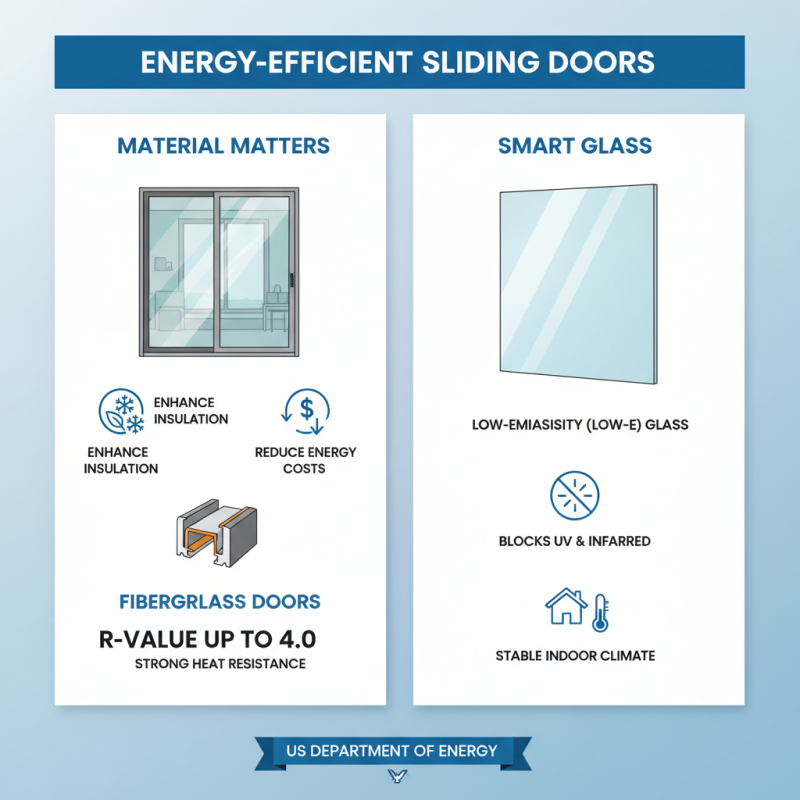
When considering energy-efficient sliding doors, the choice of materials is crucial to enhancing insulation and reducing energy expenses. According to the U.S. Department of Energy, choosing the right materials can significantly impact a home’s energy performance. For instance, doors made from fiberglass or low-emissivity (Low-E) glass can provide excellent insulation properties, allowing homeowners to maintain a stable indoor climate while minimizing energy consumption. Fiberglass sliding doors, in particular, have been shown to offer R-values as high as 4.0, which indicates a strong resistance to heat flow, ultimately leading to lower heating and cooling costs.
In addition to fiberglass, vinyl is another material that stands out for its insulating capabilities. Research published by the National Association of Home Builders indicates that vinyl-framed doors contribute to better energy efficiency when paired with insulated glazing. These doors can help reduce thermal bridging, keeping indoor temperatures consistent and lessening reliance on HVAC systems. The energy savings from using these materials can be substantial, with a potential reduction in energy bills by up to 20% annually, making them a smart choice for homeowners looking to invest in long-lasting, energy-efficient solutions.
Long-Term Savings: How Energy Efficient Doors Lower Monthly Bills
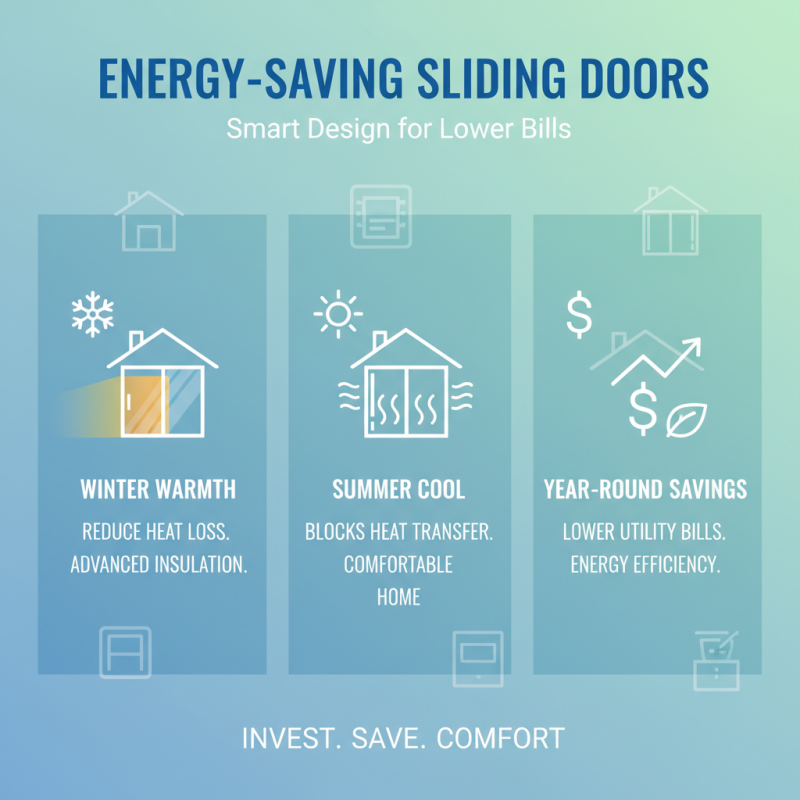
Choosing energy-efficient sliding doors is a crucial step towards achieving long-term savings on your energy bills. These doors are designed with advanced materials and technologies that significantly reduce heat loss in the winter and keep homes cooler during the summer. By minimizing the amount of air that escapes or enters through doors, homeowners can maintain a comfortable indoor temperature without overworking heating and cooling systems. This efficiency ensures that less energy is consumed, which directly translates to lower monthly utility bills.
Moreover, energy-efficient sliding doors often feature double or triple glazing, which enhances insulation. This extra layer not only helps in maintaining temperature but also reduces noise pollution, contributing to a more tranquil home environment. Additionally, many energy-efficient sliding doors come with low-emissivity (Low-E) glass, which reflects heat back into the home during winter and deflects unwanted heat during summer. By investing in these types of doors, homeowners not only save money in the long run but also contribute to environmental sustainability by reducing energy consumption.