Choosing Flame Retardant Polyester requires more than comparing product labels or prices. The right fabric must match its end use, construction, performance targets, and testing requirements. A curtain, protective workwear panel, and automotive interior face different risks. Each application demands careful evaluation.
Experienced textile buyers usually begin with the fiber specification. Check the polymer type, flame-retardant method, fabric weight, yarn structure, and finishing process. Inherent flame-retardant polyester can retain protection after repeated washing, while treated polyester may depend heavily on surface chemistry and finishing quality. This difference matters. Request technical data, test reports, and washing results from the supplier. Confirm that the reports apply to the actual fabric, not only a similar sample. Small details can change performance.
Look closely at the fabric itself. A dense, even surface may reduce rapid flame spread, while loose construction can create unexpected behavior. Rub the material, inspect the selvage, and examine color consistency under strong light. Also consider strength, comfort, moisture management, shrinkage, and long-term durability. Flame resistance alone is not enough. It is easy to overvalue a laboratory result and overlook daily use.
Reliable selection also requires checking the relevant standards for your market and application. Testing should be performed by competent, traceable laboratories whenever possible. Suppliers should explain test conditions clearly, including ignition method, exposure time, and after-flame behavior. No material is perfect. Even strong data needs practical validation. A thoughtful choice balances safety, performance, cost, and honest evidence. That balance protects both the product and the people who depend on it.
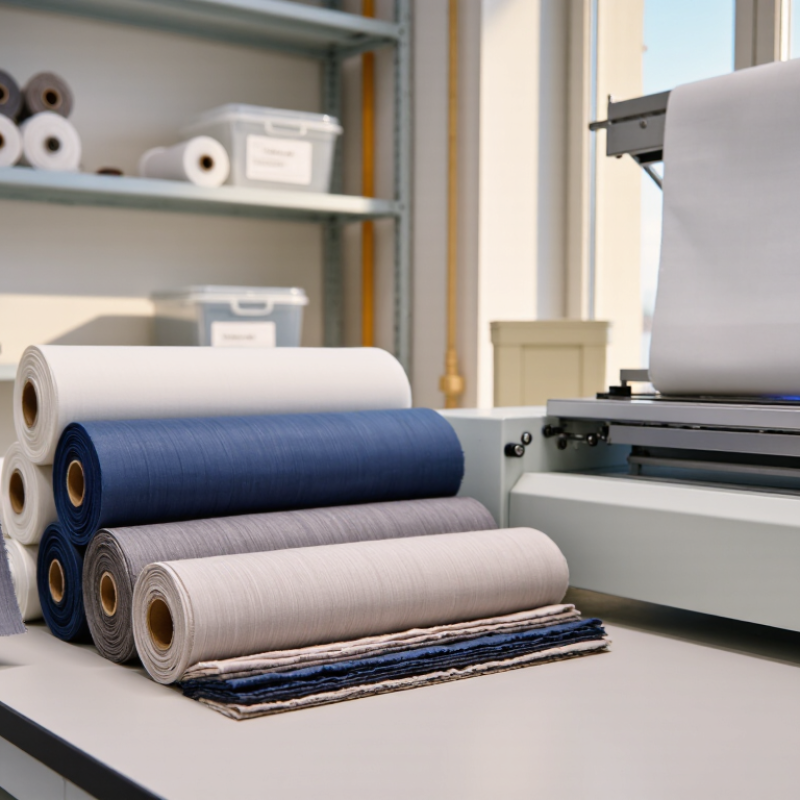
Choosing flame retardant polyester starts with understanding how protection is built into the fiber. Inherently flame retardant polyester uses reactive phosphorus compounds during polymer production. Its resistance usually remains after repeated washing. Additive FR polyester uses a compound blended into the polymer or applied as a finish. Its durability can vary after abrasion, heat, or laundering. Some fabrics combine FR and conventional polyester to balance cost, strength, and appearance. The blend ratio matters.
In practical fabric trials, inspect ignition, afterflame time, char length, and molten dripping. A fabric that self-extinguishes quickly may still fail because of long char damage. Limiting oxygen index helps compare materials, but it cannot replace end-use testing. Check the test method, conditioning, fabric weight, and washing cycle. A dry, lightweight sample may not represent a damp upholstery cover. Reliable documentation should identify the fiber type, treatment, test date, and test conditions.
Other properties deserve equal attention. Flame resistance is only one part of performance. Evaluate tensile strength, seam slippage, pilling, colorfastness, moisture behavior, and hand feel. For curtains, dimensional stability and low dripping may be critical. For protective clothing, heat transfer and garment construction need closer review. A laboratory sheet can look excellent, yet the fabric may feel too stiff during production. That is a useful warning. Request sample yardage and repeat testing after realistic care cycles. No single polyester type fits every application.
How to Choose Flame Retardant Polyester?
Identify the Required Flame Resistance and Safety Standards
Start with the product’s real environment. Curtains, upholstery, workwear, and insulation face different ignition risks. NFPA’s Fire Loss in the United States During 2023 reported 1,504,500 fires and 3,670 civilian fire deaths. These figures show why a “flame retardant” label is not enough. Ask for test conditions, fabric weight, after-flame time, char length, and smoke observations. Small details matter.
Select standards that match the finished application. NFPA 701 is commonly used for draperies, curtains, and textile materials. ISO 6940 and ISO 6941 evaluate ignition and flame spread on textiles. EN 13501-1 supports reaction-to-fire classification for construction products, but it should not replace textile-specific testing. A polyester fabric passing one method may fail another. I would not treat one certificate as universal proof. That assumption needs review.
Tips: Request reports from an accredited laboratory, not only supplier claims. Test the finished fabric after dyeing, coating, washing, and aging. Check the exact standard edition and specimen direction. Keep a sample from every production batch. A practical comparison table helps: end use, target market, test method, pass criteria, and renewal date. Also examine comfort and durability; excessive chemical treatment can affect hand feel, color, or cleaning performance. Safety comes first, but performance still matters.
| Application | Typical Product | Relevant Standard or Test Method | Main Performance Indicator | Suggested Resistance Level | Selection Guidance |
|---|---|---|---|---|---|
| Residential Upholstery | Sofa fabric, chair covering, decorative home textiles | CAL TB117-2013 Residential upholstered furniture requirements | Smoldering resistance of covered foam and upholstery materials | Basic | Choose a polyester fabric and composite construction that are tested together. A fabric that passes a separate test may not ensure compliance when combined with foam, batting, thread, and the final cover. |
| Commercial Upholstery | Office seating, hotel furniture, public-area cushions | ASTM E1353 / ASTM E1537 Commonly used for seating assemblies, depending on the specification | Ignition and heat-release behavior of complete seating assemblies | Medium | Request test evidence for the complete furniture assembly. Pay attention to foam type, fabric weight, seam construction, and barrier layers rather than selecting fabric by fiber name alone. |
| Curtains and Draperies | Stage curtains, hotel drapes, public-building window coverings | NFPA 701 Textile and film flame-propagation tests | Flame propagation, char length, afterflame, and flaming debris, according to the applicable test method | Medium | Confirm whether the fabric construction falls under NFPA 701 Test Method 1 or Test Method 2. The required method depends on fabric weight, construction, and end use. |
| Wall and Ceiling Textile Finishes | Acoustic panels, stretched fabric systems, decorative textile surfaces | ASTM E84 Surface-burning characteristics of building materials | Flame spread index and smoke-developed index | High | Use a listed or tested system where required. The substrate, adhesive, air gap, backing, and installation method can significantly change the result, so the installed assembly must match the tested configuration. |
| Public Transport Interiors | Seat upholstery, wall coverings, ceiling textiles, curtains | EN 45545-2 Railway applications: fire protection requirements | Ignitability, flame spread, heat release, smoke, and toxic gas criteria by hazard level and product category | High | Identify the vehicle hazard level and product requirement set before choosing the polyester. Compliance is assigned by application category and test evidence, not by a generic “FR polyester” description. |
| Aircraft Cabin Textiles | Seat covers, curtains, sidewall textiles, carpets, decorative fabrics | 14 CFR §25.853 Aircraft cabin interior flammability requirements | Vertical burn behavior, afterflame time, burn length, and flaming-drip requirements as applicable | High | Use aviation-qualified materials with traceable test reports. Verify the exact requirement for the component because seat cushions, curtains, panels, and insulation materials may be evaluated differently. |
| Marine and Shipboard Interiors | Cabin curtains, upholstery, wall coverings, bedding and decorative textiles | IMO FTP Code, Part 7 Tests for vertically supported textiles and films | Ignition, flame spread, afterflame, afterglow, and flaming debris | Marine | Check the vessel flag-state and classification requirements. Marine approval may require specific construction, approved components, production control, and documentation in addition to fabric test results. |
| Protective or Industrial Clothing | Workwear, welding garments, heat-exposure clothing | ISO 11612 Clothing to protect against heat and flame | Limited flame spread plus heat-transfer performance, depending on the declared code letter | High | Do not use furnishing-fabric data for protective clothing. Select a garment design tested as a complete system, including fabric layers, closures, seams, thread, and accessories. |
| General Textile Screening | Woven or knitted polyester fabric under early-stage evaluation | ASTM D6413 Vertical flame resistance of textiles | Afterflame time, afterglow time, char length, and molten or flaming behavior | Screening | Use this method for comparative development and quality control. It does not automatically demonstrate compliance with a building, aviation, marine, furniture, or transport regulation. |
| European Building Textile Classification | Textile wall coverings, curtains, interior decorative products | EN 13501-1 Reaction-to-fire classification | Classification such as A1, A2, B, C, D, E, or F, with additional smoke and flaming-droplet ratings where applicable | Project-Specific | Determine the required Euroclass from the building regulation and installation location. A classification applies to the tested product configuration, including backing, mounting, and fixing method. |
How to Choose Flame Retardant Polyester?
Compare Fiber Composition, Treatments, and Manufacturing Methods
Fiber composition should be your first checkpoint. Inherent flame retardant polyester contains flame-resistant chemistry within the polymer structure. Its performance usually lasts longer than a surface finish. Treated polyester depends on coatings or chemical applications. Washing, abrasion, and flexing may gradually reduce protection. Textile Exchange’s Materials Market Report 2024 states that polyester represented about 57% of global fiber production in 2023. That scale makes small specification errors surprisingly significant.
Manufacturing method also changes the final result. Copolymerized polyester integrates flame-resistant components during polymer production. Additive masterbatch methods disperse materials during melt spinning. Uneven dispersion can create weak points in yarn performance. Fabric density, yarn twist, and knitting tension matter too. A dense fabric may resist flame spread better, but it can feel heavy and warm. I once favored the highest test result, yet ignored comfort during extended wear. That was poor judgment.
Ask suppliers for test conditions, not only pass certificates. Request washing cycles, specimen weight, ignition duration, and after-flame results. ISO 15025 evaluates limited flame spread, while ISO 14184-1 addresses formaldehyde content. These tests answer different questions. The European Commission’s Joint Research Centre has repeatedly emphasized that textile safety depends on intended use and exposure conditions. A treatment can look effective in a laboratory and disappoint in production. Small trials, repeated laundering, and seam testing reveal more than a single headline number.
Comparing fiber composition, flame-retardant treatment, and manufacturing method
Indicative LOI values are representative midpoints commonly reported for polyester fiber types. Actual results depend on polymer formulation, fiber fineness, fabric construction, additives, and test conditions. LOI is commonly evaluated using ASTM D2863 or ISO 4589-2.
Choosing flame retardant polyester requires more than reading a product specification. Check the fabric’s test results, intended use, and washing conditions. Flame resistance should remain effective after repeated laundering, abrasion, and heat exposure. Ask for results from recognized testing laboratories. A supplier’s test method should match your market and application.
Durability affects safety and cost. Inspect seam strength, pilling resistance, color stability, and shrinkage after washing. A fabric may pass a flame test yet fail during daily wear. That matters. I recommend testing samples in realistic conditions, such as machine washing, bending, and prolonged sitting. A high test score can still disappoint in practice.
Comfort also deserves careful attention. Dense polyester may feel warm, stiff, or noisy against the skin. Check breathability, moisture movement, stretch, and surface softness. Environmental impact needs equal scrutiny. Consider recycled content, chemical management, production energy, and expected service life. Longer use can reduce replacement waste, but recycling may be difficult when finishes or blended fibers are present. Request clear documentation instead of relying on broad environmental claims. The best choice may involve compromise, and that compromise should be recorded honestly.
Choosing flame retardant polyester starts with the supplier, not the price. Textile Exchange’s 2024 Materials Market Report states that polyester represented about 57% of global fiber production in 2023. That scale makes quality variation a real concern. Request the supplier’s technical data sheet, safety data sheet, batch number, fiber composition, and production date. A reliable supplier should explain whether flame resistance is built into the polymer or added during finishing. Ask for traceability from polymer chips to finished fabric. Vague answers are a warning.
Product verification must match the intended application. Request independent laboratory results for vertical flame testing, such as ISO 6941, or oxygen index testing under ISO 4589-2. Check the tested fabric weight, weave, color, washing cycles, and conditioning time. A certificate for a lightweight sample may not represent your heavier production fabric. NFPA’s Fire Loss in the United States During 2023 reported approximately 1.5 million fires, showing why test evidence cannot be treated as paperwork. Compare the report with the actual lot. Small details matter. Flame spread, afterflame time, melting behavior, and smoke should be recorded clearly. I would also test a retained sample after laundering, because durability is often assumed rather than proven. That assumption needs challenging.
Opening Hours
Monday: 8:00 AM – 4:00 PM
Tuesday: 8:00 AM – 4:00 PM
Wednesday: 8:00 AM – 4:00 PM
Thursday: 8:00 AM – 4:00 PM
Friday: 8:00 AM – 4:00 PM
Saturday: Closed
Sunday: Closed
