2025 Top 5 Energy Efficient Patio Doors for Your Home
As homeowners increasingly prioritize sustainability and energy efficiency, the selection of energy efficient patio doors has become a crucial consideration in home renovations. According to the U.S. Department of Energy, inefficient doors can lead to significant energy loss, accounting for as much as 15-25% of a home's energy use. In an era where energy efficiency not only contributes to lower utility bills but also enhances the overall comfort of living spaces, choosing the right patio doors is essential. With advanced materials and design innovations, today’s energy efficient patio doors do more than just provide an aesthetic connection between indoor and outdoor spaces; they also serve as a vital component in a home's energy performance.
Furthermore, the market for energy efficient patio doors has expanded as manufacturers respond to consumer demand for eco-friendly options. The National Association of Home Builders reports that energy efficient features are among the top selling points for new homes, influencing purchasing decisions across the board. 2025 is poised to spotlight the top contenders in this category, where exceptional thermal performance, robust materials, and innovative design converge to deliver not only style but also tangible energy-saving benefits. With a careful evaluation of performance metrics and consumer needs, our overview of the top 5 energy efficient patio doors will guide homeowners toward making informed choices that align with their energy conservation goals.
Top Features to Look for in Energy Efficient Patio Doors
When selecting energy-efficient patio doors for your home, it's essential to focus on key features that can significantly impact your energy savings and comfort. One critical aspect is the door's insulation value, often measured by its U-factor. According to the U.S. Department of Energy, doors with a U-factor of 0.30 or lower are considered energy efficient, helping to minimize heat loss during winter and heat gain in summer. Additionally, look for doors with triple-pane glass, which can reduce energy costs by up to 40% compared to standard double-pane options.
Another vital feature is the type of frame used for the patio doors. Vinyl and fiberglass frames offer superior insulation and are highly resistant to moisture. A recent report by the National Association of Home Builders indicated that homes with vinyl windows and doors can see a 30% reduction in overall energy consumption. Furthermore, choosing doors with Energy Star certification ensures that they meet strict energy efficiency guidelines set by the EPA.
Tips: When shopping for patio doors, consider those equipped with low-E (low emissivity) glass coatings. These coatings reflect infrared light, keeping your home cooler in the summer and warmer in the winter. Additionally, always check for effective weather stripping, as it can significantly reduce drafts and enhance your door's overall energy performance.
Comparative Analysis of Different Patio Door Materials
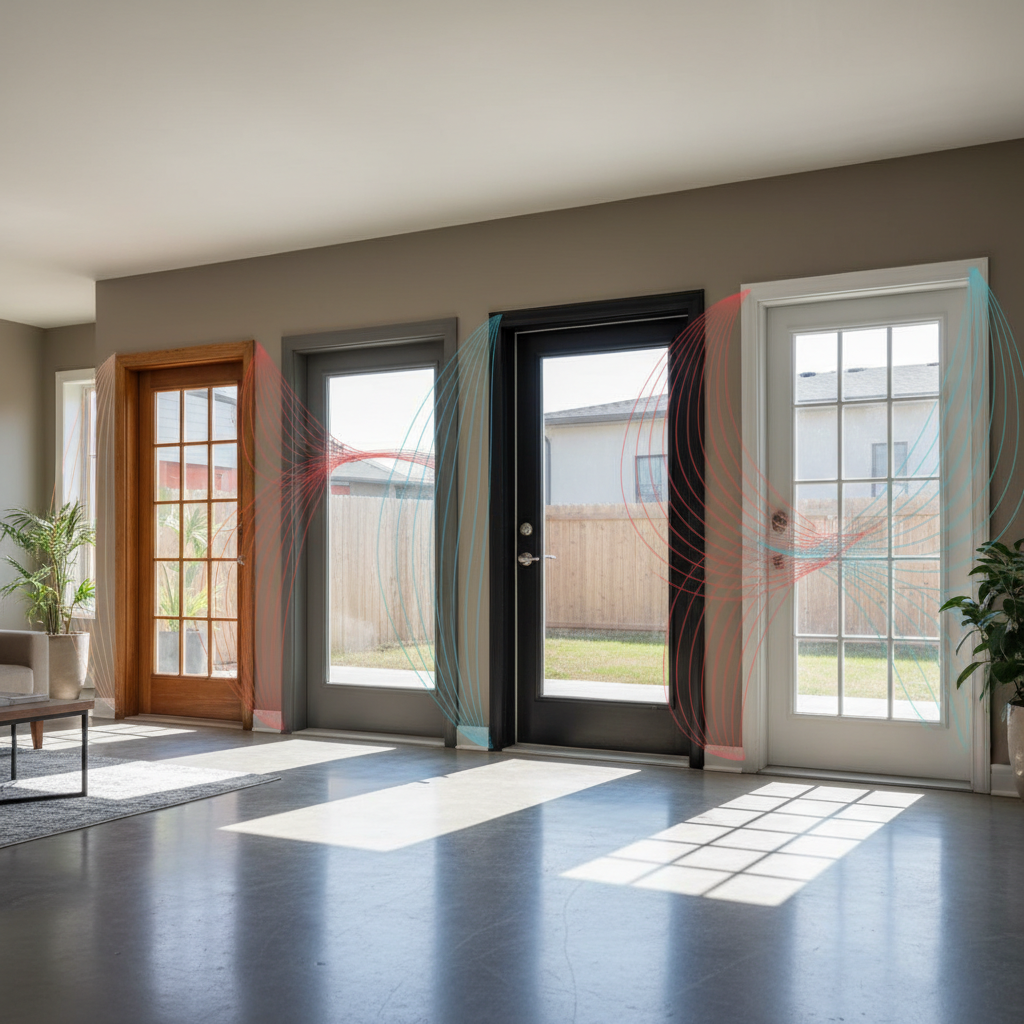
When selecting energy-efficient patio doors, it's essential to understand how different materials impact performance and efficiency. According to the U.S. Department of Energy, patio doors are responsible for 20% to 30% of a home's heat loss, making material selection crucial. The primary materials for patio doors include wood, fiberglass, aluminum, and vinyl, each offering distinct advantages and disadvantages in terms of energy efficiency.
Wood, while aesthetically pleasing, generally requires more maintenance and can have higher thermal conductivity if not properly treated. In contrast, fiberglass doors exhibit outstanding thermal resistance, boasting an R-value of around 5.0, compared to wood's R-value of approximately 3.0 to 4.0. Aluminum doors, while durable, tend to be less energy-efficient unless they are thermally broken. Vinyl doors combine affordability with good insulation properties, often achieving an R-value of 3.5 to 4.0, making them a popular choice for budget-conscious homeowners. A recent report by the Efficient Windows Collaborative highlights that homes with energy-efficient patio doors can reduce their energy costs by up to 20%, emphasizing the material’s significance in energy savings.
Ultimately, the choice of material will hinge on balancing energy performance, aesthetic appeal, and budget considerations to ensure the best investment for long-term efficiency.
Understanding Energy Ratings: What Do They Mean for Your Home?
When considering energy-efficient patio doors for your home, understanding energy ratings is crucial for maximizing comfort and minimizing energy bills. Energy ratings provide valuable information on how well a door insulates against heat transfer, which directly affects your home's energy consumption. These ratings are often indicated by a variety of metrics, including U-values, solar heat gain coefficients, and air leakage rates. A lower U-value indicates better insulation, while a lower solar heat gain coefficient reflects reduced heat absorption from sunlight. This knowledge empowers homeowners to make informed decisions that enhance energy efficiency.
Moreover, the landscape of energy efficiency is continually evolving due to technological advancements and changing consumer expectations. Many homeowners, especially in regions like Australia, are showing a willingness to invest in energy upgrades. However, it is essential to navigate the associated costs and potential confusion regarding which upgrades yield the best energy ratings. By opting for energy-efficient patio doors, individuals not only improve their home's aesthetic appeal but also address modern demands for sustainability and energy conservation, making each upgrade an investment in both the property and the planet.
2025 Top 5 Energy Efficient Patio Doors
Design Aesthetics vs. Energy Efficiency: Finding the Right Balance
When selecting patio doors for your home, it's essential to strike a balance between design aesthetics and energy efficiency. Modern designs often emphasize expansive glass panels that invite natural light and provide stunning views; however, these features can sometimes lead to increased energy consumption if not properly designed for insulation. Advanced technologies, such as double-glazing and Low-E coatings, are key in enhancing thermal performance while maintaining visual appeal. Homeowners must assess how various designs contribute to energy efficiency without sacrificing style.
As the market for energy-efficient solutions continues to grow—projected to reach $177.9 billion in 2025—it is crucial to consider how patio doors can serve as both a functional barrier and an aesthetic enhancement. Integrating energy-efficient options not only reduces heating and cooling costs but also complements the overall aesthetic of the home. The challenge lies in selecting doors that enhance the architectural style while providing the necessary energy savings, ensuring that each choice contributes positively to both the environment and your living space.
Tips for Choosing the Best Installation Method for Patio Doors
When it comes to installing energy-efficient patio doors, choosing the right method can significantly impact their performance and longevity. One important factor to consider is the type of frame you will be using. A well-insulated frame helps minimize energy loss, so opt for materials such as fiberglass or vinyl, which provide excellent thermal properties. Additionally, ensure that the door is properly sealed and caulked to prevent drafts and water intrusion, enhancing the overall energy efficiency.
Another crucial aspect is to decide between professional installation and DIY methods. Professional installation typically guarantees precise fitting and adherence to manufacturer guidelines, which can enhance the door's energy-saving features. On the other hand, if you have the skills and tools to undertake the installation yourself, make sure to follow step-by-step instructions closely and pay attention to leveling and alignment. This attention to detail will ensure that the doors close tightly and perform efficiently over time, contributing to lower energy bills and a more comfortable home environment.