Top 10 Energy Efficient Patio Doors You Should Consider?
When it comes to home improvement, energy efficiency is a top priority for many homeowners. Energy efficient patio doors play a crucial role in this shift towards sustainability. According to the U.S. Department of Energy, about 30% of a home's energy loss occurs through its doors and windows. By selecting the right patio doors, homeowners can significantly reduce their energy bills.
Many options on the market feature advanced glazing technologies and superior insulation. The National Fenestration Rating Council (NFRC) provides credible ratings for energy performance, helping consumers make informed choices. Energy efficient patio doors can elevate a home’s aesthetic while minimizing environmental impact. It's essential to consider both functionality and style in your selection.
However, not all doors marketed as "energy efficient" deliver on their promises. Homeowners should look for independent ratings and reviews. Investing in quality doors can improve comfort levels indoors and decrease reliance on heating and cooling systems. This investment often pays off in terms of savings and enhanced home value over time.
Understanding Energy Efficiency in Patio Doors
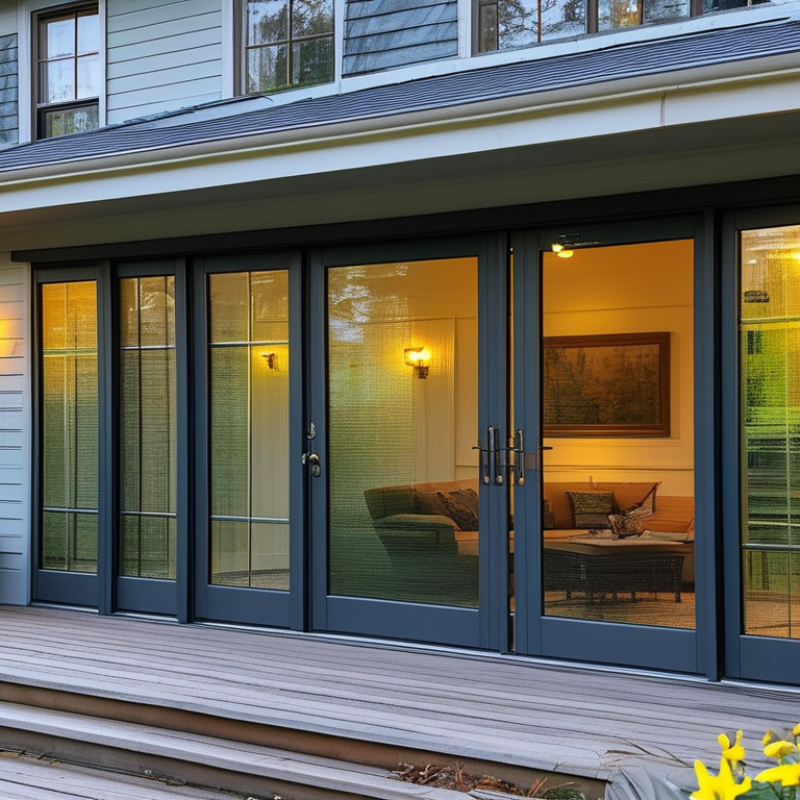
When choosing patio doors, energy efficiency is paramount. Many homeowners may not fully understand how crucial energy-efficient doors are for homes.
These doors can reduce energy consumption significantly. They help maintain comfortable indoor temperatures throughout the year.
A simple change can lead to noticeable savings on energy bills.
Look for doors that feature insulated glass. High-quality glass minimizes heat transfer.
Additionally, consider the frame material. Wood, fiberglass, or vinyl options often provide better insulation. Many overlook this detail, thinking aesthetics matter more.
However, a beautiful door that lacks insulating properties is a wasted investment.
Don't forget the importance of proper installation. Even the best doors lose energy efficiency if not installed correctly.
Gaps around the frame can allow air leakage. This common mistake can diminish the door's overall performance.
Remember, energy efficiency is not just about the door itself but how it fits into your home.
Small errors can lead to big losses over time.
Key Features to Look for in Energy Efficient Patio Doors
When choosing energy-efficient patio doors, several key features stand out. These features can greatly impact both energy savings and overall comfort in your home. According to the U.S. Department of Energy, doors with a low U-factor are essential. This measurement indicates how well a door can insulate against heat loss. Ideally, aim for a U-factor of 0.30 or lower for optimal energy efficiency.
Look for doors with double or triple glazing. This design minimizes heat transfer. Insulated frames also play a significant role. Vinyl or fiberglass frames are reliable options that offer reduced energy loss. According to the National Fenestration Rating Council (NFRC), these types of frames can improve energy performance significantly.
Consider doors with low-emissivity (Low-E) coatings. This thin layer reduces ultraviolet rays while preserving natural sunlight. It prevents heat from entering in summer and escaping in winter. Energy-efficient models often present better weatherstripping. High-quality weatherstripping reduces air leaks, enhancing overall insulation.
**Tip**: Always check for the ENERGY STAR label. This certification guarantees that the door meets strict energy efficiency guidelines.
Keep in mind that installation quality matters. Poorly installed doors can negate energy-saving features, resulting in drafts and discomfort.
**Tip**: Don't overlook the importance of aesthetics. A door should complement your home while providing energy savings.
Top 10 Energy Efficient Patio Doors
This chart displays the estimated energy efficiency ratings of the top 10 energy efficient patio doors based on various factors such as U-factor and Solar Heat Gain Coefficient (SHGC).
Top Materials for Energy Efficient Patio Doors
When choosing energy-efficient patio doors, material selection plays a crucial role. According to the U.S. Department of Energy, materials like fiberglass, vinyl, and wood-clad options provide excellent insulation. Fiberglass doors can achieve an impressive R-value of up to 7.0. High insulation values help maintain indoor temperatures, reducing heating and cooling costs, which is essential for sustainability.
Vinyl doors, a cost-effective choice, also boast good thermal performance. Their low thermal conductivity ensures better energy efficiency. A study from the National Renewable Energy Laboratory highlights that vinyl frames can reduce energy loss by as much as 15%. However, these doors may require more regular cleaning to maintain their appearance over time.
Wood-clad doors present a blend of aesthetics and efficiency. The exterior protects against moisture while the wood interior offers warmth. Yet, less efficient wood options can lead to air leaks, increasing energy costs. It’s essential to evaluate the insulation performance and potential maintenance challenges when selecting any patio door.
Comparison of Popular Energy Efficient Patio Door Brands
When choosing energy-efficient patio doors, several popular brands come to mind. Each offers distinct features that impact efficiency and design. These doors often prioritize weather resistance and thermal insulation, reducing heating and cooling costs.
One brand focuses on multi-chamber frames, which improve insulation. Their doors can significantly reduce energy loss. Another brand uses advanced glazing techniques. This results in excellent thermal performance, keeping your home comfortable year-round. However, the ultimate choice may depend on your specific needs and local climate.
Comparing these brands is essential. Some prioritize aesthetic appeal, while others emphasize energy ratings. You might find models that appear sleek but don’t perform as expected. Always consider the trade-offs between style and energy efficiency. Reflecting on your priorities will guide your decision-making process. Investing in the right patio door can positively affect your energy bills and overall comfort.
Installation Tips for Maximizing Energy Efficiency in Patio Doors
When installing patio doors, proper placement and sealing are critical for energy efficiency. Choose a location that receives ample sunlight. This not only creates warmth but can also enhance the room's ambiance. Ensure that the frame is level and that the door swings freely without obstruction. An uneven installation can lead to air leaks.
Sealing gaps is equally important. Use weatherstripping to seal edges. Pay attention to the threshold area; water can seep in if it's not properly weatherproofed. A small oversight here could lead to drafts. Inspect your doors regularly for any signs of wear or damage, such as cracks in the frame or broken seals.
Consider double or triple glazing for added insulation. This increases efficiency significantly. While the initial cost may be higher, the long-term savings on energy bills can be substantial. Ultimately, every detail counts in the installation process. It’s worth revisiting your approach to ensure maximum performance from your patio doors.
Top 10 Energy Efficient Patio Doors You Should Consider
| Door Type |
Energy Efficiency Rating |
Materials Used |
Additional Features |
Estimated Price Range |
| Sliding Glass |
U-Factor: 0.30 |
Aluminum, Tempered Glass |
Low-E Coating |
$800 - $1500 |
| French Doors |
U-Factor: 0.25 |
Wood, Fiberglass |
Double Weatherstripping |
$1200 - $2500 |
| Bi-Fold Doors |
U-Factor: 0.28 |
Aluminum, Glass |
Multi-Point Locking System |
$3000 - $6000 |
| Sliding Vinyl |
U-Factor: 0.32 |
Vinyl, Low-E Glass |
Energy Star Certified |
$700 - $1200 |
| Patio Screen Doors |
N/A |
Aluminum Frame, Mesh |
Retractable Feature |
$200 - $500 |
| Composite Doors |
U-Factor: 0.24 |
Composite, Triple Glazed |
High Insulation Value |
$1500 - $3000 |
| Lift and Slide |
U-Factor: 0.27 |
Wood, Glass |
Smooth Operation |
$2500 - $5000 |
| Accordion Doors |
U-Factor: 0.25 |
Aluminum, Glass |
Space Saving Design |
$1800 - $3500 |
| Hinged Patio Doors |
U-Factor: 0.26 |
Fiberglass, Glass |
Weather Resistant |
$1000 - $2200 |
| Tilt and Turn |
U-Factor: 0.29 |
uPVC, Triple Glazed |
Versatile Opening |
$900 - $1800 |