2026 Best Energy Efficient Sliding Doors for Global Buyers

Energy efficient sliding doors are becoming a practical priority for global buyers in 2026. They can connect rooms, balconies, gardens, and commercial spaces without creating large thermal losses. However, attractive glass alone does not guarantee efficiency. Frame design, glazing, seals, installation, and local climate all influence real performance.

Dr. Wolfgang Feist, founder of the Passivhaus Institut, states, “The most important thing is to reduce energy demand.” This principle remains highly relevant to modern sliding doors. Buyers should examine the whole product, not only its advertised glass specification. Look for certified U-values, low air leakage, warm-edge spacers, thermally broken frames, and properly tested hardware. In colder regions, triple glazing may improve comfort. In hot climates, solar-control glass can reduce indoor heat gain. The best choice depends on orientation and building design.

Small details matter. A damaged seal can create a cold strip near the floor. Poor installation may cause drafts around the frame. Even premium products can underperform. That is an uncomfortable truth. Therefore, this guide compares energy efficient sliding doors through measurable performance, verified certifications, material durability, maintenance needs, and installation quality. It also considers differences between European, North American, Asian, and other regional standards. Buyers should request current test documents and professional installation advice before ordering. Product rankings can help, but they are not universal answers. A door that performs well in Stockholm may need different glazing in Singapore. The right decision combines evidence, climate awareness, and realistic expectations.
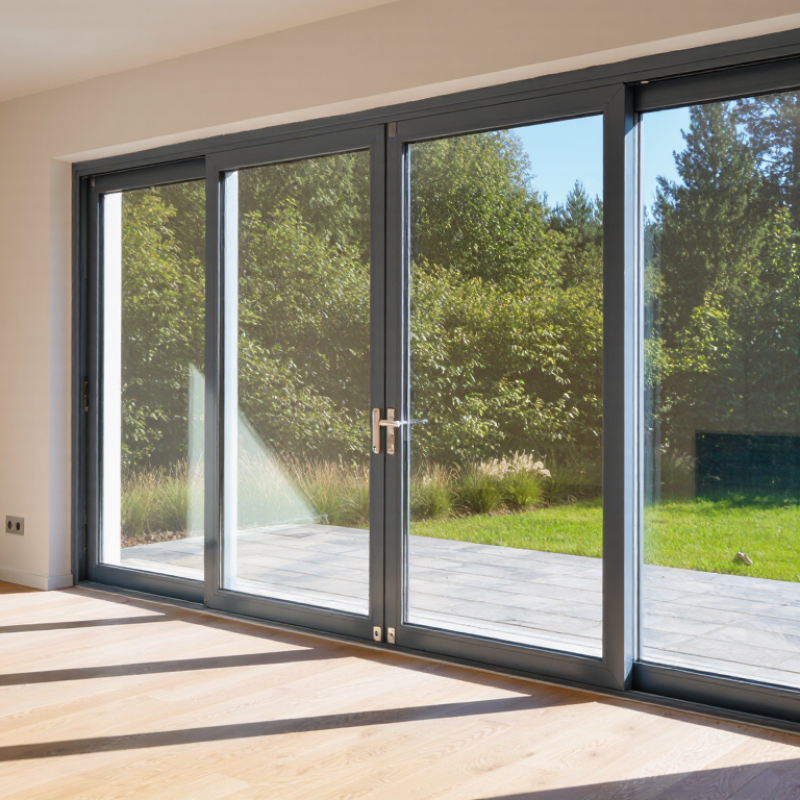
2026 Best Energy Efficient Sliding Doors for Global Buyers

Energy-Efficient Sliding Door Standards: U-Factor ≤0.30 and SHGC 0.25–0.40

2026 Best Energy Efficient Sliding Doors for Global Buyers

Energy-efficient sliding doors should be compared through verified performance data, not glass appearance alone. A practical benchmark is a U-Factor of 0.30 or lower. Lower values indicate less heat transfer through the door assembly. The recommended SHGC range is 0.25–0.40, balancing solar heat gain and daylight. In hot regions, 0.25 may reduce cooling loads. In colder regions, 0.40 can provide useful passive warmth.

The U.S. Department of Energy reports that windows can represent 25–30% of residential heating and cooling energy use. The International Energy Agency also identifies buildings as responsible for about 30% of global final energy consumption. These figures make door specifications important, especially across large glazed openings. Look for low-emissivity glass, insulated frames, warm-edge spacers, and reliable weather seals. NFRC-rated products provide independently verified U-Factor and SHGC measurements. However, ratings may not reflect poor installation. That is the uncomfortable part.

Tips: Check the complete door rating, not glass-only data. Confirm the test units and climate assumptions before comparing suppliers. Request air-leakage results, installation details, and local compliance documents. A door meeting U-Factor ≤0.30 can still perform badly when the track is misaligned or the perimeter seal is compressed unevenly. Coastal exposure, dust, and frequent use also deserve attention. Efficiency is engineered, but it is maintained on site.

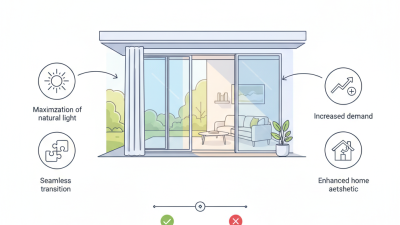
Triple Glazing and Low-E Coatings: Improving Window U-Values by up to 30%

For global buyers, energy-efficient sliding doors begin with measured heat transfer, not glass appearance. Triple glazing uses three panes and two insulating cavities. It can reduce the center-of-glass U-value compared with common double glazing. Low-E coatings reflect long-wave heat toward the warmer side. In cold climates, they help retain indoor warmth. In hot climates, the right coating can limit solar heat gain. Performance depends on coating position, gas fill, spacer design, and frame quality. Small details matter.

A claimed U-value improvement of up to 30% should be read carefully. It usually compares a defined product against a stated baseline. Whole-door performance may be weaker than center-glass results. Ask for certified U-values, test conditions, and the solar heat gain coefficient. Check whether values use local or international calculation methods. A low number is useful only when the frame, seals, and installation support it. I have seen excellent glass underperform after poor perimeter sealing.

For a large sliding opening, inspect the meeting stiles, rollers, drainage path, and threshold. Warm-edge spacers can reduce condensation along the glass edge. Compression seals should close evenly, without forcing the handle. In humid regions, ventilation still matters. Triple glazing also adds weight, cost, and sometimes less visible light. That trade-off is easy to overlook. Choose the coating for orientation and climate, not marketing language. Request site-specific calculations before ordering, and leave room to question optimistic estimates.

Thermal-Break Frames and Airtightness: Reaching ≤0.30 cfm/ft² Leakage

For global buyers, energy-efficient sliding doors begin with the frame, not the glass alone. A thermal-break frame separates interior and exterior aluminum with an insulating barrier. This reduces conductive heat transfer around the door perimeter. In cold climates, it can limit interior condensation near the sill. In hot climates, it helps keep radiant heat outside. The target matters: air leakage at or below 0.30 cfm/ft² under the selected test pressure. This figure should be verified through an independent laboratory report, not a brochure claim. Test standards and pressure conditions vary by market. Direct comparisons can mislead.

Airtightness depends heavily on installation. Multi-point gaskets need continuous compression, while rollers must keep panels aligned. The track should remain clean and level. Even a small corner gap can undermine a high-performing frame. Installers should inspect seals, check panel movement, and document the test method. A calibrated air-leakage test may reveal problems that casual inspection misses. Ask for the tested assembly, not only the profile value. Review the glass specification, hardware details, test pressure, and sample size.

Some compromises remain. More seals can increase opening resistance. A very tight door may feel less forgiving when the wall is out of square. Field inspections often reveal failures caused by poor sill drainage or transport damage. Regional climate, exposure, and maintenance access deserve equal attention. Performance is practical, not permanent.

Climate-Based Door Selection: Matching SHGC, U-Factor, and Solar Exposure

2026 Best Energy Efficient Sliding Doors for Global Buyers

Climate-Based Door Selection: Matching SHGC, U-Factor, and Solar Exposure

Choosing an efficient sliding door starts with the climate, not the frame color. In hot regions, select a low SHGC to reduce intense solar heat through south- or west-facing glass. A lower U-factor also limits heat transfer from a sun-heated exterior into the room. In colder climates, a moderate SHGC can capture useful winter sunlight. Pair it with a low U-factor to retain indoor warmth. Coastal homes need careful attention to air leakage, wind exposure, and corrosion-resistant construction.

Tips: Map the glass direction before ordering. Observe the room at 9 a.m., noon, and 4 p.m. A shaded opening may need different performance values than an exposed one. Use exterior overhangs where practical, but do not assume they block low winter sun. Check the product’s tested U-factor, SHGC, visible transmittance, and air-infiltration rating. Values can vary by glass package and door size.

Global buyers should compare these figures with local energy codes and regional climate data. Ask for independent test reports when available. Installation matters too. A well-rated door can perform poorly if the sill is uneven or the weather seals are compressed incorrectly. I have seen solar exposure change room comfort more than expected. A single number can mislead. Review the full opening, including nearby walls, flooring, blinds, and seasonal shade, before making the final selection.

2026 Best Energy Efficient Sliding Doors for Global Buyers – Climate-Based Door Selection: Matching SHGC, U-Factor, and Solar Exposure
Climate Profile Typical Solar Exposure Recommended U-Factor
(W/m²·K)
Recommended SHGC Suitable Glazing Configuration Frame and Door Features Solar-Control Strategy
Cold or Heating-Dominated Low to moderate winter sun; significant heat loss through the door during the heating season. 0.80–1.10 0.40–0.55 Double or triple insulating glass with warm-edge spacers and a low-emissivity coating selected for cold conditions. Thermally broken frame, insulated door panels, compression weather seals, and a multi-point locking system. Use higher SHGC on sun-facing elevations when winter solar gain is useful. Add seasonal shading where summer overheating is possible.
Mixed or Temperate Both heating and cooling loads; solar exposure varies strongly by orientation and season. 1.00–1.60 0.30–0.45 Double insulating glass with a spectrally selective low-emissivity coating; triple glazing may be beneficial in colder locations. Thermally improved aluminum, uPVC, fiberglass, or composite frame with continuous perimeter seals. Select moderate SHGC for south-, east-, and west-facing openings. Combine glazing with exterior overhangs or adjustable shading.
Hot-Humid or Cooling-Dominated High annual solar radiation, high outdoor humidity, and long cooling seasons. 1.40–2.00 0.20–0.35 Double insulating glass with solar-control low-emissivity coating; laminated or impact-rated glass may be required in severe-weather regions. Thermally broken frame, durable corrosion-resistant hardware, low-air-leakage seals, and a properly drained sill. Prioritize low SHGC on east- and west-facing doors. Use deep exterior shading, covered patios, blinds, or solar screens.
Hot-Dry or Desert Very intense direct sunlight, large day-to-night temperature swings, and high cooling demand. 1.40–2.10 0.25–0.40 Double insulating glass with solar-control low-emissivity coating; spectrally selective glass can reduce heat gain while preserving daylight. Thermally broken frame, UV-resistant seals, insulated panels, and hardware rated for high temperature and dust exposure. Use exterior overhangs, vertical fins, shutters, or low-solar-gain screens. Limit unshaded west-facing glass where practical.
Marine or Mild Coastal Moderate temperatures, diffuse cloud cover, wind-driven rain, and occasional strong solar exposure. 1.20–1.80 0.30–0.45 Double insulating glass with low-emissivity coating; laminated glass can improve acoustic performance and safety. Corrosion-resistant hardware, thermally improved frame, wind-rated construction, and high-quality water-management details. Use moderate SHGC and adjustable shading. Prioritize air leakage, water resistance, and wind performance in exposed locations.
High-Altitude or High-UV Location Strong ultraviolet radiation and solar intensity due to elevation, often combined with cold nights. 0.80–1.40 0.30–0.50 Double or triple insulating glass with low-emissivity coating, UV-resistant interlayers, and sealed insulating-glass units designed for altitude. Low-conductivity frame, durable gaskets, pressure-equalized insulating-glass units, and hardware suitable for freeze-thaw cycles. Balance useful winter solar gain against summer overheating. Use UV-filtering laminated glass or interior protection for sensitive furnishings.
How to read the metrics: U-factor measures heat transfer; lower values generally indicate better insulation. SHGC is the fraction of incident solar radiation admitted through the glazing; lower values reduce solar heat gain. The ranges above are practical selection targets, not universal building-code requirements. Confirm local energy codes, wind-load requirements, safety-glazing rules, condensation risk, and whole-door test ratings before purchase.
Units and testing note: U-factor is shown in SI units (W/m²·K). Compare products using the same certified whole-door test method, because center-of-glass performance can be substantially better than the complete sliding-door assembly.

Global Certifications and Testing: ENERGY STAR, CE, NFRC, and ISO 10077 Performance

For global buyers, an energy-efficient sliding door needs more than attractive glass.

The U.S. Department of Energy estimates that windows can cause 25–30% of household heating and cooling energy use. A poorly sealed sliding panel may also create a cold strip near the floor. I check the frame, rollers, seals, and drainage before trusting the glass specification.

ENERGY STAR requirements vary by climate zone, so one rating does not fit every market. NFRC labels report U-factor, solar heat gain coefficient, visible transmittance, and air leakage under standardized testing.

Lower U-factor usually means better insulation. Lower SHGC can reduce overheating in sunny regions. The National Fenestration Rating Council stresses whole-product ratings, not center-glass claims. That distinction matters.

CE marking confirms applicable European conformity requirements, but it is not automatically an energy-efficiency grade. Buyers should request the supporting declaration and test evidence. ISO 10077-1 and ISO 10077-2 provide methods for calculating thermal transmittance through frames, glazing, and junctions.

Still, calculated results can differ from installed performance. Installation gaps, uneven thresholds, and damaged gaskets are common weaknesses. I would ask for laboratory reports, test dimensions, climate assumptions, and production tolerances. The numbers may look precise. Real buildings are less cooperative.