Choosing windows and sliding glass doors in China is not just a style decision. It affects daylight, comfort, noise, and energy use. The UNEP 2023 Global Status Report for Buildings and Construction estimates that buildings accounted for 34% of global energy demand in 2022. That figure is not specific to windows, but it highlights why the building envelope deserves careful attention. Building scientist Joseph Lstiburek offers a useful warning: “Windows are holes in the wall.” The frame, glass, seals, and installation all matter.
For Chinese homes, compare products by performance, not appearance alone. Look for documented air-tightness, water resistance, wind-load performance, and thermal ratings that suit the local climate. Low-emissivity insulated glass can help manage heat transfer; thermally broken aluminum frames may also improve insulation. Check the sliding door’s rollers, locking points, drainage channels, and seals. A heavy panel should glide smoothly, without scraping or rattling. Small details show up every day.
Ask suppliers for test reports from accredited laboratories, and confirm which product configuration those reports cover. Ratings can vary with glass thickness, frame size, and hardware. A showroom sample may not match the final installation. This is easy to overlook. No single brand is best for every project: coastal exposure, winter temperatures, room layout, and budget change the choice. The comparisons ahead focus on practical specifications and trade-offs, while leaving room for one honest caveat: published ratings cannot guarantee careful installation.
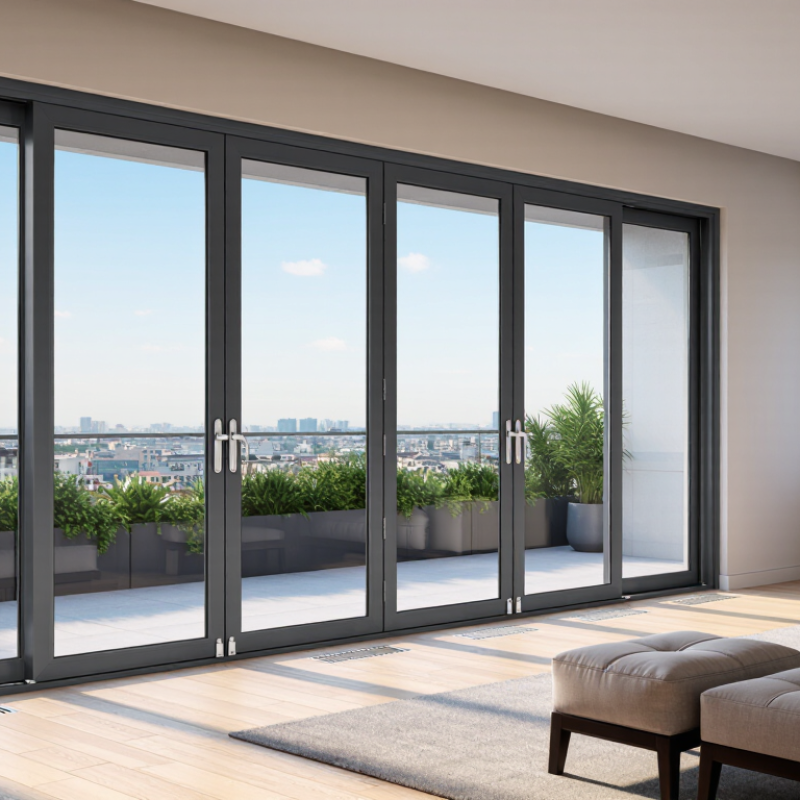
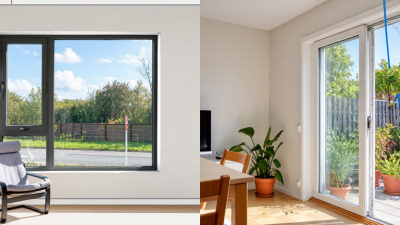
Window and sliding-door choices in China vary with climate, building design, and room layout. Casement windows hinge outward or inward, offering a wide opening for ventilation. Sliding windows move along tracks, so they work well where an open sash must not swing into a balcony or walkway. Tilt-and-turn designs provide a smaller ventilation gap or a full inward opening. Fixed windows admit daylight but do not ventilate. Small details matter.
Frame materials also shape performance. Thermally broken aluminum frames can reduce heat transfer compared with standard aluminum, while uPVC frames are often chosen for insulation and low maintenance. Timber offers a warmer appearance, but its finish may need more care in humid or exposed locations. Glass options include double glazing, laminated glass, and coatings that help control solar heat. The right combination depends on local weather and the building’s orientation.
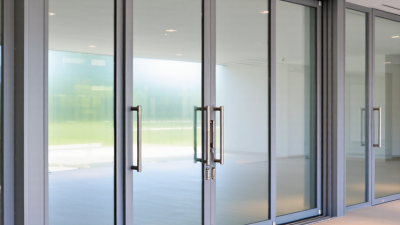
Sliding glass doors are commonly available as two-panel, multi-panel, and lift-and-slide systems. Standard sliders save floor space; lift-and-slide designs can support larger, heavier panels, though hardware and installation need careful attention. Check track drainage, seals, locking points, and the frame’s water-tightness—not just the glass thickness. A specification sheet rarely tells the whole story. Even a well-chosen product can disappoint if the opening is measured poorly or installed out of square. There is no perfect type for every home.
| Type | Opening Style | Common Frame and Glazing Options | Key Advantages | Considerations | Typical Applications |
|---|---|---|---|---|---|
| Casement window | Hinged at the side; opens inward or outward. | Aluminum, thermally broken aluminum, or uPVC; single, laminated, or insulated glass units. | Can provide a wide opening for ventilation; compression seals can support good air and water resistance when correctly designed and installed. | The sash needs clearance when open. Hardware, sash size, and installation quality affect performance. | Bedrooms, living rooms, and other spaces where ventilation and a tighter closure are priorities. |
| Sliding window | One or more panels slide horizontally along tracks. | Aluminum, thermally broken aluminum, or uPVC; commonly supplied with single or insulated glazing. | Does not swing into or out of the room; convenient where space is limited. | Usually only part of the opening can be open at a time. Track drainage, cleaning access, and weather seals matter. | Apartments, kitchens, balconies, and locations with restricted clearance. |
| Tilt-and-turn window | Tilts inward at the top for ventilation or swings inward from the side for a wider opening. | Often thermally broken aluminum or uPVC; may use insulated glazing units. | Offers two ventilation modes and convenient inward access for cleaning. | Typically costs more than a basic sliding window and requires compatible multi-point hardware and careful adjustment. | Homes that need flexible ventilation, easier cleaning, or a more tightly closing window. |
| Awning window | Hinged at the top and opens outward from the bottom. | Aluminum, thermally broken aluminum, or uPVC; glazing options vary by system. | The projecting sash can help limit direct rain entry while allowing ventilation in suitable conditions. | Projects outside and may be unsuitable near walkways or where exterior clearance is limited. | Bathrooms, utility rooms, and high-level openings. |
| Fixed window | Non-opening glazed panel. | Aluminum or thermally broken aluminum frames; clear, laminated, or insulated glazing. | Provides daylight and views without operating hardware; can form large glazed areas within the system's design limits. | Does not provide ventilation and may require planning for safe exterior cleaning. | Stairwells, feature glazing, and areas paired with operable windows. |
| Standard sliding glass door | One or more large panels slide horizontally on tracks. | Commonly aluminum or thermally broken aluminum; glazing may be tempered, laminated, or an insulated glass unit, as specified. | Saves swing space and connects indoor areas with balconies, patios, or terraces. | Only the sliding portion opens; threshold design, track maintenance, locks, and safety glazing should be checked. | Balcony entrances and residential patio openings. |
| Lift-and-slide door | The operating panel lifts slightly from its seals when opened, then slides along a track. | Usually a reinforced aluminum or thermally broken aluminum system with large glass panels; insulated glazing is available. | Designed for smooth operation of larger, heavier panels; can create a broad opening and expansive view. | Generally more complex and costly than a basic sliding door; requires suitable structural support and precise installation. | Large living-room openings, villas, and projects prioritizing wide views. |
| Folding glass door | Multiple hinged panels fold and stack to one or both sides. | Aluminum or thermally broken aluminum frames; glass and panel configurations vary by system. | Can open a large proportion of the doorway when panels are folded back. | Needs space for stacked panels and regular hardware checks; air and water performance depends on the specific design and installation. | Terraces, garden entrances, and openings where a wide clear passage is desired. |
Selection note: The best option depends on the project location, climate, building orientation, opening size, ventilation needs, safety requirements, and budget. Thermal, acoustic, air-tightness, and water-resistance performance varies by product configuration and installation; check project specifications and applicable local requirements before purchase.

© 2025 KT Fairglass. | The #1 Doors & Windows Company in Vernon BC
