Choosing the best home doors is not a simple matter of color, style, or price. A front door faces rain, sunlight, forced entry risks, and daily use. A patio door must also slide smoothly, seal tightly, and frame a clear view. The right decision begins with climate, orientation, traffic, and installation conditions.
The U.S. Department of Energy identifies windows and doors as important areas for heat transfer and air leakage in homes. Its Energy Saver guidance recommends checking weatherstripping, thresholds, frames, and door sweeps before replacing a unit. ENERGY STAR also emphasizes energy performance, especially where conditioned air can escape around poorly sealed openings. These details matter. A beautiful door with a weak seal can create a cold draft beside your feet. NFRC rating information can help buyers compare U-factor, solar heat gain, and visible transmittance for glazed doors. However, ratings do not guarantee perfect performance. Installation still matters.
This guide examines materials, security hardware, insulation, glass, accessibility, maintenance, and long-term value. Fiberglass may resist moisture and dents, while steel can provide strong security at a competitive cost. Wood offers warmth and repairability, but it needs more careful protection. Local building requirements and manufacturer instructions should guide final choices. A cheaper door may become expensive after swelling, repainting, or repeated adjustment. That is easy to overlook. The most reliable choice balances tested performance, professional fitting, practical appearance, and the way your household actually uses the entrance.
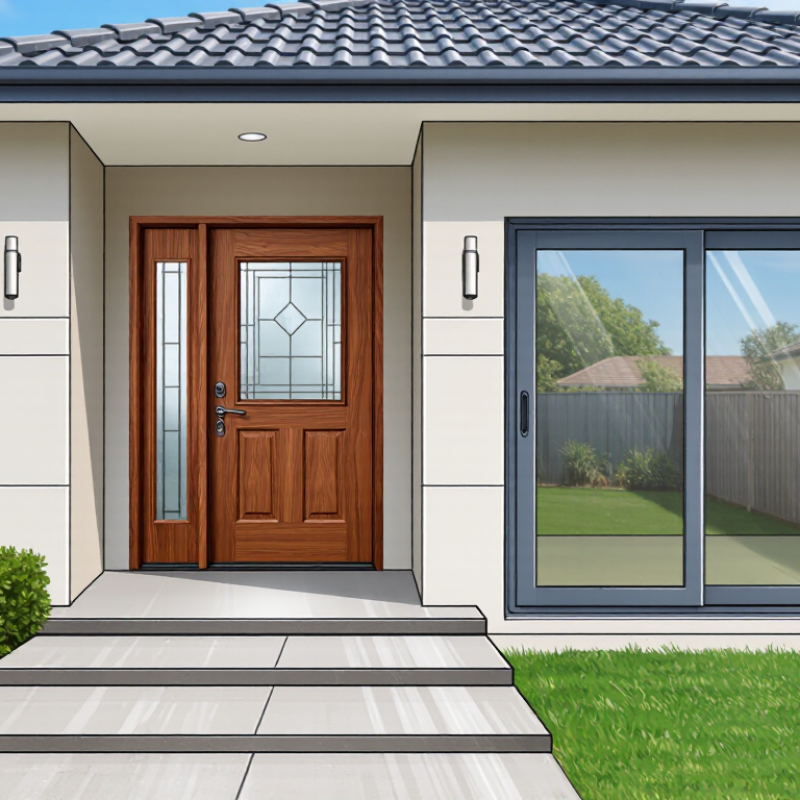
Choosing a home door starts with conditions, not color or showroom appeal. Study your climate across every season. In humid regions, moisture-resistant cores and sealed edges reduce swelling. Cold areas need tight weatherstripping and a thermally efficient frame. Strong sun can fade finishes and heat metal hardware. Check local wind exposure, rainfall, and indoor temperature changes before selecting materials. A door that looks excellent in a display room may perform poorly beside a wet entry path.
Traffic changes the practical requirements. A busy family entrance needs durable hinges, a smooth closer, and a surface that tolerates repeated cleaning. Measure the opening carefully, including wall thickness and threshold height. For older residents, avoid heavy operation and raised thresholds that catch shoes. I once underestimated hallway clearance, and the door blocked a cabinet when fully opened. That mistake was preventable. Simulate the swing with cardboard before ordering.
Privacy and security should be evaluated together, but they are not identical. Frosted or textured glazing can soften views while preserving daylight. Solid construction helps, yet locks, strike plates, frame anchoring, and installation quality matter just as much. Ask whether the frame is reinforced and whether the hardware resists forced leverage. Use certified fire-rated assemblies where regulations require them, and verify the rating as a complete system. Avoid choosing a lock by appearance alone. Test the key, latch, and deadbolt with the door aligned. Small gaps, loose hinges, or a weak threshold can undermine an otherwise strong door.
Use this comparison table to define the performance requirements of each exterior or interior door before selecting materials, glazing, hardware, and installation details.
| Requirement | Typical Home Situation | Recommended Door Characteristics | Useful Technical Indicators | What to Avoid | Priority |
|---|---|---|---|---|---|
| Hot and Sunny Climate | Strong sunlight, high outdoor temperatures, and frequent exposure to ultraviolet radiation. | Use a light- or medium-colored finish, weather-resistant coating, insulated construction, and low-solar-gain glazing where daylight is needed. | Look for a low U-factor for reduced heat transfer and a suitable Solar Heat Gain Coefficient (SHGC). Lower SHGC generally limits unwanted solar heat gain. | Unprotected dark finishes on sun-facing doors, poorly sealed frames, and ordinary interior doors used as exterior doors. | High |
| Cold Climate | Low winter temperatures, heating demand, frost, and possible condensation around the opening. | Select an insulated door slab, thermally improved frame, continuous weatherstripping, and a properly sealed threshold. | Compare the door assembly's U-factor; a lower value indicates less heat flow through the assembly. Check for an energy-performance label or tested rating where available. | Large uninsulated metal surfaces, damaged weather seals, and gaps between the frame and rough opening. | High |
| Wet or Coastal Climate | Heavy rain, high humidity, salt-laden air, or repeated wetting and drying cycles. | Choose corrosion-resistant hardware, moisture-resistant finishes, durable exterior seals, and a sill designed to drain water away from the building. | Confirm resistance to water penetration and air leakage through applicable product testing. Inspect exposed fasteners and hardware for corrosion resistance. | Unsealed wood edges, untreated steel hardware, flat thresholds that hold water, and finishes not intended for exterior exposure. | High |
| Wind, Storm, or Severe Weather | Homes exposed to strong winds, wind-driven rain, or regional storm hazards. | Use a tested door assembly with a strong frame, secure anchoring, multi-point reinforcement where appropriate, and impact-resistant glazing if required locally. | Check local building-code requirements and tested ratings for structural pressure, water penetration, air leakage, and impact resistance when applicable. | Relying only on the door slab strength while ignoring frame anchorage, hinges, strike plates, or the surrounding wall connection. | High |
| High-Traffic Entry | Main entrance used many times each day by residents, guests, deliveries, or children. | Select a durable slab, reinforced hinges, replaceable weatherstripping, a scratch-resistant finish, and a threshold that can tolerate repeated passage. | Review cycle testing or durability information when provided. Confirm that hinges and fasteners are sized for the door's weight and usage level. | Light-duty interior hardware, fragile decorative surfaces, narrow clear openings, and hardware that cannot be adjusted or replaced. | High |
| Low-Traffic Interior Room | Bedrooms, studies, storage areas, or guest rooms with limited daily use. | Prioritize the desired appearance, swing direction, ventilation needs, and basic privacy hardware rather than heavy-duty exterior protection. | Check clear opening width, door thickness, hinge positions, and compatibility with the selected latch or lockset. | Over-specifying expensive exterior features where they provide no practical benefit, or selecting a door that blocks required ventilation. | Medium |
| Sound Privacy | Bedrooms, bathrooms, home offices, or rooms near living areas where noise control matters. | Use a solid-core door, tight perimeter seals, and a close-fitting frame. Consider an automatic door bottom where appropriate and permitted. | Higher Sound Transmission Class (STC) values generally indicate better laboratory-rated airborne sound reduction, but installation quality strongly affects real-world performance. | Hollow-core doors for rooms requiring substantial privacy, large unsealed gaps, and louvered doors where sound isolation is important. | High |
| Visual Privacy | Bathrooms, bedrooms, changing areas, or entrances that face neighbors or public walkways. | Choose an opaque slab, textured or obscured glazing, appropriate curtain or blind provisions, and a privacy latch that allows emergency access when needed. | Consider sightlines from nearby windows, walkways, and elevated locations rather than relying only on the door material. | Clear glazing without coverings, glass panels positioned at eye level, and privacy locks that cannot be released during an emergency. | High |
| Basic Entry Security | Primary exterior entrance requiring resistance to forced entry and unauthorized access. | Use a solid or reinforced door, a strong frame, correctly installed hinges, a deadbolt or suitable multi-point lock, and a reinforced strike area. | Security depends on the complete assembly: slab, frame, hinges, lock, strike, fasteners, and wall connection. Follow local code and tested assembly requirements. | Short screws, weak strike attachment, exposed hinge pins on outward-swinging doors, oversized gaps, and locks installed only in a thin decorative panel. | High |
| Controlled Visibility | Residents want daylight or a view while limiting visibility into the home. | Consider high-level glazing, narrow sidelites, screened glazing, blinds between panes, or obscured glass selected for the desired privacy level. | Evaluate the viewing angle during both daytime and nighttime; interior lighting can make rooms more visible from outside after dark. | Assuming frosted glass provides complete privacy from every angle or under every lighting condition. | Medium |
| Accessibility and Daily Convenience | Users may have mobility limitations, carry packages, use mobility devices, or need easy one-handed operation. | Provide a sufficiently wide clear opening, low or beveled thresholds, lever-style hardware, adequate maneuvering space, and a smooth door closer setting. | Confirm local accessibility requirements for clear width, threshold height, opening force, maneuvering clearance, and hardware mounting height. | High thresholds, round knobs that are difficult to operate, heavy closers, and insufficient landing space on the pull side. | High |
| Fire and Smoke Separation | Doors serving garages, utility rooms, corridors, or other areas where building regulations require rated separation. | Use a complete, code-approved door assembly with compatible frame, hinges, latch, closer, seals, and glazing where permitted. | Check the required fire-resistance rating and self-closing or self-latching provisions with the local building authority. | Replacing rated hardware with ordinary hardware, propping open a required door, or modifying the assembly without approval. | High |
| Maintenance and Service Life | Owners want predictable upkeep and easy repair over many years. | Select finishes suited to exposure, replaceable seals, accessible adjustment points, standard-sized hardware, and materials appropriate to the climate. | Review maintenance instructions, warranty conditions, drainage details, finish-renewal intervals, and the availability of replacement weatherstripping. | Ignoring routine seal inspection, allowing water to collect at the sill, and choosing specialized parts that are difficult to replace. | Medium |


© 2025 KT Fairglass. | The #1 Doors & Windows Company in Vernon BC
