Are Energy Efficient Doors Worth the Investment for Homes?
Energy-efficient doors are becoming a focal point in modern home investments. According to James Thornton, a leading expert in sustainable building practices, “Investing in energy-efficient doors offers both immediate and long-term benefits.” These doors not only optimize energy consumption but also enhance the home's aesthetic appeal.
Homeowners often wonder if the upfront costs are worth the savings. Energy-efficient doors provide substantial insulation, reducing heating and cooling bills. However, this initial expense can seem daunting. It’s essential to weigh the return on investment against the potential energy savings.
Moreover, adopting energy-efficient doors may contribute to a home's long-term value. Future buyers are increasingly looking for energy-efficient features. This tendency highlights the shifting priorities in home investment. Reflecting on these aspects invites homeowners to consider their priorities and the potential impact of their choices on future savings.
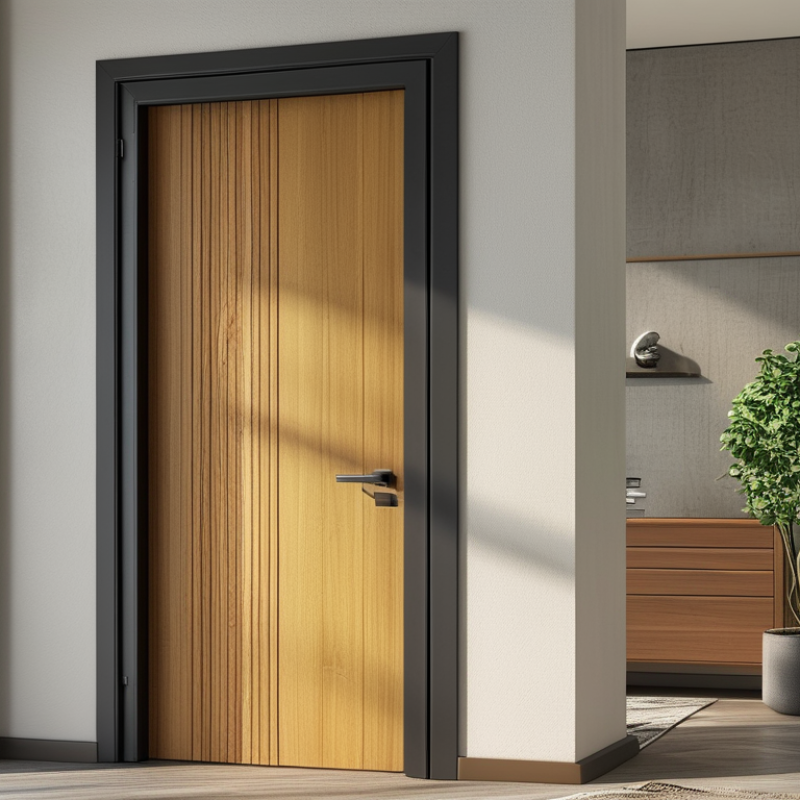
Are Energy Efficient Doors Worth the Investment for Homes?
Investing in energy-efficient doors can be a thoughtful choice for homeowners. These doors often come with insulation that reduces heat transfer. This means your home can stay warmer in winter and cooler in summer. Over time, this can lead to significant savings on energy bills. It’s important to consider your local climate. In colder areas, energy-efficient doors can provide even more benefits.
However, the initial cost can be high. Some homeowners may hesitate to spend more upfront. It’s essential to evaluate how much the energy savings will amount to over the years. There are long-term benefits, but immediate financial strain needs consideration. Are you ready to invest in your home’s sustainability?
In addition, the quality of materials used in energy-efficient doors varies widely. Not all doors labeled as “energy-efficient” deliver the same performance. Research and professional advice can help guide your choice. Seek out reliable reviews and expert opinions. Sometimes, a less expensive door may perform better than premium options. Be cautious and look for certifications that ensure quality. Your investment should align with your home’s needs.
Overview of Energy Efficient Doors and Their Benefits
Energy efficient doors are gaining popularity among homeowners. These doors are designed to minimize energy loss and improve insulation. They help keep homes warmer in winter and cooler in summer. Many people see a reduction in energy bills. This benefit makes them appealing for those looking to save money in the long run.
The materials used in energy efficient doors often include fiberglass and insulated steel. These options provide better thermal performance than traditional wooden doors. Proper installation is also critical. A poorly fitted door can offset the benefits. Homeowners must ensure that they choose reputable installers.
However, the initial investment can be significant. Some homeowners hesitate to spend more upfront. It's also important to consider the climate. In some regions, the return on investment may not be as high. Weighing these factors is essential. Energy efficient doors can be worth it, but it depends on individual circumstances.
Energy Efficiency Benefits of Different Types of Doors
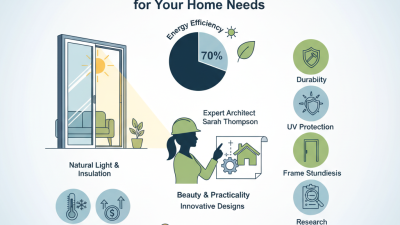
This chart illustrates the energy efficiency ratings of different types of doors commonly used in homes. Fiberglass doors exhibit the highest energy efficiency, making them a great investment for energy-conscious homeowners.
Market Trends: Energy Efficiency in Residential Construction
As energy efficiency gains traction in residential construction, many homeowners are assessing their choices. A recent report reveals that homes with energy-efficient doors can see a decrease in energy costs by up to 30%. This investment often results in quicker returns, particularly in regions with extreme weather conditions. Despite this, some homeowners remain skeptical. They often wonder if the upfront costs justify the long-term savings.
The growing market trend shows that energy-efficient doors are becoming standard in new constructions. According to the Department of Energy, 35% of residential energy loss occurs through doors and windows. This highlights the importance of improving door efficiency. Homeowners can enhance comfort while minimizing heating and cooling expenses.
Tip: Consider the R-value of doors when making your choice. Higher R-values indicate better insulation, which can lead to more significant energy savings.
Incorporating energy-efficient doors may also boost property value. A study by the National Association of Realtors found that environmentally friendly upgrades can return around 80% of their cost when selling a home. Still, investments should be weighed against current market conditions and personal budgets.
Tip: Research local energy efficiency programs that may offer rebates or incentives for upgrading doors.
Cost Analysis: Initial Investment vs. Long-term Savings
Investing in energy-efficient doors makes sense for many homeowners. The upfront cost can be higher than traditional doors. However, the long-term savings are significant. These doors can reduce heating and cooling expenses, and they create a more comfortable living environment. Over time, the savings on energy bills can outpace the initial investment.
Consider the average lifespan of a door. A quality energy-efficient door may last over 30 years. During this time, the reduction in energy costs can add up. Homeowners often notice a difference in their monthly utility bills. This tangible benefit can justify the initial expenditure. Moreover, energy-efficient doors can increase home resale value. Potential buyers appreciate lower energy costs.
Yet, not all energy-efficient doors are equal. Some may not perform as advertised. It's essential to research features and certifications. Ask for specific energy ratings. Additionally, installation quality impacts performance. Poor installation can lead to air leaks. Reflecting on these factors is crucial for making the right decision. Balancing cost with potential savings requires careful consideration.
Performance Metrics: U-Factor and R-Value Explained
When considering energy-efficient doors, understanding key performance metrics is essential. Two of the most critical measurements are U-Factor and R-Value. The U-Factor represents the rate of heat transfer. A lower U-Factor indicates better insulating properties. For residential doors, the U-Factor generally ranges from 0.1 to 0.25. In contrast, the R-Value measures resistance to heat flow. Higher R-Values mean greater insulation efficiency. An R-Value of 4 or 5 is typical for energy-efficient doors.
Research shows that upgrading to better-insulated doors can yield significant savings. According to the U.S. Department of Energy, homeowners can save up to 15% on heating and cooling costs with proper door insulation. This translates to hundreds of dollars annually, depending on your location and energy prices. However, buyers should note that installation can impact performance. Poor installation may compromise efficiency, negating potential savings.
Visualizing door performance can provide insight. For instance, a door with a U-Factor of 0.2 may keep your home warmer in winter than a door rated 0.35. Still, the initial investment can be daunting. Reflect on whether the long-term savings justify the upfront costs. Not all energy-efficient solutions are the same. Each home’s specific climate and design necessitate careful consideration.
Conclusion
Energy efficient doors have become a significant consideration for homeowners looking to enhance their property's energy performance. These doors not only provide substantial insulation but also contribute to lowering utility bills over time. By investing in energy efficient doors, homeowners can benefit from improved comfort levels indoors, reduced energy consumption, and an increased property value.
Market trends indicate a growing emphasis on energy efficiency in residential construction, making these doors an attractive investment. A cost analysis reveals the initial expenditure can be offset by long-term savings on energy costs. Key performance metrics, such as U-Factor and R-Value, highlight their effectiveness in reducing heat transfer. Case studies consistently show positive outcomes in homes that have integrated energy efficient doors, demonstrating their value in enhancing overall home performance and sustainability.