How to Choose the Best Windows Glass and Doors for Your Home?
Choosing the right windows glass and doors for your home is essential. It impacts aesthetics, energy efficiency, and security. A well-considered decision can elevate your space while reducing energy bills. However, the variety of options can be overwhelming. Numerous materials, styles, and functionalities are available today.
Understanding your specific needs is crucial. What climate do you live in? Do you prefer more light or privacy? These factors will inform your selection. For instance, double-glazed windows offer better insulation, but they can be costly. Investing in quality windows glass and doors enhances both safety and comfort.
Reflecting on your choices can reveal gaps in your understanding. Have you considered the maintenance implications? Will the style of the doors and windows complement your home? Taking these questions seriously ensures your final decision meets your expectations while contributing to your home’s overall value.
Understanding Different Types of Windows and Doors Available
When selecting windows and doors, it's essential to understand the variety available on the market. Different materials, styles, and functionalities cater to diverse needs and preferences.
For instance, vinyl windows are popular due to their energy efficiency and low maintenance. A study from the U.S. Department of Energy reveals that homes with vinyl windows can save up to 25% on energy costs compared to older models.
Wooden doors provide a classic aesthetic but require regular maintenance to prevent rot. According to a report from the National Association of Home Builders, wood doors have a lifespan of about 30 years with proper care. Many homeowners overlook this maintenance, leading to costly repairs down the line. On the other hand, fiberglass doors are known for their durability and resistance to warping, yet they can be less customizable compared to wood.
Understanding your local climate is crucial when choosing materials. In regions with high humidity, metal frames may lead to condensation problems. Conversely, areas with extreme heat benefit from tinted glass options. Fluctuating temperatures can affect the performance of different materials, making these choices vital.
Balancing aesthetics with functionality can be challenging but will ultimately enhance your home's comfort and value.
Assessing Energy Efficiency Ratings for Windows and Doors
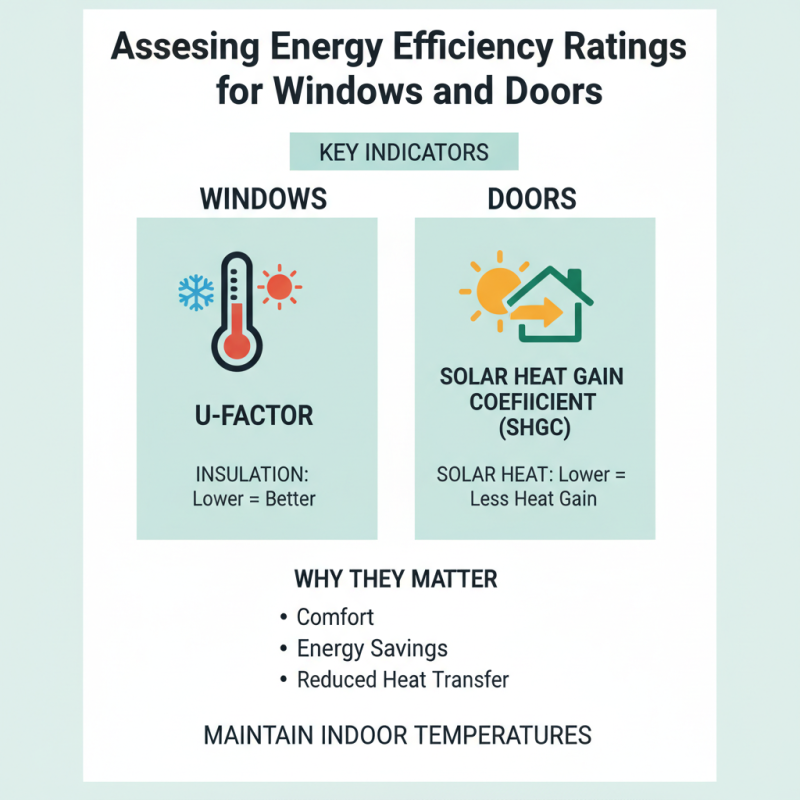
When choosing windows and doors for your home, energy efficiency ratings play a critical role. These ratings help assess how well a product prevents heat transfer. Key indicators include the U-factor and Solar Heat Gain Coefficient (SHGC). A lower U-factor means better insulation, while the SHGC measures how much solar heat enters. Both aspects are important for maintaining comfortable indoor temperatures.
Understanding these ratings can be complex. Not all windows have the same performance in different climates. In sunny areas, a lower SHGC may be beneficial. Conversely, in colder regions, maximizing solar heat gain is advantageous. Homeowners often overlook these specifics, leading to potential discomfort and increased energy costs.
Consider your personal needs and environment. What works for one home may not suit another. Take time to research and consult experts. Rely on reliable sources for unbiased information. Assessing these energy efficiency ratings is not just about saving money—it’s about creating a comfortable living space. You might find you need to reconsider your choices when more information becomes available.
Evaluating Security Features in Glass and Door Selections
When selecting glass and doors for your home, security should be a top priority. Assess the burglary resistance of various options. Look for materials that withstand impact. Tempered glass offers enhanced strength. Laminated glass provides additional security by holding shards together if broken. These features are worth considering.
The locking mechanisms also play a vital role. Multipoint locking systems can distribute force and make it harder for intruders to breach. Check if handles and locks are made from durable materials. Sometimes, homeowners overlook these details. A weak lock can undermine even the best glass.
Lastly, consider visibility features. Frosted or tinted glass may provide privacy but could reduce sightlines. Make sure to strike a balance between aesthetics and safety. Review the installation process too. Poor installation can compromise security, no matter how strong the glass or door. Always consult with experienced professionals for reliable advice. This thoughtful approach enhances your home's protection.
How to Choose the Best Windows Glass and Doors for Your Home? - Evaluating Security Features in Glass and Door Selections
| Feature |
Description |
Importance Level |
Cost Impact |
| Tempered Glass |
Heat-treated glass that is more resistant to impact and thermal stress. |
High |
Moderate |
| Laminated Glass |
Consists of two or more layers with interlayers for added safety and sound insulation. |
Very High |
High |
| Multi-Point Locking System |
Locks at multiple points along the frame for enhanced security. |
High |
Moderate |
| Reinforced Frames |
Frames made from stronger materials to resist forced entry. |
High |
Low |
| Security Screens |
Screens that provide an additional barrier against break-ins while allowing visibility. |
Medium |
Moderate |
Selecting Styles and Aesthetics That Complement Your Home
When selecting windows, styles and aesthetics play a significant role in enhancing your home's appeal. According to the American Institute of Architects, over 70% of homeowners prioritize window design during renovations. Choosing the right style can transform both interior and exterior spaces, creating a harmonious flow. Consider architectural elements in your home. Traditional homes may benefit from classic sash windows, while modern designs often favor sleek casement windows.
Tip: Assess the light flow in your rooms. North-facing windows bring in softer light, while south-facing ones provide bright, direct sunlight. This can affect not only aesthetics but also energy efficiency.
Color and materials are equally vital. Vinyl and fiberglass options are popular for durability and low maintenance. However, wood offers timeless elegance that can elevate aesthetics. A report from the National Association of Home Builders highlights that natural materials can increase property value by 10-15%.
Tip: Don't overlook hardware choices. They might seem minor, but the right handles and locks can enhance the overall look of your windows and doors. Choosing finishes that complement your home’s existing palette will make a significant impact. Remember, slight imperfections in style can actually add character to your home’s design. Always consider the overall aesthetic while picking elements that reflect your personality.
Determining Budget Considerations for Windows and Doors Purchase
When considering new windows and doors, budget plays a crucial role. According to the National Association of Home Builders, the average cost of window installation ranges from $300 to $1,000 per window, depending on material and style. This variance highlights the importance of setting a clear budget. A common mistake is underestimating costs related to materials or labor. Always include installation fees in your budget calculations.
Another factor to think about is the long-term investment. Energy-efficient windows may have higher upfront costs but can lead to significant savings. The U.S. Department of Energy reports that energy-efficient windows can save homeowners between $126 and $465 annually on energy bills. This data underscores the importance of evaluating your upfront budget against future savings.
However, many homeowners overlook additional expenses like maintenance and repairs. Windows and doors may require occasional maintenance, which can incur extra costs over time. Reflecting on these factors can provide a more accurate picture of the true expenses involved in upgrading your home’s windows and doors. Remember, a well-planned budget can enhance not just aesthetics but also energy efficiency and overall comfort.
Windows and Doors Budget Considerations
This bar chart represents the average costs associated with different types of windows and doors, helping you to determine budget considerations for your home renovations.