China has become a major sourcing hub for patio doors, offering aluminum, uPVC, wood, and thermally broken systems. Global buyers now expect more than attractive profiles. They need verified performance, stable production, and dependable export support.
The U.S. Department of Energy reports that windows and doors can account for around 25%–30% of residential heating and cooling energy use. That figure explains why glazing, frame insulation, weather seals, and installation quality deserve careful review. Grand View Research also identifies continued growth in the global windows and doors market, driven by renovation, energy efficiency, and new construction. Market growth alone proves little. Product testing matters.
Carl Elefante, FAIA, a respected building-industry expert, said, “The greenest building is the one already standing.” His point applies to patio doors during renovation projects. A well-designed replacement can improve daylight, ventilation, security, and thermal comfort without rebuilding an entire wall.
For international buyers, China’s best patio doors manufacturers should provide test reports, material specifications, sample approvals, and clear production records. Check air leakage, water resistance, wind-load ratings, U-values, solar heat gain, hardware durability, and glass certification. Ask how factory quality control handles corner joints and drainage holes. Small details often decide long-term performance.
This guide is not a factory audit. Catalog photographs can mislead. Supplier claims also require verification. Still, comparing manufacturers through documented evidence can reduce costly mistakes and reveal stronger partners for different climates, building codes, and project budgets. The right choice balances price, engineering, communication, and after-sales responsibility.
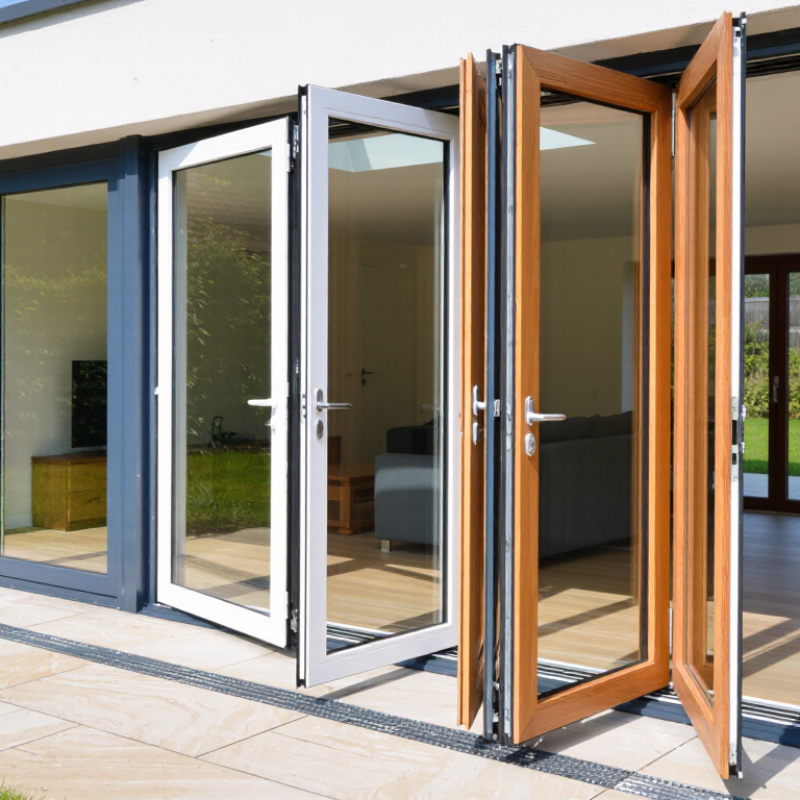
China’s patio door manufacturing sector combines large-scale fabrication with increasingly technical product development. The National Bureau of Statistics reported that China’s building construction output remained substantial in 2023, despite a 9.6% decline in real estate development investment. This pressure is changing factory priorities.
Manufacturers now focus on thermal breaks, multi-point locking systems, drainage channels, and low-emissivity glazing. These details matter in coastal homes, where salt air attacks hardware and driving rain tests every seal. The International Energy Agency states that buildings consume about 30% of global energy demand. Better door insulation therefore supports both comfort and operating-cost control.
Export buyers usually assess more than appearance. They review profile thickness, glass specifications, corner joints, test records, packaging, and replacement-part availability. Factory audits should include extrusion control, powder-coating thickness, water-tightness testing, and final dimensional checks. Some suppliers still present impressive samples but offer uneven batch consistency. That deserves attention.
Industry figures are not perfectly comparable. Market reports often combine windows, doors, and renovation products, which can overstate the patio-door segment. Grand View Research and other commercial studies still indicate steady growth in energy-efficient fenestration, driven by renovation and stricter building-performance expectations. Experienced buyers should request current production evidence, not rely on catalog claims. A well-made door should slide quietly, close evenly, and remain stable after repeated use. Small faults become expensive overseas.
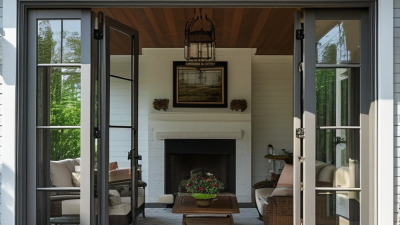
China Top Patio Doors Manufacturers for Global Buyers
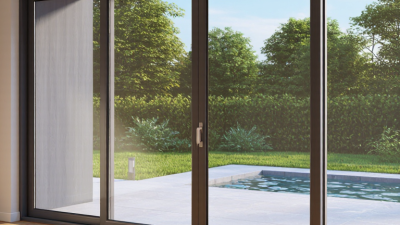
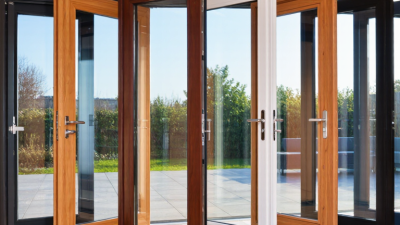
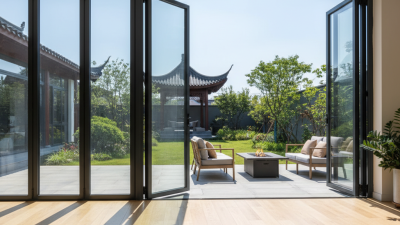
Chinese patio-door manufacturers commonly produce sliding, lift-and-slide, folding, French, and multi-panel systems. Sliding doors suit compact balconies. Lift-and-slide systems handle wider openings and heavier glass. Folding doors create broad, almost continuous openings. French doors remain practical for smaller terraces. Multi-track designs offer flexibility, but their hardware needs careful adjustment.
Materials shape performance. Thermal-break aluminum provides slim frames and strong weather resistance. uPVC offers insulation and lower maintenance. Timber-aluminum combines a warm interior surface with exterior protection. Fiberglass is less common, but it resists moisture and dimensional movement. IGU glass, Low-E coatings, laminated glass, and tempered glass are frequent options. The International Energy Agency reports that buildings consume about 30% of global final energy. Frame quality therefore matters, not only appearance.
In procurement practice, buyers should request air, water, structural, and thermal test results. Confirm U-values, glass thickness, hardware cycles, and drainage details. European, North American, and other regional standards may require different documents. A lower quotation can look attractive. It may hide thinner profiles, weaker rollers, or incomplete test evidence. I have found that installation tolerances deserve equal attention. Even a well-made door can leak when the sill is poorly leveled. Chinese factories often support custom colors, sizes, glazing, screens, and opening directions, though customization can increase lead time and inspection risk.
| Product Type | Common Frame Materials | Typical Glass Options | Typical Operating Features | Suitable Applications | Common Customization Choices |
|---|---|---|---|---|---|
| Sliding Patio Doors | Thermally broken aluminum, uPVC, wood, or aluminum-clad wood | Double or triple insulated glass; tempered, laminated, Low-E, or solar-control glass | Horizontal rollers, multi-point locks, lift-and-slide hardware, adjustable rollers | Residential terraces, balconies, gardens, villas, and apartments | Panel size, track configuration, screen doors, colors, handles, and lock cylinders |
| Lift-and-Slide Doors | Thermally broken aluminum or aluminum-clad wood | Large-format insulated glass, laminated safety glass, Low-E glass | Handle-operated lifting mechanism that reduces sash friction during movement | Luxury residences, high-end apartments, hospitality projects, and wide openings | Number of panels, opening direction, recessed tracks, flush thresholds, and hardware finish |
| Bifold Patio Doors | Aluminum, thermally broken aluminum, or aluminum-clad timber | Tempered or laminated insulated glass; Low-E and acoustic options | Folding panels connected by hinges and supported by top-hung or bottom-rolling systems | Indoor-outdoor dining areas, restaurants, sunrooms, and entertainment spaces | Panel count, folding arrangement, traffic door, threshold type, and powder-coat color |
| French Patio Doors | uPVC, aluminum, wood, or composite frames | Double-glazed safety glass, decorative glass, Low-E glass, or laminated glass | Pair of hinged leaves, multi-point locking, inward- or outward-opening configurations | Traditional homes, balconies, conservatories, and renovation projects | Glazing pattern, panel proportions, grille design, hinges, handles, and surface finish |
| Single Hinged Patio Doors | Aluminum, uPVC, fiberglass, steel, or wood | Tempered, laminated, obscure, decorative, or insulated glass | Side-hinged sash, adjustable hinges, weather seals, and multi-point locking options | Backyards, balconies, utility areas, side entrances, and compact openings | Left- or right-hand operation, transoms, sidelights, glazing layout, and door hardware |
| Multi-Panel Sliding Systems | High-strength thermally broken aluminum | Oversized insulated glass, laminated safety glass, Low-E, and solar-control glass | Two- to multi-track rollers, pocket openings, corner configurations, and concealed drainage | Hotels, modern villas, commercial terraces, and large architectural openings | Track quantity, pocket walls, corner posts, sash dimensions, automation, and drainage design |
| uPVC Patio Doors | Multi-chamber extruded uPVC, often reinforced with galvanized steel | Double or triple glazing; Low-E, argon-filled, tempered, or laminated glass | Insulated profiles, compression seals, multi-point locks, and low-maintenance operation | Residential developments, replacement projects, and cost-sensitive housing | Profile color, woodgrain foil, sash layout, glazing specification, screens, and hardware |
| Thermally Broken Aluminum Doors | Powder-coated or anodized aluminum with polyamide thermal barriers | Insulated Low-E glass, tempered glass, laminated glass, or acoustic glazing | Slim profiles, durable frames, weather seals, and multi-point locking systems | Contemporary homes, offices, hotels, coastal properties, and commercial buildings | RAL colors, anodized finishes, profile depth, hardware, screens, and custom dimensions |
| Wood and Aluminum-Clad Wood Doors | Engineered timber, solid wood components, and exterior aluminum cladding | Insulated glass with Low-E coating, laminated safety glass, or decorative glazing | Natural interior finish, weather-resistant exterior cladding, hinged or sliding operation | Premium residences, resorts, heritage-style projects, and architect-designed homes | Timber species, stains, paint colors, exterior cladding, glazing bars, and hardware finish |
Note: Product configurations, material combinations, dimensions, performance ratings, and available certifications vary by manufacturer, project specification, and destination-market requirements.
A reliable supplier should prove performance, not only display attractive finishes. During factory visits, inspect corner joints, roller tracks, drainage holes, and gasket compression. Ask for production photos, material certificates, and independent test reports. The U.S. Department of Energy reports that windows can cause 25–30% of household heating and cooling energy use. This makes glass specification important. Request documented U-factor, solar heat gain coefficient, air leakage, and water resistance results. NFRC rating methods can help buyers compare products more objectively.
Experience matters during sample testing. Open and close each door repeatedly, including with slight frame pressure. Check whether the rollers remain smooth and whether the lock engages fully. Review the supplier’s quality-control records, inspection frequency, packaging method, and replacement process. The 2023 International Energy Agency report states that buildings consume about 30% of global energy. Better thermal breaks and properly sealed frames support both comfort and efficiency. Still, a high rating on paper does not guarantee careful assembly.
Tips: Compare two complete samples, not one. Request a small pilot order before large production. Confirm aluminum thickness, glass composition, hardware grade, tolerances, and warranty exclusions in writing. Ask for current test dates and laboratory names. A polished showroom can hide inconsistent batches. I would not rely on price alone; low bids may omit installation accessories, protective packaging, or after-sales support. Suppliers should explain lead times honestly, including inspection delays and seasonal factory pressure.
For global buyers, patio door quality starts with measurable performance, not polished showroom photos. The U.S. Department of Energy reports that windows can cause 25–30% of residential heating and cooling energy loss. Therefore, buyers should request U-values, solar heat gain coefficients, air-leakage results, and water-resistance tests. These figures should come from accredited laboratories. A supplier’s internal test sheet is useful, but it is not enough.
The UNEP 2024 Global Status Report states that buildings consumed 32% of global energy in 2022 and produced 34% of global carbon emissions. Better insulated patio doors can support energy-conscious projects. Low-emissivity glass, thermal breaks, multi-point locks, and adjustable rollers deserve close review. Small details matter. Poor drainage can still cause failure. Quality should align with standards such as ISO 10077-1 and applicable regional fenestration requirements.
Customization must go beyond color selection. Export-ready manufacturers should manage opening sizes, glass specifications, hardware finishes, packaging, labeling, and replacement parts. Crating should protect corners and keep glass stable during long-distance transport. In practical supplier audits, sample approval often reveals gaps between drawings and production. That gap needs correction before mass manufacturing. Buyers should also verify container loading plans, lead times, inspection procedures, and document accuracy. No supplier is flawless. Transparent communication about limitations is more reliable than exaggerated claims.
Experienced Chinese patio door manufacturers usually work best from a precise door schedule. Specify opening sizes, frame materials, glass type, color, hardware, and thermal requirements. Include photos of the installation area when requesting a quotation. Small measurement errors can affect production and site fitting.
Ask for technical drawings, sample finishes, test reports, and a written production timeline. Factory drawings deserve careful checking. Do not approve them casually. A common buyer mistake is comparing only the unit price. Request a full cost breakdown covering packaging, tooling, inspection, inland transport, and export documentation. Payment terms should match production milestones. Keep a reasonable balance until quality checks are complete.
Shipping needs equal attention. Confirm carton strength, pallet dimensions, container loading plans, and the agreed delivery term. Ask whether the supplier has handled your destination port before. Ocean freight may look simple, but customs clearance and local delivery can create delays. Build buffer time into your renovation schedule. I would also arrange a pre-shipment inspection, especially for large glass panels and sliding hardware. One overlooked detail matters: confirm replacement procedures for damaged components. Manufacturers may offer competitive prices, but communication quality, response speed, and after-sales responsibility often determine the real buying experience.
These planning benchmarks show common time ranges for international buyers sourcing patio doors from China. Sample preparation typically takes 7–14 days, production 25–45 days, ocean transit 20–45 days, and customs plus final delivery 5–15 days. Actual timing depends on door specifications, order quantity, port congestion, destination country, and shipping terms.
Opening Hours
Monday: 8:00 AM – 4:00 PM
Tuesday: 8:00 AM – 4:00 PM
Wednesday: 8:00 AM – 4:00 PM
Thursday: 8:00 AM – 4:00 PM
Friday: 8:00 AM – 4:00 PM
Saturday: Closed
Sunday: Closed