Top 10 Energy Efficient Patio Doors for Global Buyers

Choosing the right patio door can reduce heat loss, improve comfort, and lower household energy demand. Yet product claims often sound better than real-world performance.

This guide introduces the top 10 energy efficient patio doors for global buyers. It compares insulation, glazing, frame materials, weather seals, opening systems, and installation requirements. Key details include U-value, solar heat gain, air leakage, and visible light transmission. These measurements help buyers compare products beyond attractive photographs. A triple-glazed door may perform well in a cold climate, while excessive solar gain can overheat a sunny room. Climate matters.

Installation is equally important. A carefully sealed door can prevent drafts around the frame, threshold, and locking points. Poor fitting can weaken an otherwise excellent design. Local building standards, regional energy labels, and available repair services should also influence the decision. Certification systems differ across countries, so buyers should verify testing information with manufacturers or qualified installers. Marketing language alone is not enough.

The ranking considers practical experience, technical performance, durability, and long-term value. It also recognizes that no single patio door suits every home. That assumption is too simple. A low-maintenance aluminum frame may suit humid coastal areas, while insulated vinyl or timber composites may perform better elsewhere. Real homes are rarely perfect. Existing walls, uneven floors, and limited budgets can change the final result. Careful measurements, independent specifications, and professional installation remain essential for making a dependable choice.
Top 10 Energy Efficient Patio Doors for Global Buyers

What Makes a Patio Door Energy Efficient?

An energy-efficient patio door begins with the glass, but glass is only half the story. Double or triple glazing creates insulating air spaces between panes. Low-emissivity coatings help reflect indoor heat during cold seasons. In warm climates, a suitable solar heat-gain coefficient can reduce unwanted afternoon heat. The right specification depends on local weather, window orientation, and room use.

The frame matters too. Thermally broken aluminum, insulated vinyl, or engineered wood can limit heat transfer. Quality weatherstripping reduces drafts around moving panels. Small gaps hurt. During site inspections, I have found that a well-rated door can perform poorly when the threshold is uneven. Careful installation, sealed joints, and a level track protect the door’s tested performance.

Buyers should compare U-factor, air leakage, visible transmittance, and solar heat gain values. Lower U-factor usually means better insulation, while lower air leakage often improves comfort. However, the lowest number is not always the best choice. A heavily tinted door may reduce heat but darken a bright living space. I once preferred maximum insulation and overlooked daylight; the room felt cooler, yet less welcoming. Regional building standards and certified test reports deserve equal attention.
How to Compare the Top 10 Energy Efficient Patio Doors

Comparing the top ten energy-efficient patio doors starts with your climate, not a glossy product ranking. In cold regions, prioritize a low U-factor, which indicates better resistance to heat loss. In hot, sunny regions, examine the solar heat gain coefficient, or SHGC. Lower SHGC can reduce unwanted indoor heat. Ask for tested figures, not broad claims. Independent laboratory reports and recognized standards make comparisons more reliable.

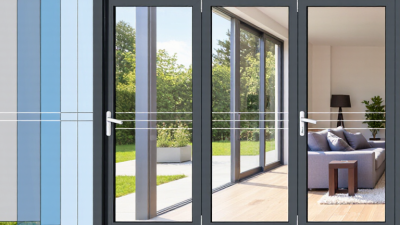
Inspect the glazing, frame, seals, and threshold together. Double glazing may suit mild weather, while triple glazing can improve comfort in colder homes. Low-emissivity coatings reflect heat, but their value depends on orientation and sunlight. A thermally broken frame reduces heat transfer.

Press the closed door gently; movement may reveal poor alignment. Check compression seals around every corner. Small leaks matter. Compare air-leakage ratings, condensation resistance, visible transmittance, and maintenance needs. A beautiful door with a weak sill can still create a cold floor.

Installation deserves equal weight in your comparison. Verify the opening size, drainage design, sill height, and wall compatibility before ordering. Request a written installation method and a warranty covering glass, hardware, seals, and labor.

Energy-saving estimates should state their assumptions, including room size, climate, and operating hours. Score each door in a simple table. Include thermal performance, durability, daylight, security, price, and repair access.

My comparison would not be perfectly objective. A quiet roller might matter more than a slightly better U-factor. Visit a showroom, because brochures rarely show stiff locks, fingerprints, or water pooling after rain.

Glass, Frames, Seals, and Thermal Performance

Energy-efficient patio doors depend on more than attractive glass. High-performing options usually combine double or triple glazing, low-emissivity coatings, and insulated frames. Low-E glass reduces radiant heat loss while admitting useful daylight. In cold climates, argon-filled units can improve insulation. In hot regions, solar-control glass may reduce indoor heat gain.

Frames deserve equal attention. Thermally broken aluminum limits conductive heat transfer through the metal. Fiberglass and reinforced vinyl frames can also provide stable insulation across changing temperatures. A narrow frame is not automatically efficient. Its internal chambers and edge design matter. Ask for the whole-door U-value, not only the glass rating. Lower values generally indicate better insulation. Solar heat gain and visible transmittance should match the local climate.

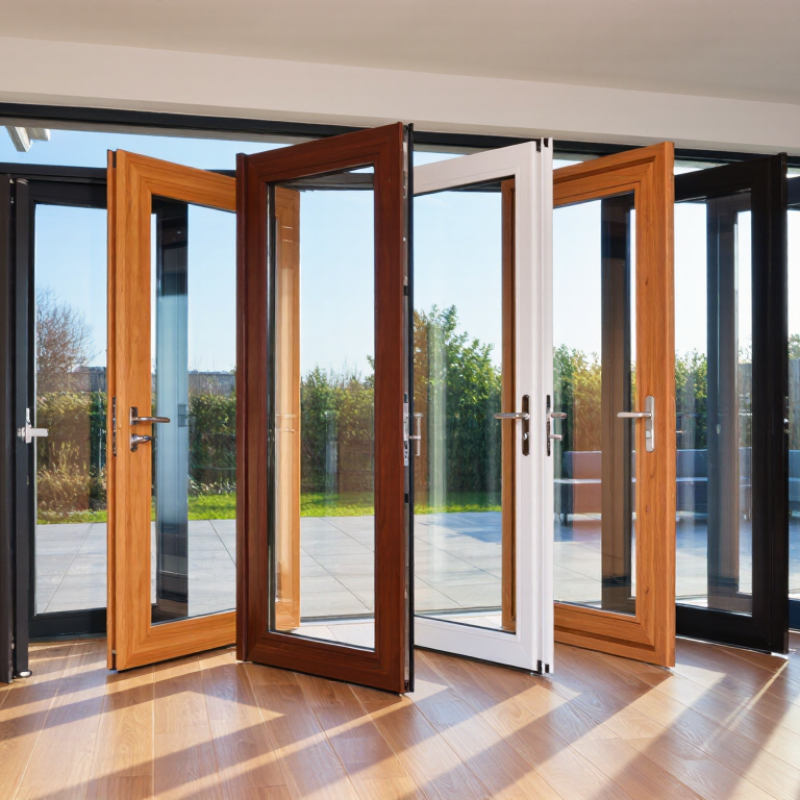
Seals often decide real-world performance. Multi-point locks can compress gaskets evenly around the panel. Flexible weatherstripping should remain resilient after repeated opening. During installation, expanding foam and a continuous sill pan help prevent hidden air leaks. I have inspected doors with excellent glass but poor perimeter sealing. They still felt cold beside the handle. That result is disappointing, but common. Sliding doors also need carefully adjusted rollers; excessive gaps invite drafts. Hinged, folding, lift-and-slide, and multi-panel systems can all perform well when their thresholds, seals, and frames are tested together. Independent air-leakage, water-resistance, and thermal reports offer stronger evidence than marketing claims. Check the installation details, too.осип

Choosing the Right Energy Efficient Patio Door for Your Climate

Choosing an energy-efficient patio door starts with your climate, not its appearance. In cold regions, prioritize a low U-factor and insulated frames to reduce indoor heat loss. Double glazing may work, but triple glazing can perform better in severe winter conditions. Check the air-leakage rating carefully. Small gaps can create a cold draft beside the sofa. In my installation experience, poor sealing often caused more discomfort than the glass itself. That lesson still matters.

For hot, sunny climates, choose glass with a lower solar heat gain coefficient. It can limit unwanted heat and reduce cooling demand. External shading also helps, especially on west-facing openings. Wet or coastal areas need durable hardware, effective drainage, and frames resistant to moisture damage. Strong wind regions require doors tested for local pressure conditions. Ask for certified laboratory reports, not only marketing claims. Product data should clearly show U-factor, solar gain, water resistance, and air leakage.

Global buyers should compare test results under the same regional standards. Energy labels can differ between countries. Installation quality deserves equal attention. A high-performing door can waste energy when the sill is uneven or the perimeter seal is incomplete. I once focused too heavily on glass performance and underestimated the wall connection. That was a costly oversight. Measure the opening carefully, inspect the threshold after heavy rain, and allow qualified local installers to adjust the door for seasonal movement.

Installation, Maintenance, and Long-Term Energy Savings

Top 10 Energy Efficient Patio Doors for Global Buyers

Choosing an energy-efficient patio door involves more than comparing glass labels. During installation, I check the wall opening, sill condition, drainage path, and frame alignment. A small gap beneath the threshold can create a cold draft and reduce comfort quickly. Low-emissivity glass, insulated frames, and warm-edge spacers usually improve thermal performance. However, the best specification cannot correct poor installation.

Installers should seal the frame with compatible insulation and weather-resistant flashing. Interior and exterior sealants must remain flexible as temperatures change. The door should slide or swing smoothly without forcing the hardware. I prefer testing it on a windy day, when weak seals become easier to notice. Some projects still need adjustment after installation. That is normal, not a failure.

Maintenance protects long-term savings. Clean the tracks every few months, then inspect rollers, locks, gaskets, and drainage holes. Never paint or block the drainage channels. Replace cracked weatherstripping before winter or the local cooling season. A clean threshold may save more energy than expected. Yet energy performance also depends on curtains, shading, room ventilation, and installation direction. A highly rated door facing intense afternoon sun can still overheat a room. Buyers should compare U-factor, solar heat gain, air leakage, local climate, and available repair support. Cheap installation often becomes expensive maintenance.

Top 10 Energy Efficient Patio Doors for Global Buyers - Installation, Maintenance, and Long-Term Energy Savings
Rank Energy-Efficient Patio Door Configuration Typical Glazing Typical Whole-Door U-Factor
(W/m²·K)
Typical SHGC Approx. Conductive Heat-Loss Reduction* Typical Installation Time Maintenance Frequency Typical Service Life Best Applications
1 Thermally broken fiberglass hinged door Triple-pane low-E, argon-filled 0.75–1.00 0.25–0.45 83–87% 4–8 hours Clean and inspect twice yearly 25–40 years Cold climates, high-wind regions, and entrances requiring excellent airtightness.
2 Insulated fiberglass sliding door Double-pane low-E, argon-filled 1.20–1.60 0.25–0.50 72–79% 4–8 hours Track cleaning every 3–6 months 25–35 years Family rooms, balconies, and locations needing low-maintenance operation.
3 Thermally improved aluminum folding door Double-pane low-E, warm-edge spacer 1.40–1.90 0.25–0.50 67–76% 1–2 days Clean tracks and lubricate annually 25–40 years Large openings, mild climates, and indoor-outdoor living areas.
4 Vinyl sliding patio door with reinforced frame Double-pane low-E, argon-filled 1.30–1.80 0.25–0.55 69–78% 4–8 hours Clean tracks every 3–6 months 20–35 years Budget-conscious projects, humid climates, and replacement installations.
5 Timber-aluminum composite hinged door Triple-pane low-E, gas-filled 0.80–1.10 0.25–0.45 81–86% 1–2 days Inspect finish and seals annually 30–50 years Cold or mixed climates where interior warmth and exterior weather protection are priorities.
6 Vinyl hinged patio door Double-pane low-E, argon-filled 1.20–1.60 0.25–0.50 72–79% 4–8 hours Check hinges and weather seals annually 20–30 years High-use entrances where airtightness and simple cleaning are important.
7 Thermally broken aluminum sliding door Double-pane low-E, warm-edge spacer 1.60–2.20 0.25–0.55 62–72% 1–2 days Clean tracks every 3–6 months 25–40 years Warm climates, coastal areas, and designs requiring narrow sightlines.
8 Composite lift-and-slide door Triple-pane low-E, gas-filled 0.90–1.30 0.25–0.45 78–84% 1–2 days Clean track and inspect rollers twice yearly 25–40 years Wide openings in cold or mixed climates where smooth operation and insulation are required.
9 Wood-clad sliding patio door Double-pane low-E, argon-filled 1.30–1.80 0.25–0.50 69–78% 1–2 days Refinish or reseal exterior as needed 25–40 years Dry or mixed climates where natural interior finishes are preferred.
10 Double-pane steel-reinforced patio door Double-pane low-E, gas-filled 1.70–2.30 0.25–0.55 60–71% 4–8 hours Inspect seals and finish annually 20–35 years Security-focused installations in moderate climates with limited frame exposure.

*Energy-saving basis: The approximate conductive heat-loss reduction is calculated against a representative single-glazed clear-glass patio door with a whole-door U-factor of approximately 5.8 W/m²·K, using the relationship 1 − (listed U-factor ÷ 5.8). Actual energy savings depend on climate, door size, orientation, shading, air leakage, heating and cooling equipment, and local energy prices.

Performance guidance: Lower U-factor generally improves insulation. SHGC should be selected according to climate and solar exposure: lower values can reduce unwanted solar heat gain in hot climates, while moderate or higher values may provide useful passive solar heat in cold climates.

Installation note: Time estimates assume a standard replacement opening, an adequately prepared structure, and qualified installers. Structural modifications, oversized door systems, unusual weatherproofing requirements, and international building-code compliance can extend installation time.