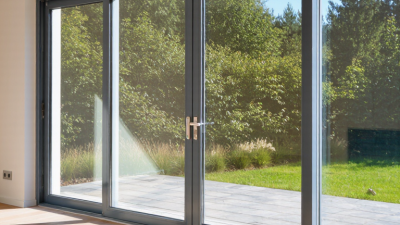
Buying residential doors may seem like a style choice, but everyday performance matters just as much. A door affects comfort, privacy, noise, security, and the welcome your home gives visitors. Architect Juhani Pallasmaa captured the human side of this detail: “The door handle is the handshake of the building.” That image is memorable. Yet a beautiful handle cannot fix a poorly fitted frame or a drafty threshold.
This guide offers ten practical tips for choosing a door that suits your home and routine. Consider the opening’s measurements, the door’s swing, and the space available for furniture or a nearby walkway. Compare materials for your climate, maintenance needs, and preferred appearance. Check weather seals, glazing, hardware, and the quality of installation. Small details count. A bright showroom can make every finish look convincing; daylight at home may tell a different story.
Think about how the door will feel after months of use, not only on delivery day. A heavy slab may offer a substantial feel, but it still needs suitable hinges and careful fitting. Energy performance depends on the whole installation, not one impressive label. It is easy to overlook upkeep when comparing prices, and buyers sometimes do. These tips can help you ask better questions, weigh trade-offs, and choose residential doors with fewer surprises. A perfect choice may not exist. A well-matched one often does.
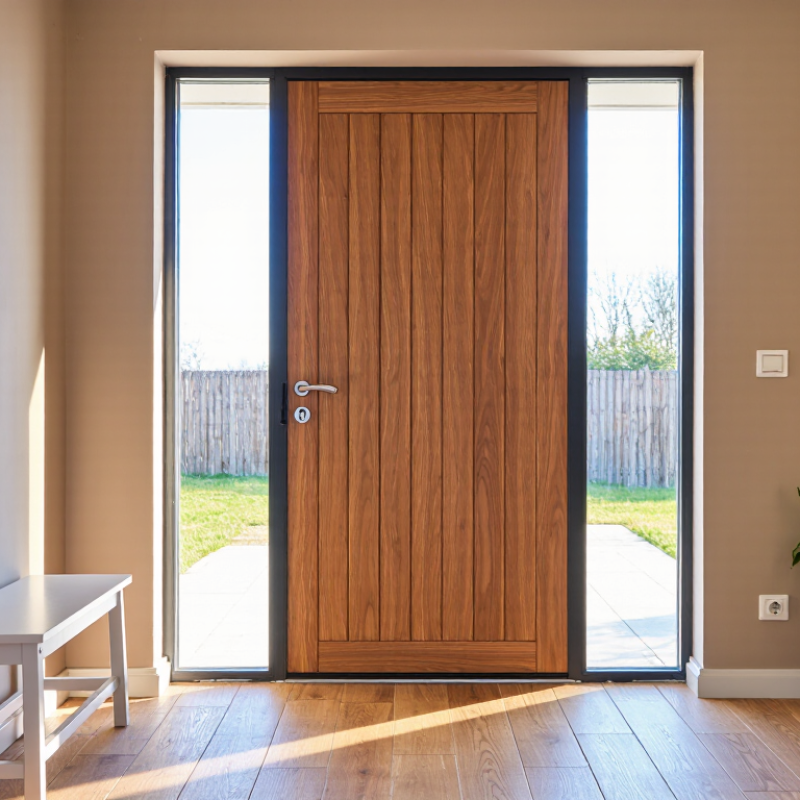
Before choosing a residential door, decide what it needs to do and where it will go. An entry door faces rain, temperature changes, and frequent use, so weather resistance and a secure, well-fitted frame matter. A bedroom door may need privacy and quieter operation instead. Bathroom doors should suit humid conditions, while closet doors must leave enough room for shelves and daily access. Measure the opening and check the swing direction before shopping. Small details can change the fit.
Tip: Write down the room, exposure, privacy needs, and available clearance. For a door between an attached garage and the home, check local requirements; specific construction or ratings may apply. This step is easy to skip. It can prevent an unsuitable purchase.
Think about how people actually move through the space. A door that opens into a narrow hallway may block a cabinet or catch on furniture. Sliding or folding styles can help where swing space is limited, but their tracks and hardware need room, too. For exterior locations, consider a covered porch, direct sun, and wind-driven rain. It is tempting to focus on color first; I would reconsider that order. A beautiful door still disappoints if it swells, leaks, or interrupts the room’s everyday use.
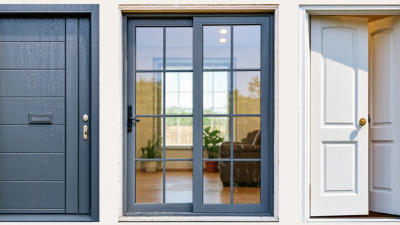
A residential door’s material affects weight, upkeep, insulation, and how it handles weather. Solid wood offers natural grain and can be trimmed or repaired, but changing humidity may cause swelling or gaps. Steel doors are usually sturdy and low-maintenance; check for a well-protected finish, since scratches can expose metal to rust. Fiberglass resists moisture and often needs less upkeep, though its surface and internal build vary.
Construction matters as much as the outer skin. A solid or insulated core can reduce heat transfer and soften hallway noise. Hollow-core doors are lighter and often suit interior rooms, but they usually feel less substantial and offer less sound control. Look closely at the frame, hinges, and edge seals. A heavy door fitted to a weak frame may still sag or leave uneven gaps.
I would not choose by material label alone. Ask what the core contains, how thick the door is, and whether the finish suits direct sun or damp conditions. Then inspect the corners and bottom edge; these spots reveal rough joints or thin coatings. Small details matter. I may be overcautious, but a door that closes cleanly in the showroom can behave differently after seasonal changes at home.
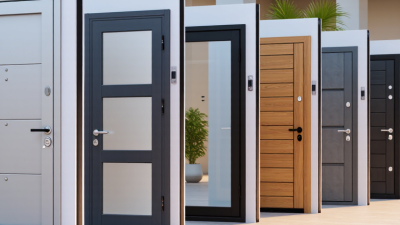
Choose a door style that belongs with the house, not just the latest photo you saved. Flat panels suit clean, restrained interiors, while raised panels can echo traditional trim. Match the door’s visual weight to nearby details, such as baseboards and window casings. A small glass panel can brighten a dim hallway, but consider sightlines and privacy before choosing clear glass. Check how the door will look from both sides. That detail is easy to miss.
Finish samples can be misleading. A pale stain may look warmer under evening lamps, while a painted surface can reveal scuffs near a busy entry. Bring samples home and view them in morning and evening light. Matte finishes often hide fingerprints better than glossy ones, though they may be harder to wipe clean. There is no perfect option. Hardware should suit the door’s weight and daily use: verify hinge capacity, handle comfort, and lock function with your installer. A lever can be easier to operate when carrying groceries. Keep the metal finishes related, rather than identical, if the room already mixes tones. Measure carefully; even attractive hardware feels wrong when it catches on a wall or trim.
Measure the opening before comparing residential doors. Check width at the top, middle, and bottom, then repeat for height. Walls and frames are not always perfectly square. Small gaps matter. Record the door thickness, swing direction, and floor clearance, too. For a replacement, measure the existing slab and frame separately; confusing the two can lead to an expensive mismatch.
Security depends on more than the door panel. Look for a sturdy frame, a quality deadbolt, and a reinforced strike area with long screws secured into the framing. Check hinge placement and whether the door closes firmly without being forced. A secure door should still open smoothly from inside. It is easy to focus on the lock and overlook a weak frame; I would check both, even if it takes another few minutes.
For energy performance, compare insulation details, glazing, and weather seals. A well-insulated core can help reduce heat transfer, while tight weatherstripping limits drafts around the edges. If the door has glass, consider how much of the surface is glazed and whether the glass is suited to your climate. Ask for documented performance ratings, and confirm they apply to the complete door assembly. Even a high-rated door may perform poorly if installed out of level. Check the threshold and seals after installation; a thin strip of daylight can reveal a real problem.
| Tip | What to Check | Practical Guidance |
|---|---|---|
| 1. Measure the existing opening | Door width, height, thickness, frame, and rough opening | Measure the door slab and frame separately. For a replacement, record the width and height at several points because openings may not be perfectly square. Confirm the required rough opening with the door manufacturer or installer. |
| 2. Confirm the swing and handing | Hinge side, direction of swing, and available clearance | Check whether the door should swing inward or outward and whether it must be left- or right-handed. Consider nearby walls, steps, furniture, and other doors before ordering. |
| 3. Choose a suitable material | Fiberglass, steel, or wood construction | Fiberglass and insulated steel doors are common choices for exterior entrances. Wood offers a natural appearance but generally needs more attention to finish and moisture protection. Compare the complete door system, not just the surface material. |
| 4. Compare energy-performance ratings | U-factor, air leakage information, and applicable energy labels | A lower U-factor indicates less heat transfer through the rated product. Compare ratings for similarly sized doors and check whether the rating covers the complete door assembly. ENERGY STAR criteria vary by product type and region, so verify current local requirements. |
| 5. Check the weather seals and threshold | Perimeter weatherstripping, bottom seal, and threshold fit | Look for continuous, replaceable weatherstripping and a threshold that can be adjusted or fitted to the floor. Proper installation and an even seal help limit drafts and water entry. |
| 6. Review the glass specifications | Glazing type, frame details, and safety-glazing requirements | For doors with glass, compare insulated-glass and low-emissivity options where appropriate. Safety-glazing rules can apply to glazing in or near doors; check local building codes and the product documentation. |
| 7. Assess the lock and hardware | Deadbolt, strike plate, hinges, and frame reinforcement | Choose compatible, quality hardware and ensure the strike plate is securely fastened to the framing as specified by the hardware manufacturer. A strong lock cannot compensate for a weak or poorly installed frame. |
| 8. Consider the door’s exposure | Rain, sun, temperature changes, and coastal conditions | Match the finish and construction to the site. A sheltered porch, direct sunlight, frequent rain, and salt air can create different maintenance needs. Follow the manufacturer’s guidance for exposure and finish care. |
| 9. Verify code and accessibility needs | Local building rules, egress, clear opening, and threshold height | Requirements depend on the door’s location and the home’s jurisdiction. Confirm any applicable fire, egress, accessibility, and safety rules before purchase, especially for garage-to-house or other rated openings. |
| 10. Compare the full installed cost | Door, frame, hardware, delivery, installation, and finishing | Ask whether the quote includes removal of the old unit, weatherproofing, trim, disposal, and any repairs to the opening. Check the warranty, installation instructions, and availability of replacement seals or hardware. |
A residential door is more than its purchase price. Measure the opening, including its depth, and note the swing direction before comparing options. Add hardware, trim, delivery, removal of the old door, and installation to your budget. These costs are easy to overlook. Leave room for surprises, such as an uneven frame or damaged threshold; estimates are not always exact.
Ask installers what their quote includes. Confirm who handles disposal, finishing, and adjustments after fitting. A proper installation should leave the door level, latch smoothly, and seal evenly against the frame. Don’t rush this step. A small gap at the bottom can invite drafts, while a tight fit may cause sticking as humidity changes. If the frame needs repair, clarify the added cost before work begins.
Plan for upkeep, too. Check hinges and screws occasionally, and clean tracks or seals where dust collects. Inspect painted or finished surfaces for peeling, especially near exposed edges. Gentle cleaning is usually enough; harsh products can dull some finishes. Follow the care instructions supplied with the door, since materials differ. One detail I might underestimate is seasonal movement. A door that closes perfectly in dry weather may need a minor adjustment later, so keep the installer’s contact information and warranty documents somewhere easy to find.
Opening Hours
Monday: 8:00 AM – 4:00 PM
Tuesday: 8:00 AM – 4:00 PM
Wednesday: 8:00 AM – 4:00 PM
Thursday: 8:00 AM – 4:00 PM
Friday: 8:00 AM – 4:00 PM
Saturday: Closed
Sunday: Closed